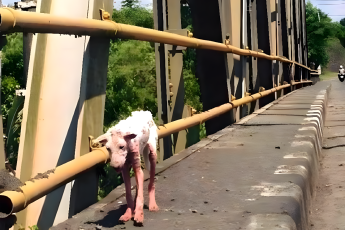
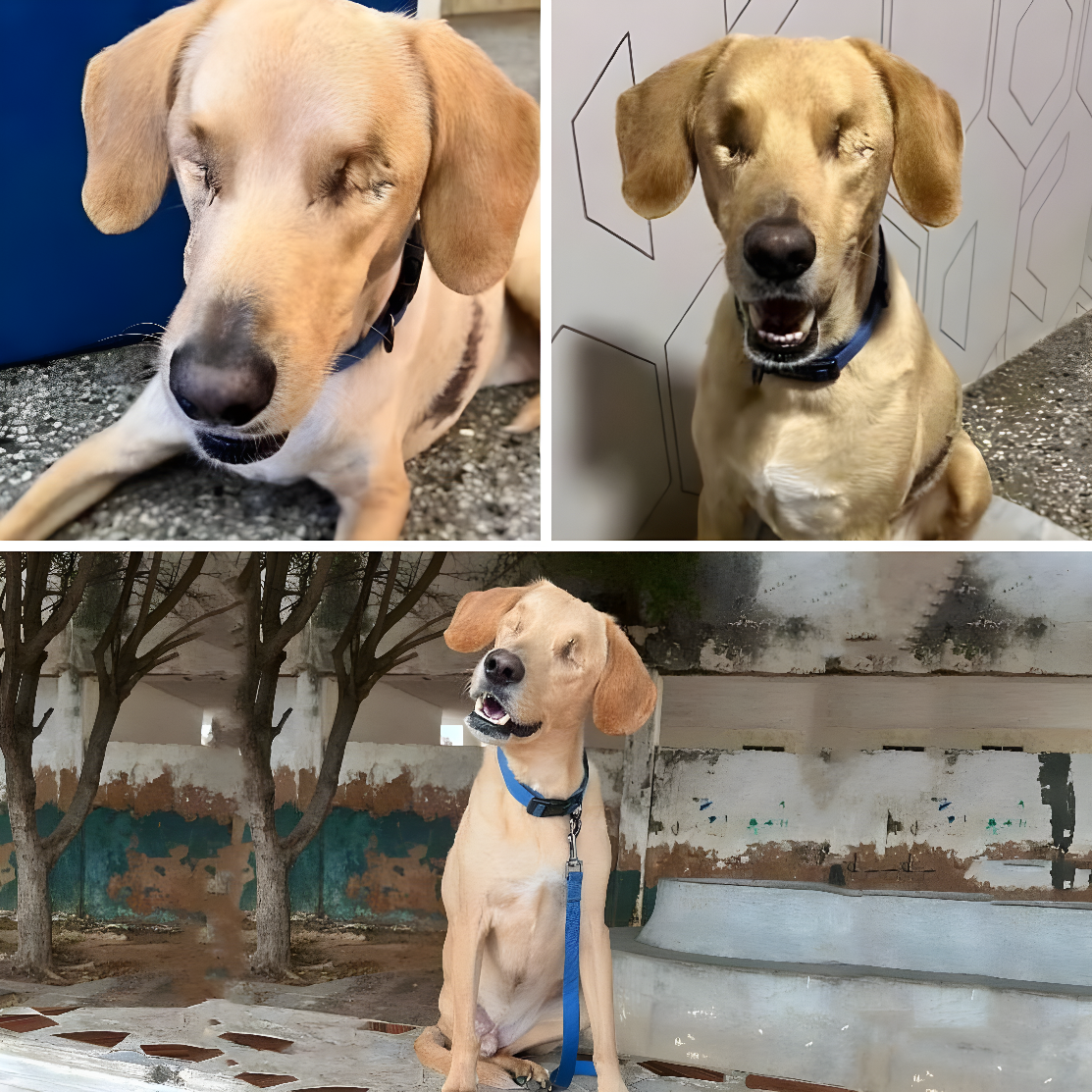
 On November 5, in Lara, Venezuela, an emaciated dog later named Benki was discovered abandoned and grievously harmed. Found blind and missing his right hind leg, his condition bore signs of systematic mistreatment — likely the aftermath of being discarded after serving as breeding stock in a puppy mill.
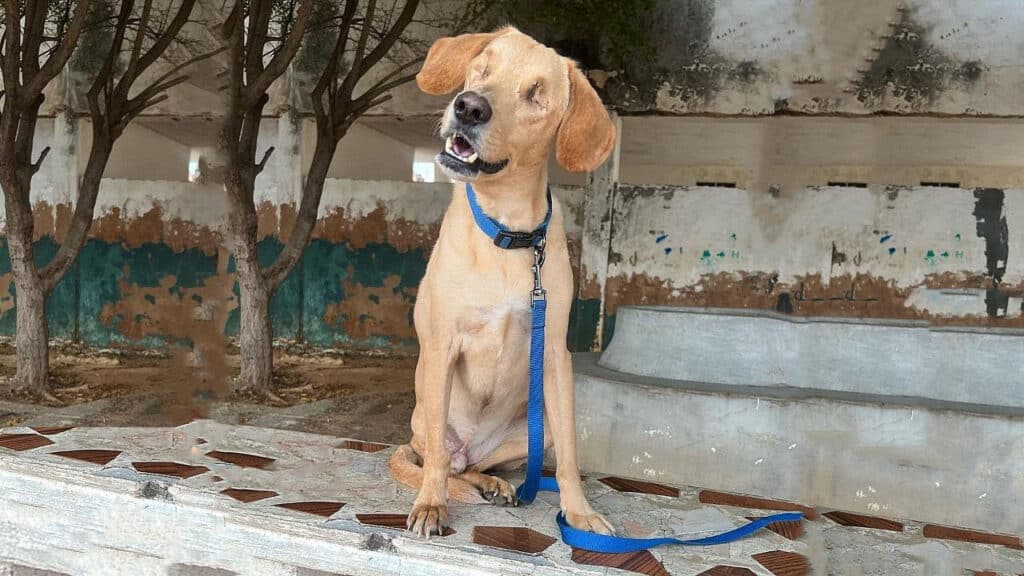
Benki’s injuries did not appear accidental. Observers concluded his blindness and amputation were inflicted intentionally, possibly to prevent him from returning to whoever had exploited him. Yet despite the physical brutality, initial X-rays offered a sliver of relief: no internal organ damage was detected.
“He arrived terrified and disoriented, vocalizing in panic — each cry a plea for safety and guidance.”
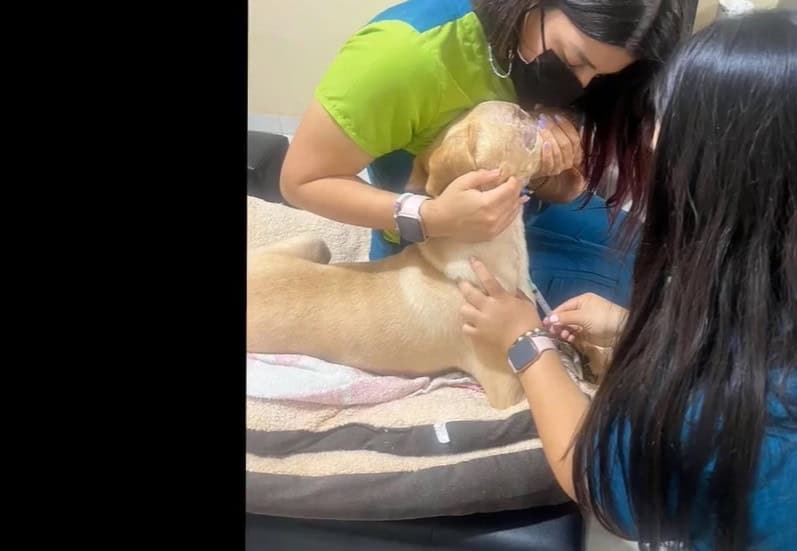
Emotionally, the toll was severe. Navigating a world without sight left Benki shaken and dependent on human reassurance. Rescuers spent long hours simply speaking to him, using steady voices to map the environment and teach him where to place trust. Progress was gradual but unmistakable.
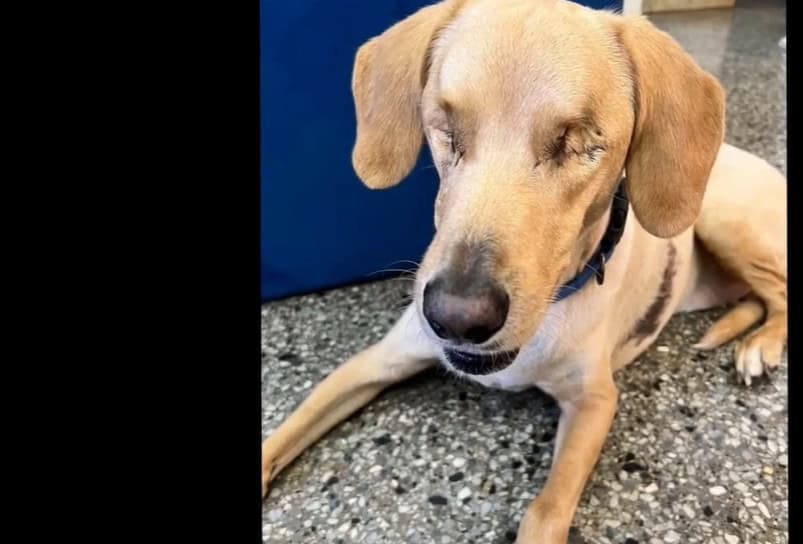
After about ten days of patient conditioning, Benki began to react predictably to vocal cues — a milestone that signaled a turning point. That responsiveness laid the groundwork for rebuilding confidence and adapting his behavior to a safer routine.
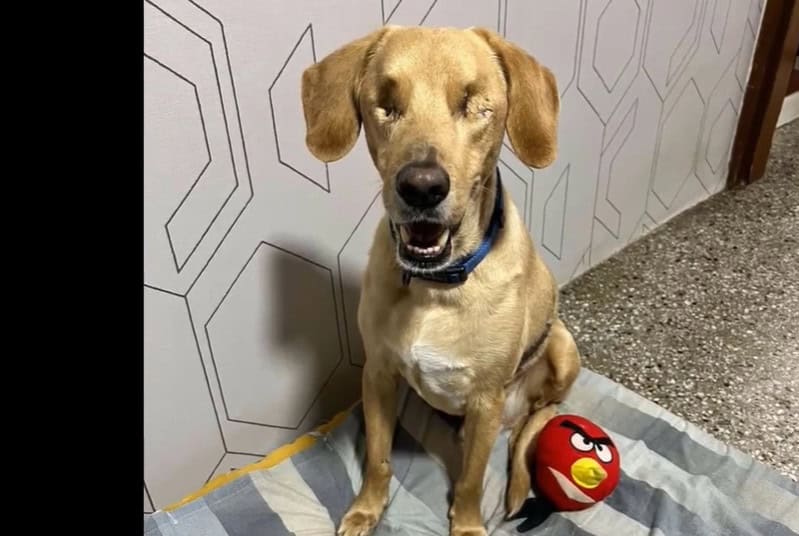
One of the first major triumphs was taking him out of the shelter for his initial walk. Cautious but curious, he explored at his own pace and showed increasing calm. To protect his eyes and boost his self-assurance, caretakers fitted him with protective goggles — a small aid that made a big psychological difference.
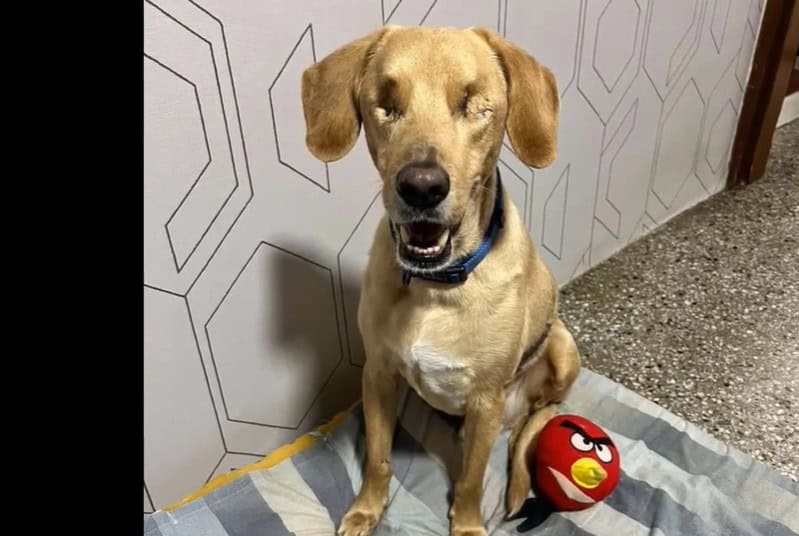
Life at the shelter included steady medical attention, affection, and tailored activities to keep him mobile. Although limited mobility had caused weight to creep up, staff devised gentle exercises — encouraging stair climbs and supervised exploration — to rebuild strength and maintain health.
- Thorough medical checks confirmed no internal trauma
- Targeted voice training enabled navigation without sight
- Protective gear and progressive exercise improved confidence
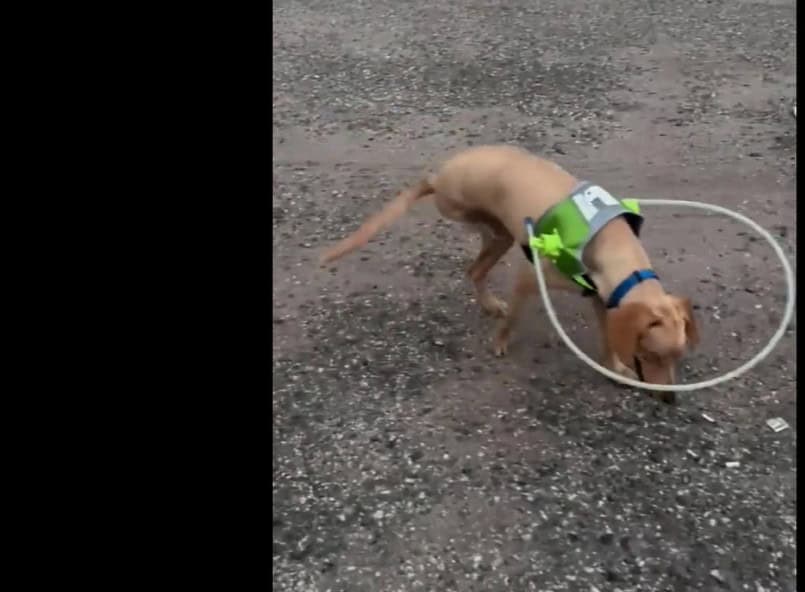
Each small victory — a steadier step, a calmer reaction, a wag of reassurance — revealed Benki’s remarkable resilience. What began as a shell of fear gradually gave way to warmth and companionship as he learned to trust human hands again.

Today Benki stands as a living testament to recovery: once abused and discarded, now affectionate and ready for adoption. He seeks a permanent home where patience, structure, and unconditional love will let him flourish.

Benki’s journey underscores two powerful truths: animals can heal from profound cruelty when given consistent care, and compassion has the capacity to reshape a desperate life into one filled with hope. If you feel moved by his story, consider supporting local rescues or offering a forever home to an animal in need.
Conclusion
Benki was found battered, blind, and without a hind leg — likely a casualty of commercial breeding abuse. Despite the trauma, careful veterinary evaluation revealed no internal injuries, and intensive, patient rehabilitation allowed him to relearn and adapt. Protective measures and structured activity improved both his physical condition and emotional well-being. Now recovered enough to trust again, Benki is ready to be adopted into a loving household that will honor his resilience. His recovery is a reminder that focused care and human kindness can restore dignity to those who have suffered most.
Watch the video below to see Benki’s transformation.