“I have learned to wait. If only someone would wait for me…” This poignant story centers on a dog named Gray, who spent years peering into the eyes of every passerby until one day, he finally found the person he had been waiting for his entire life.
Gray had been residing in a shelter for several years, but his name didn’t come from the color of his fur; rather, it reflected the dreary, cold, and rainy day when he was discovered. On that fateful November afternoon, he lay beneath the porch, pressed against the radiator, appearing as if he wished to merge into the cold twilight. He made no pleas, no whimpers, nor did he attempt to garner anyone’s attention – he simply existed like an unnoticed backdrop in the bustling world around him.
Passersby would brush past, turning their heads away. Gray was not a puppy, not fluffy, nor cheerful. He was an ordinary yard dog, weary, damp, and astonishingly silent.
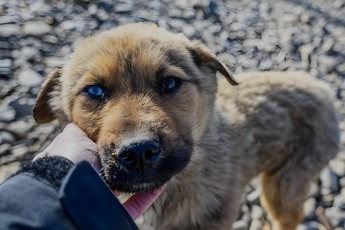
Only one volunteer paused, a young woman with tired eyes and a large tote bag. She said nothing as she sat beside him, gazing into his eyes, prompting him to lift his gaze. This interaction carried no demand; it was merely an exchange of understanding that seemed to whisper, “If you leave, I will understand. I am accustomed to this fate.”
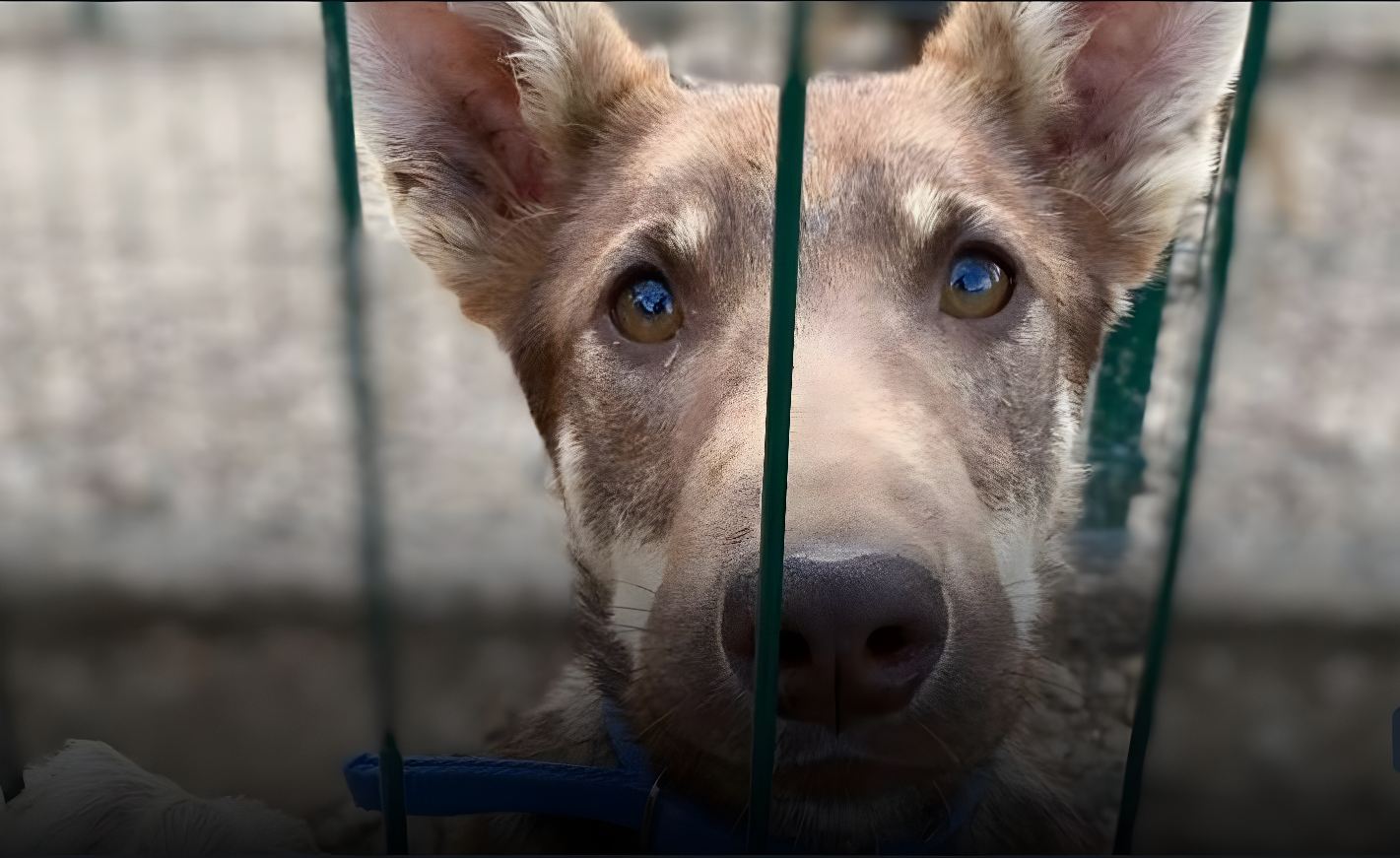
Gray was rescued, given the name Gray, treated, bathed, and though feeding him took time, he received the most essential care – healing from his fears. Yet, one thing remained unchanged: he still looked deeply into the eyes of every visitor who approached his cage, offering hope that never waned with the passage of time.
He did not leap at the bars, bark, or beseech attention. Instead, he would rise from his blanket, approach the bars, and gaze quietly and intently, as if he were searching for someone’s soul. Occasionally, a visitor would stop, sometimes even resting a hand on the bars. But Gray never allowed himself to rejoice prematurely; he simply observed, seemingly asking, “Is it you?”
People would depart, often selecting puppies or vibrant, fluffy dogs with wagging tails. Gray would return to his spot, waiting again.
Irina, a woman who had dedicated more time at the shelter than anyone else, frequently approached him and stroked his head, saying, “It’s as if you’ve taken an oath, Gray. To retain faith. To never lower your gaze. To never abandon your dreams.”
As years went by, Gray aged. Gray fur appeared on his muzzle, and his gaze took on a deeper, weightier quality, but within it still resided that nearly child-like faith. He waited. Day by day, week by week, month by month, he remained hopeful, yet no one arrived.
Then one day, a woman named Alla entered the shelter. At sixty-five years of age, her home had grown too quiet after her husband’s passing, and her children had long moved to another country. She hadn’t come specifically for a dog; rather, she was there just to… take a stroll, breathe fresh air, and distract herself from the emptiness of long evenings and mute walls.
As she approached Gray’s cage, he stood up, walked over, and looked at her. Suddenly, he took a careful step forward—slowly, hesitantly, but without fear. He reached out his nose and gently nudged her hand, not pleadingly or pitifully but tenderly. It was as if he was saying, “I’ve been waiting for you. I knew you would come.”
In that moment, Alla began to cry. Initially silently, her eyes lowered, then she covered her face with her palm and turned away as if ashamed of her tears. Then, crouching beside him, she gently ran her fingers through his fur.
“Oh, God… how beautiful you are… how familiar…” she whispered.
An hour later, Gray left the shelter, bound for his new home.
Six months have now passed. He now resides in a house that smells of cinnamon rolls, where evenings are spent reading aloud, and on the porch stand two chairs – one for Alla and one for him. They do not make noise or play; they simply coexist in peace. He breathes beside her, lies at her feet, gazes into her eyes, and rests his head on her lap.
“It’s as if he can feel me,” she says. “He doesn’t intrude or impose, but the moment I am upset, he is right there. He looks at me just as he did back at the shelter. It’s as if he says: ‘I’m here, and I’m not going anywhere.’”
Gray has no demands. He is simply present. Because he waited.
He knew that one day, she would come.
He believed.
And that is the most important thing.