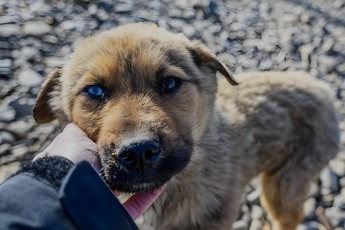
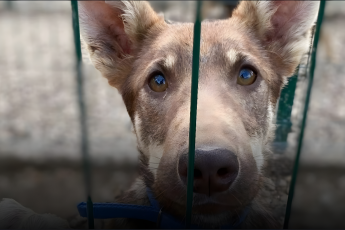
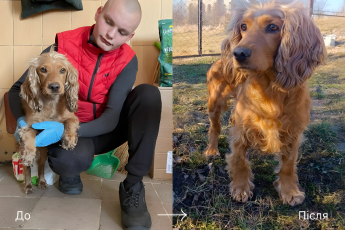
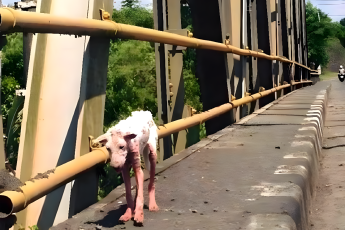
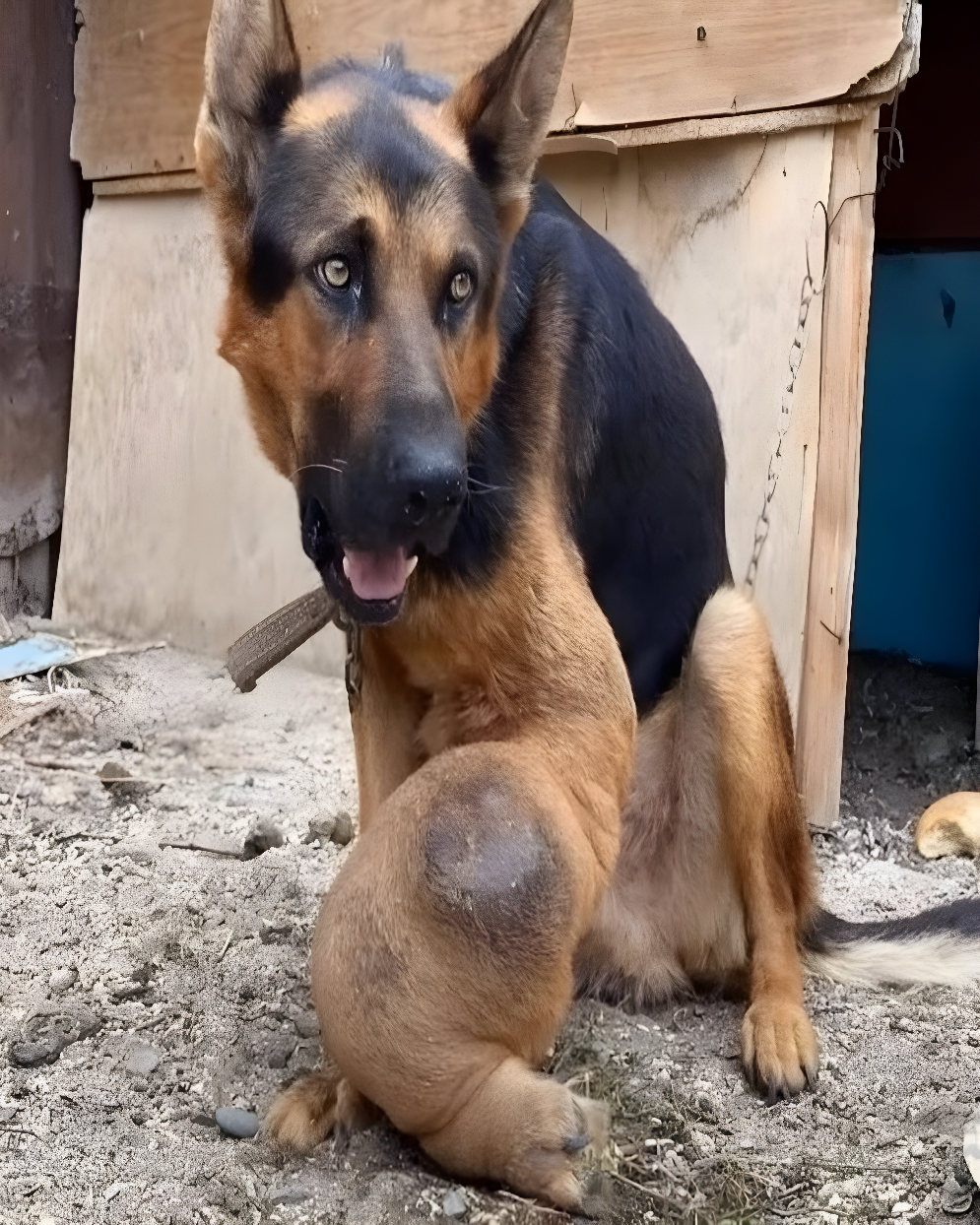
 On September 22, GWARP answered a distressing tip: an aged dog was tethered on a short chain, living without food or clean water while visibly ill. Veteran rescuers described the scene as one of the most extreme cases of neglect they had encountered, and the animal’s condition demanded immediate intervention.
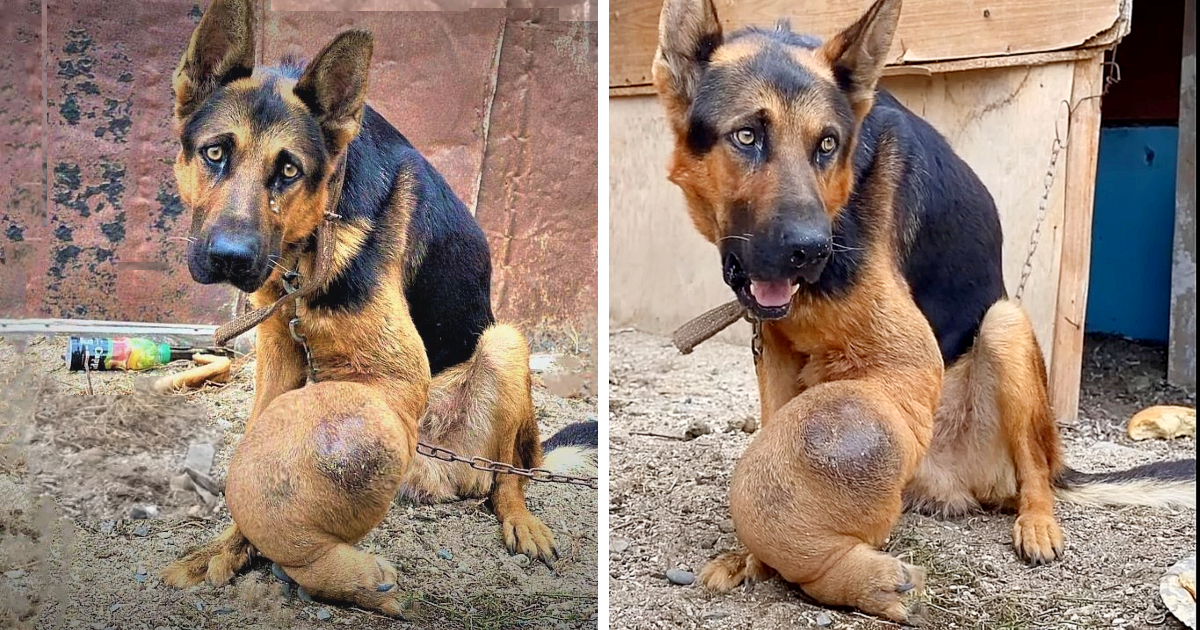
The animal presented signs consistent with osteosarcoma, a destructive bone tumor. Years confined to a tiny metal chain, forced to scavenge refuse for sustenance, and deprived of vitamins had left the dog severely undernourished and susceptible to infection. Local veterinarians explained that the tumor likely developed from chronic trauma and untreated injury that ultimately became malignant.
Key findings from the initial assessment:
- Severe, mobility-limiting tumor diagnosed as osteosarcoma.
- History of prolonged tethering and physical abuse reported by a witness.
- Advanced malnutrition and poor coat/skin condition consistent with neglect.
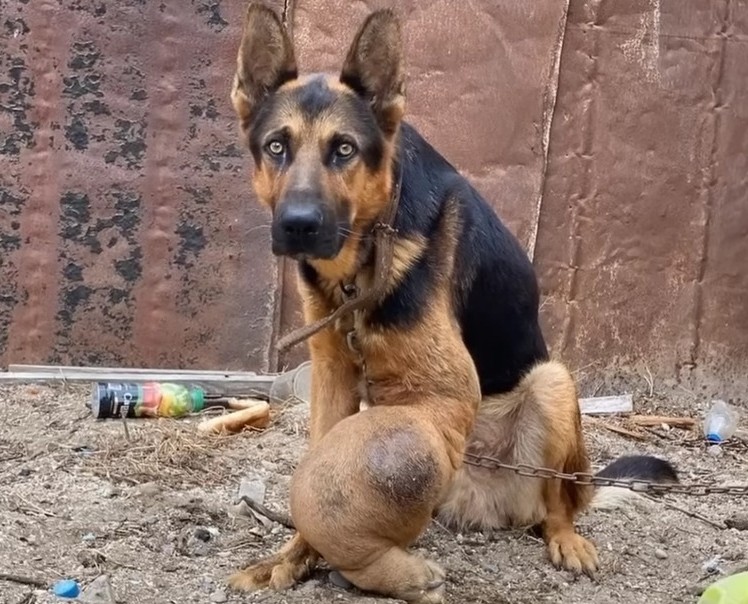
When rescuers asked to remove the animal, the owner initially refused, insisting the dog was his property. Only after police were contacted and correct legal paperwork was presented did he relent.
Despite the owner’s resistance, GWARP obtained authorization to transfer the dog for urgent care. The team bathed the dog to remove grime and to provide immediate comfort after years of filth. Medical imaging confirmed a large osteosarcoma in a limb, but importantly, chest X-rays showed no obvious metastatic lesions in the lungs—offering a limited but meaningful window of hope.
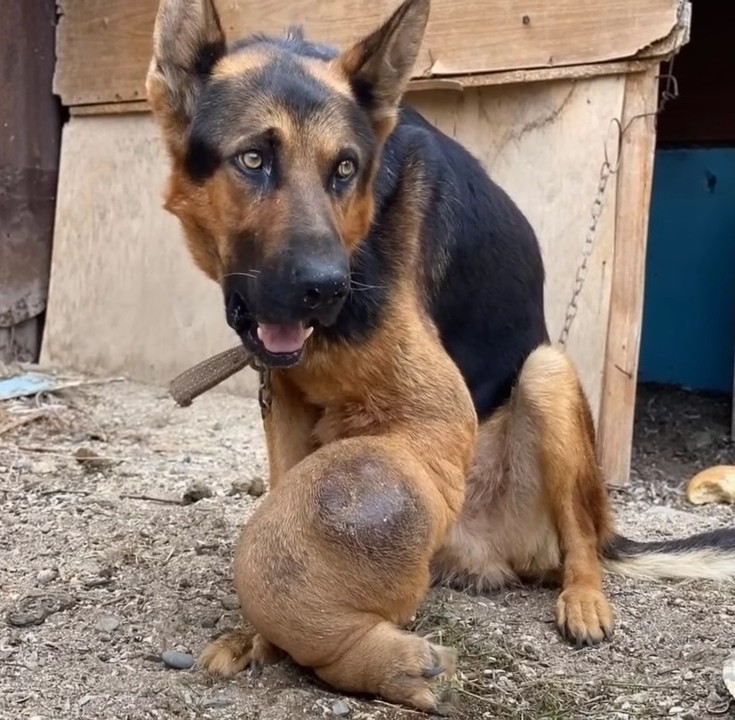
The clinical plan included stabilization, bloodwork, histological sampling, and ultimately an amputation of the affected limb if the tumor was confined. Because local options were limited, the dog required transfer abroad for definitive surgery. GWARP prepared the animal for travel and arranged for rapid transport to a specialist clinic in Turkey.
Immediate interventions performed:
- Thorough cleansing and wound care to reduce infection risk.
- Full blood panels and radiographs to stage disease.
- Coordination of international transfer for surgical oncology.
Upon arrival in Istanbul the dog—named Jordan by his rescuers—was gently sedated for a full set of pre-operative images and assessments. Surgeons proceeded with an amputation of the tumor-bearing limb. The operation was successful and removed the source of pain and the bulk of the disease.
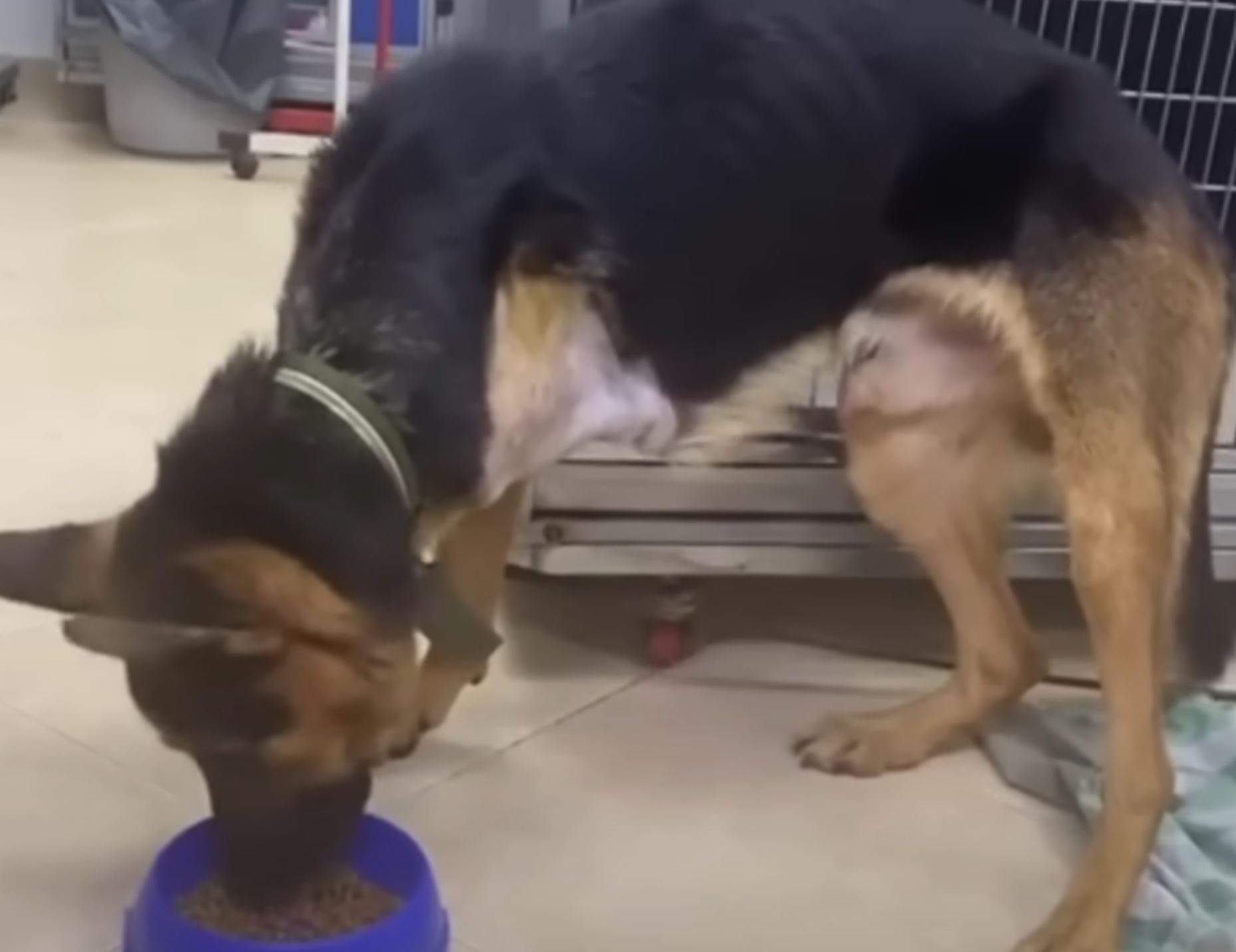
Three days after the surgery Jordan demonstrated remarkable resilience. He adapted quickly to life as a tripod, regained interest in food, and began responding positively to human attention and rehabilitation efforts.
What this rescue achieved:
- Pain relief through surgical excision of the tumor-bearing limb.
- Removal from a lifelong environment of neglect and abuse.
- Access to ongoing oncology follow-up and rehabilitation abroad.
Jordan’s journey from chronic mistreatment to post-operative recovery underlines how timely intervention, legal advocacy, and coordinated veterinary care can change the trajectory of an animal’s life—even in severe cases.
Conclusion
In summary, GWARP’s rapid response rescued an elderly dog suffering from osteosarcoma and long-term neglect. Legal hurdles were overcome, the dog was stabilized, transported for specialist care, and successfully underwent amputation. Early imaging showing no lung metastasis gave the medical team a chance to restore comfort and extend quality of life. Jordan’s recovery is ongoing, and his progress illustrates the impact of coordinated rescue efforts and expert veterinary treatment.
Please continue to send well-wishes for Jordan’s recovery and future wellbeing.