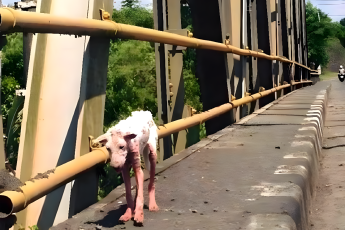
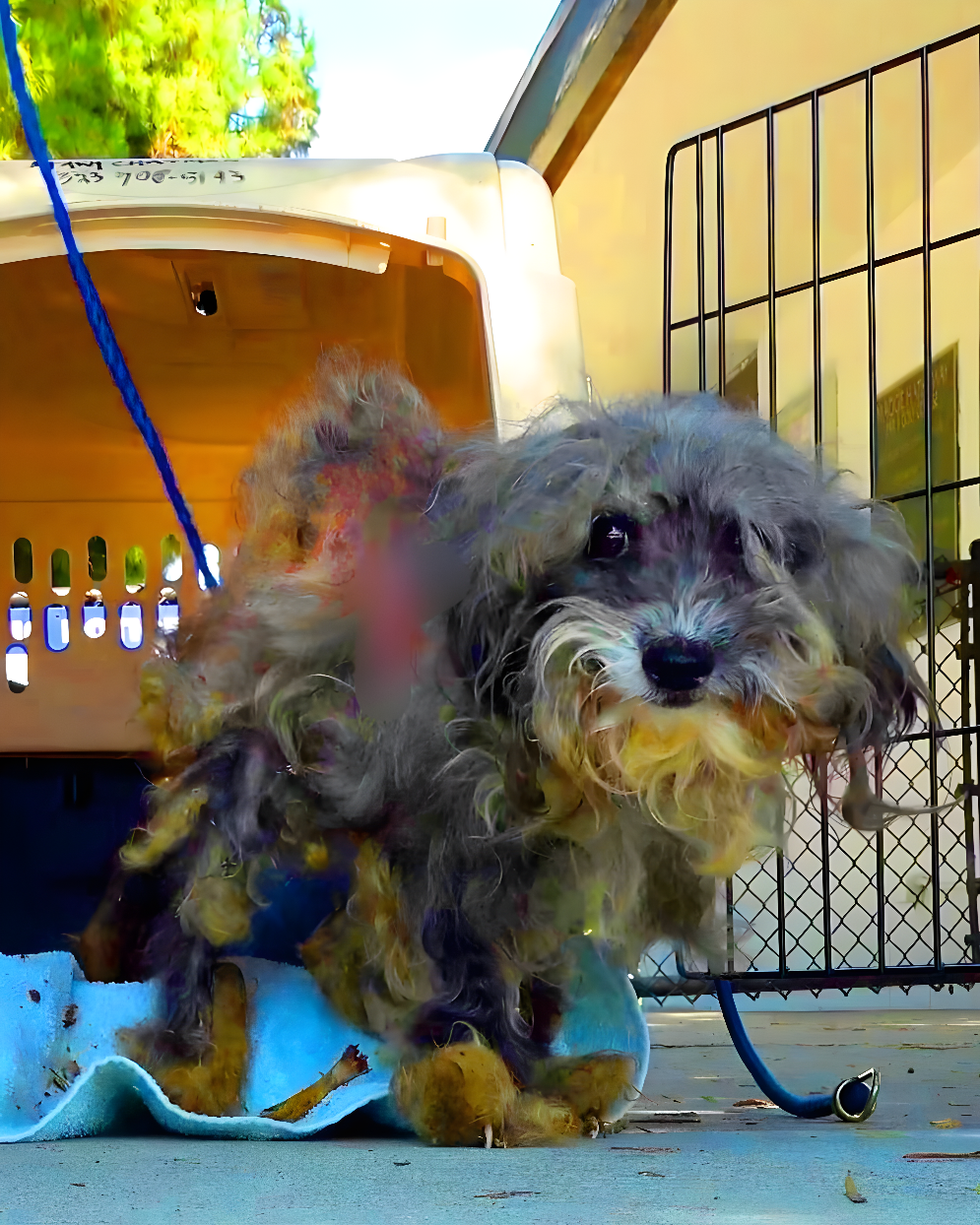
 When volunteers first found Maggie Mae, the scene was devastating: her coat had become a mass of hardened tangles and filth, the skin beneath raw with open sores. Her condition was so dire that even local coyotes steered clear of her, sensing she presented no viable prey. This account documents how a specialist rescue team intervened, the steps taken to revive her, and the foster care that set her on the path toward adoption.
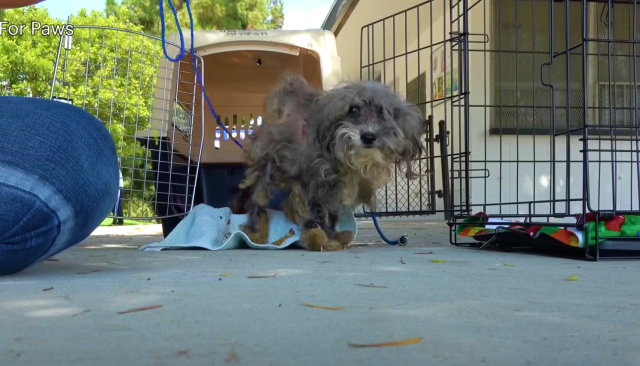
The rescue operation was led by Eldad and his crew from Hope For Paws, an organization known for handling extreme animal neglect cases. Using patience and carefully planned maneuvers, they were able to coax Maggie Mae into a secure transport. Beneath the matted fur lay years of neglect: infected skin, emaciation, and a body that had endured long-term pain. The rescue team recognized that saving her life would require sustained, multidisciplinary care.
- Initial extraction: gentle handling to gain trust and avoid further injury
- Detangling and grooming: slow, careful removal of mats that were pulling at her skin
- Veterinary assessment: wound cleaning, medication, and stabilization
Extended grooming sessions were the first step in undoing the damage. Those mats had effectively encased Maggie Mae, constricting tissue and causing constant irritation. Once the fur obstruction was removed, responders could finally evaluate the extent of her wounds and address underlying infections. Veterinary professionals treated her lesions, provided pain relief, and began a tailored recovery plan to rebuild her physical health.
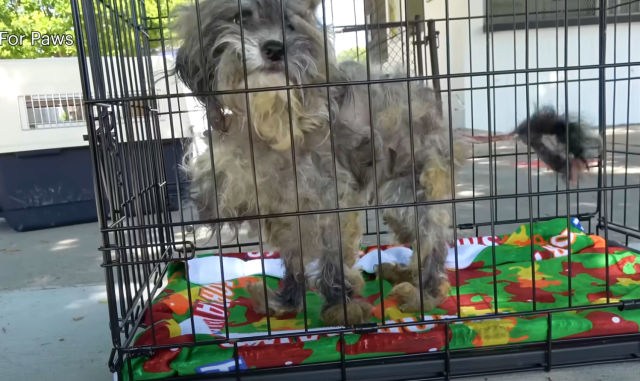
Recovery required more than medical interventions. A successful rehabilitation demanded a stable environment where trust could be slowly re-established. The nonprofit I Stand With My Pack partnered with Hope For Paws to foster Maggie Mae through those vulnerable weeks. In foster care she experienced consistent nutrition, soft bedding, soothing routines, and human companionship—elements essential to reversing the psychological effects of prolonged neglect.
“Rescue is not a single event but a continuum: extraction, medical care, rehabilitation, and social reintegration.”
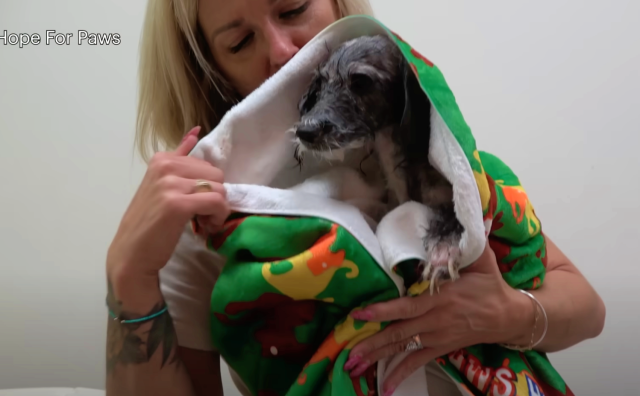
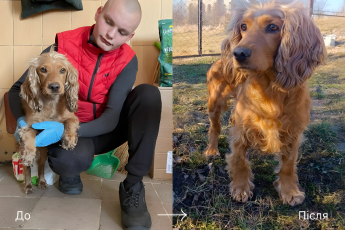
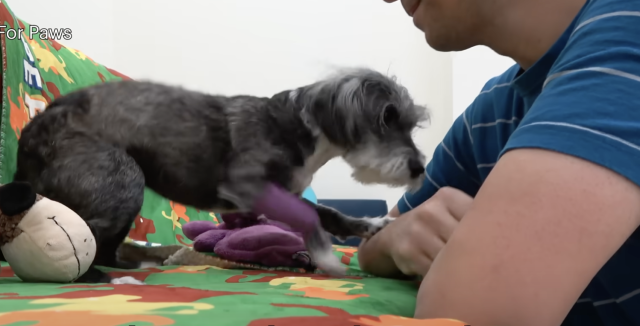
Over the ensuing weeks, Maggie Mae’s transformation became striking. Her coat regained cleanliness and softness, the wounds began to close, and her eyes reclaimed a lively expression. Photographs captured a dog who no longer resembled the injured stray found at the roadside; instead, they showed a resilient companion rediscovering comfort and curiosity.
Key takeaways:
- Severe neglect can lead to physical and behavioral deterioration that requires coordinated, long-term care.
- Specialized rescue teams and committed foster networks are critical to rebuilding health and trust.
- With appropriate intervention, animals like Maggie Mae can make a full recovery and become adoptable.
Hope For Paws has shared Maggie Mae’s journey as an example of what dedicated rescue work can achieve. Her story emphasizes the importance of early intervention, veterinary follow-up, and compassionate fostering. Now healthy and confident, Maggie Mae is ready to join a permanent family—proof that attentive human care can reverse even the most extreme neglect.
Conclusion
Maggie Mae’s recovery illustrates how persistent neglect does not have to dictate an animal’s fate. Through the combined efforts of rescue specialists, veterinary teams, and a nurturing foster group, she moved from a state of life-threatening neglect to one of restored health and hope. Her case is a reminder that coordinated rescue, medical treatment, and patient socialization can transform a suffering animal into a loving companion prepared for adoption.