 For more than a decade Little Belle endured confinement inside a commercial breeding facility, denied sunlight and normal canine freedoms — a long stretch that deeply compromised her health.
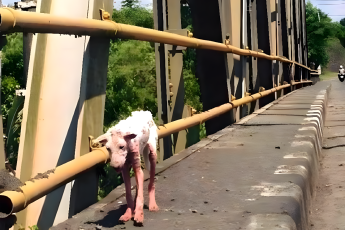
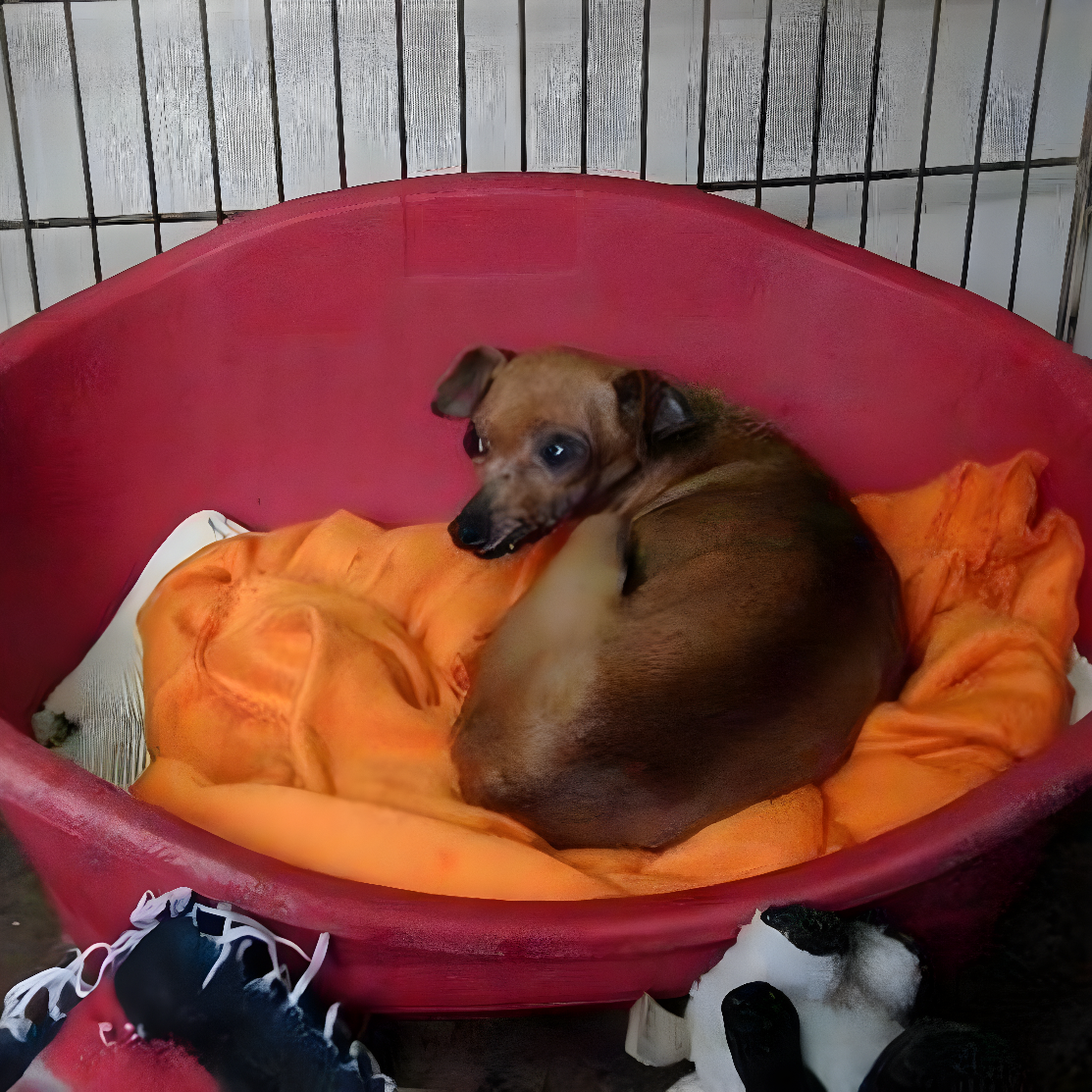
Years of forced pregnancies and cramped conditions left Belle frail and emaciated when rescuers finally removed her from that life. Her body reflected the cumulative cost of relentless reproduction: wasted muscle, damaged paws, and impaired senses.
“Rescue revealed how thin her defenses had become — physically and emotionally.”
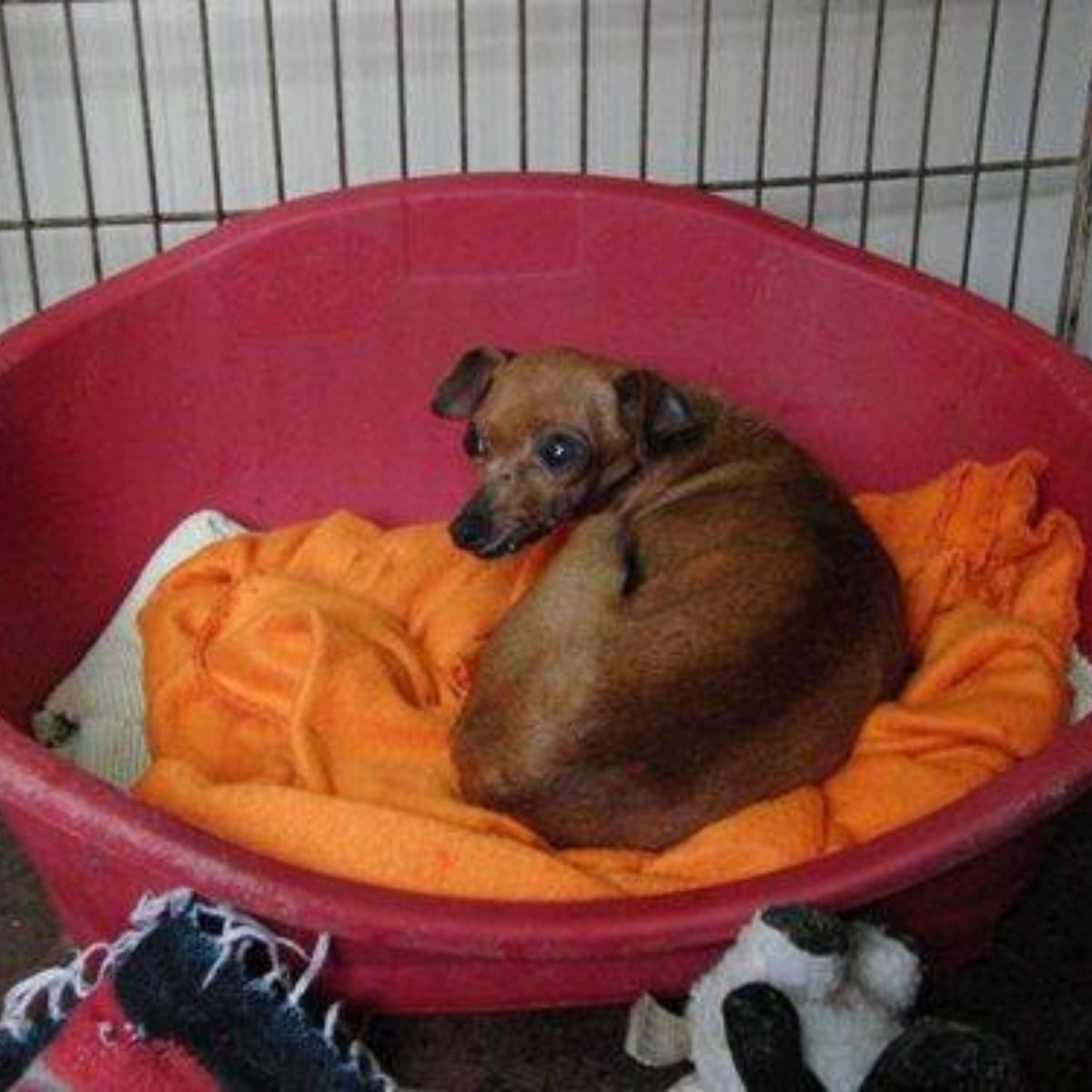
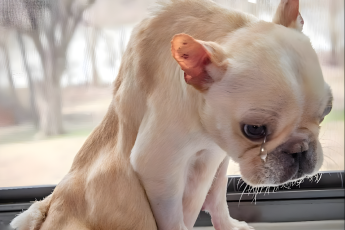
Veterinary evaluation uncovered a serious parasitic infection: leishmaniasis, caused by a protozoan transmitted by tiny sand flies. On top of that diagnosis, she suffered from glaucoma in one eye, painful ingrown nails, and severe muscle wasting. Mobility was precarious; Belle could barely support herself.
Key medical findings:
- Leishmaniasis (parasitic infection)
- Glaucoma in the left eye
- Multiple ingrown nails and muscle atrophy
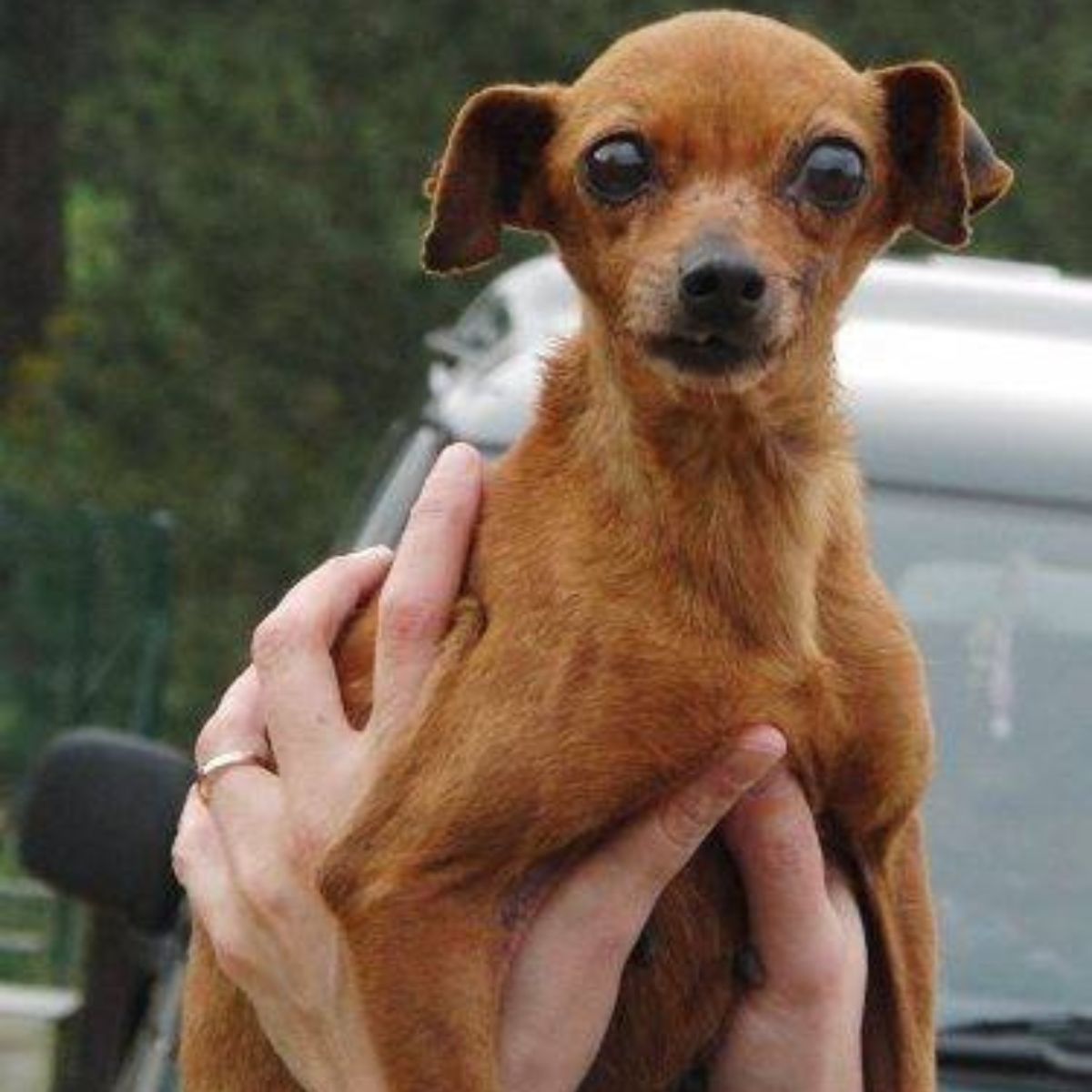
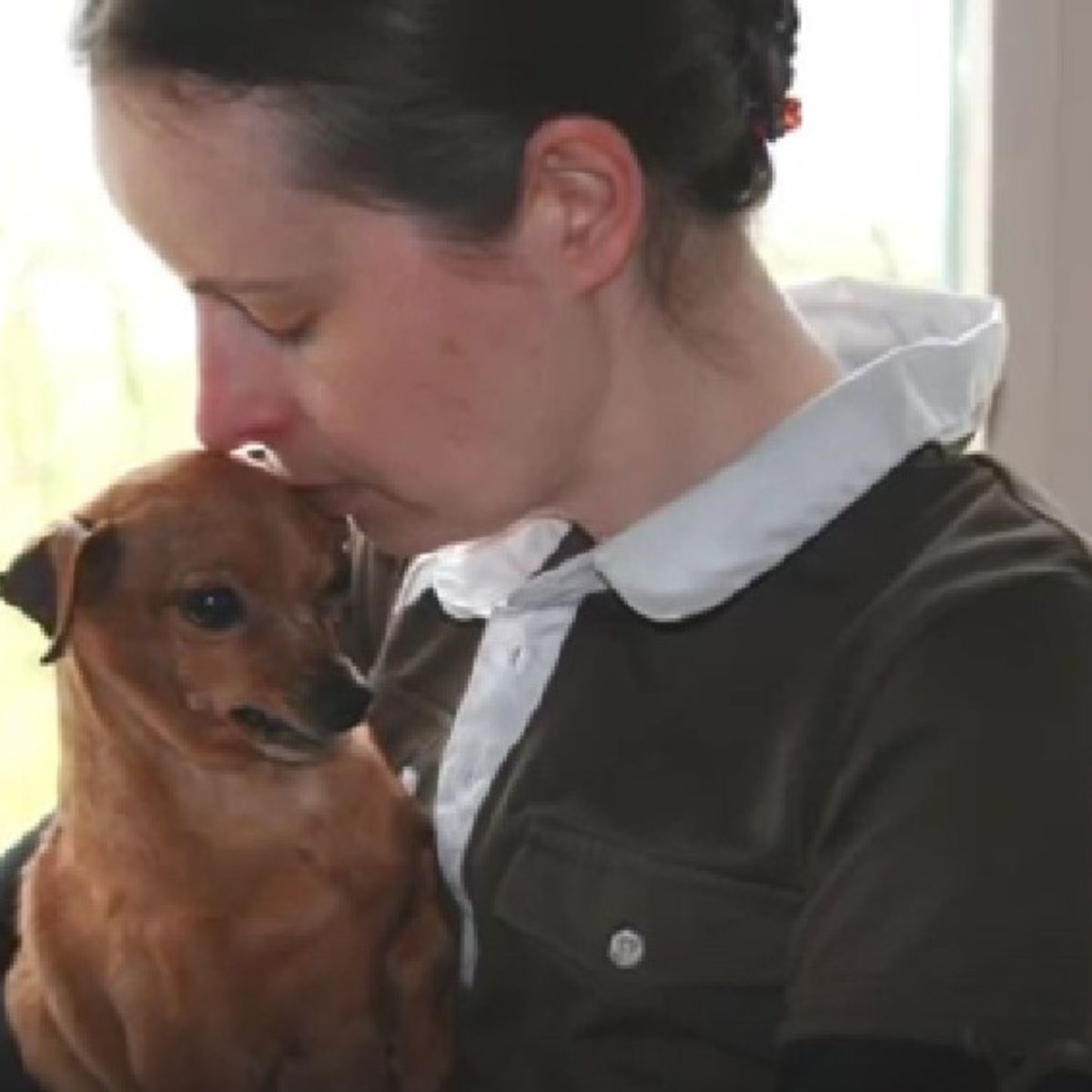
Her caretakers launched an intensive treatment plan: medication for the parasite, wound care, and a tailored rehabilitation program to rebuild strength. After stabilization, a devoted adopter named Irene opened her home and heart to Belle, committing to long-term care and gentle socialization.
Healing was slow at first. The anti-leishmanial regimen left Belle drowsy and withdrawn, and unfamiliar surroundings made her anxious. But Irene’s patience and consistency gradually replaced fear with trust.
Complications arose: severe dental disease required surgery. Shortly after the dental procedure Belle suffered a cardiac arrest but was successfully resuscitated — a terrifying moment that nearly extinguished hope. Within days, escalating pressure in the already fragile left eye necessitated enucleation (surgical removal).
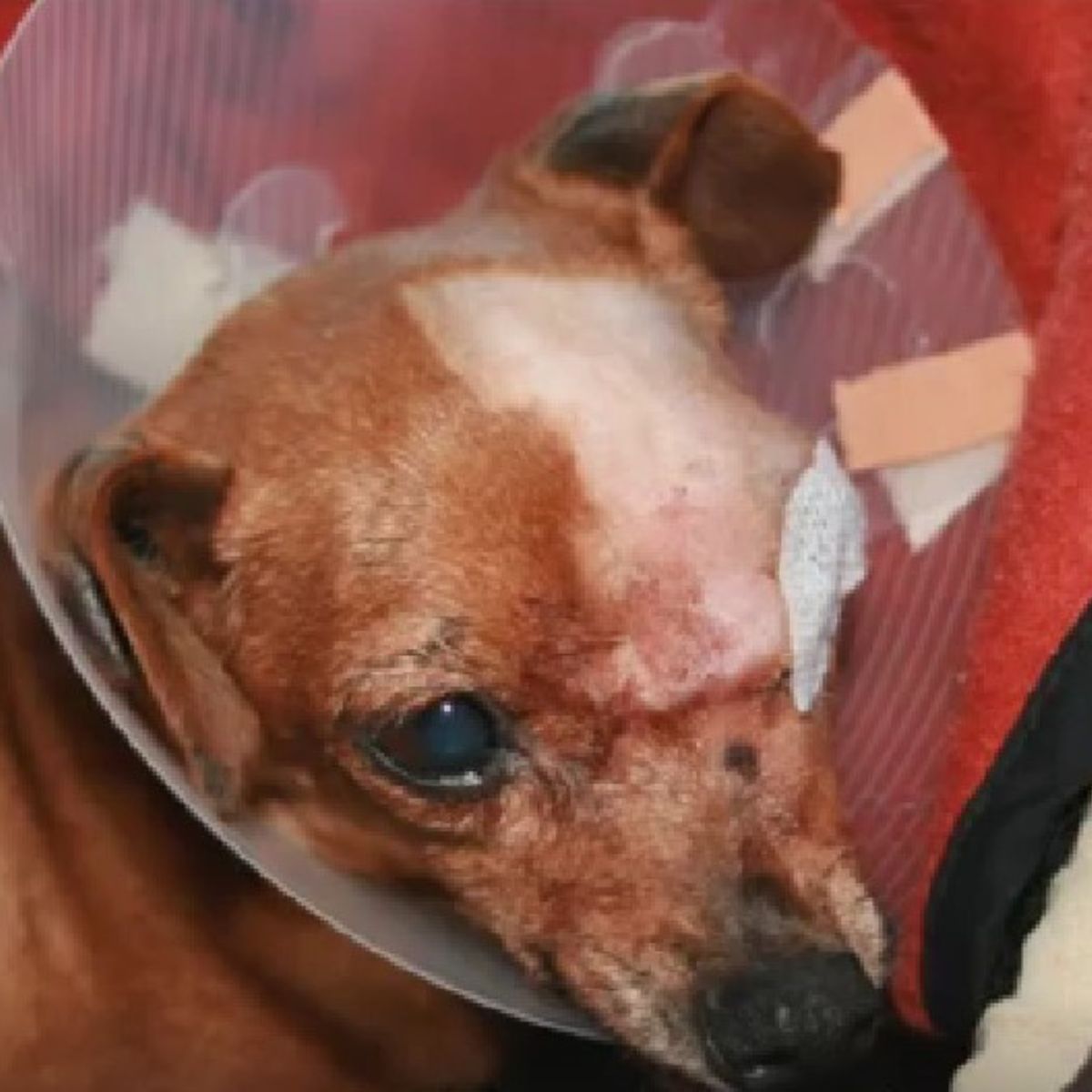
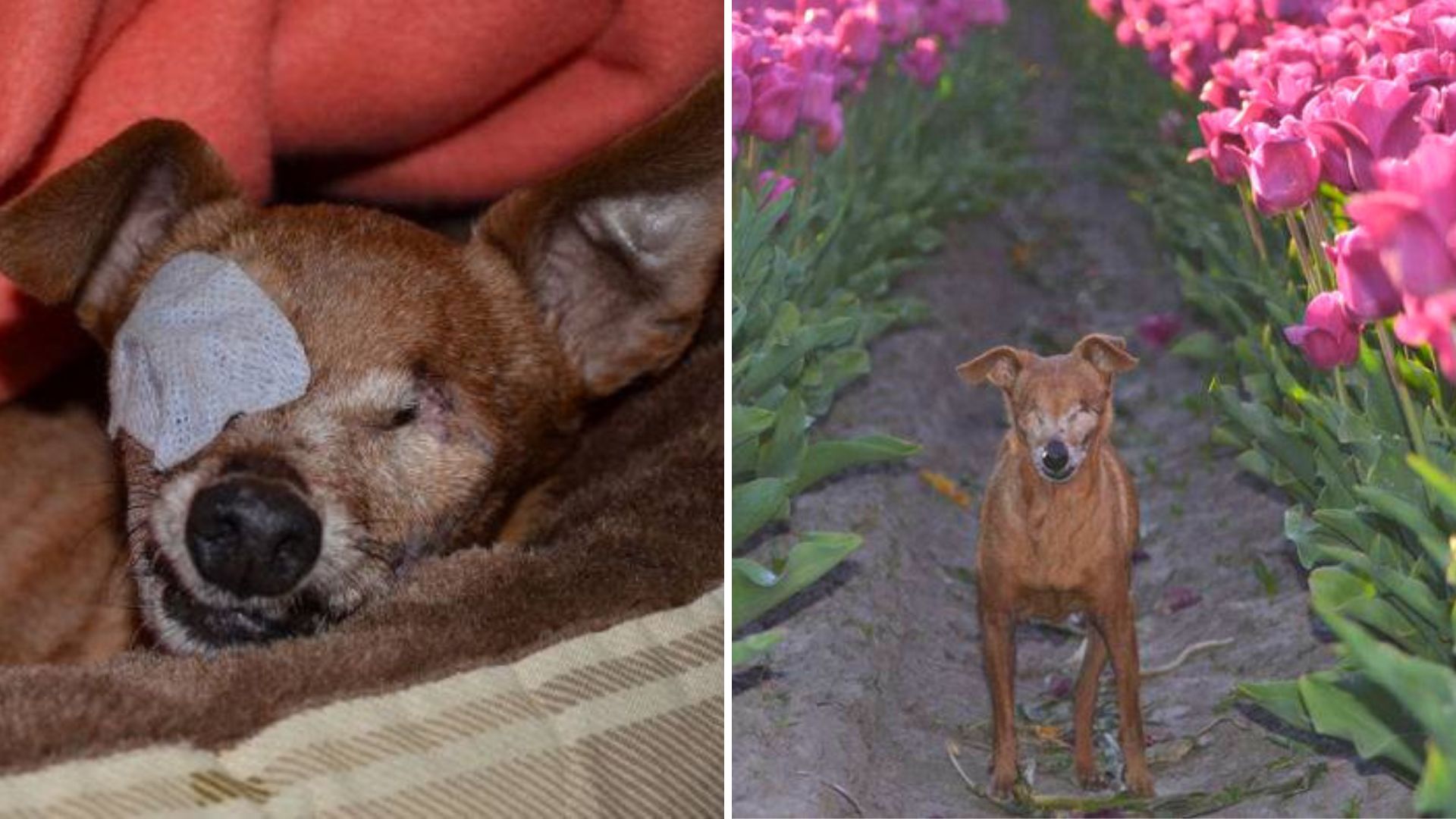
Despite these setbacks, Belle’s resilience shone. Recovery continued, and incremental gains in weight and muscle tone allowed her to move more confidently. Under Irene’s care she explored new places and gradually shed the habits of a frightened shelter dog.
What changed in Belle’s life:
- Improved mobility and weight gain
- Reduced anxiety through consistent routines
- New social bonds with household dogs Benji, Emi, and Simba
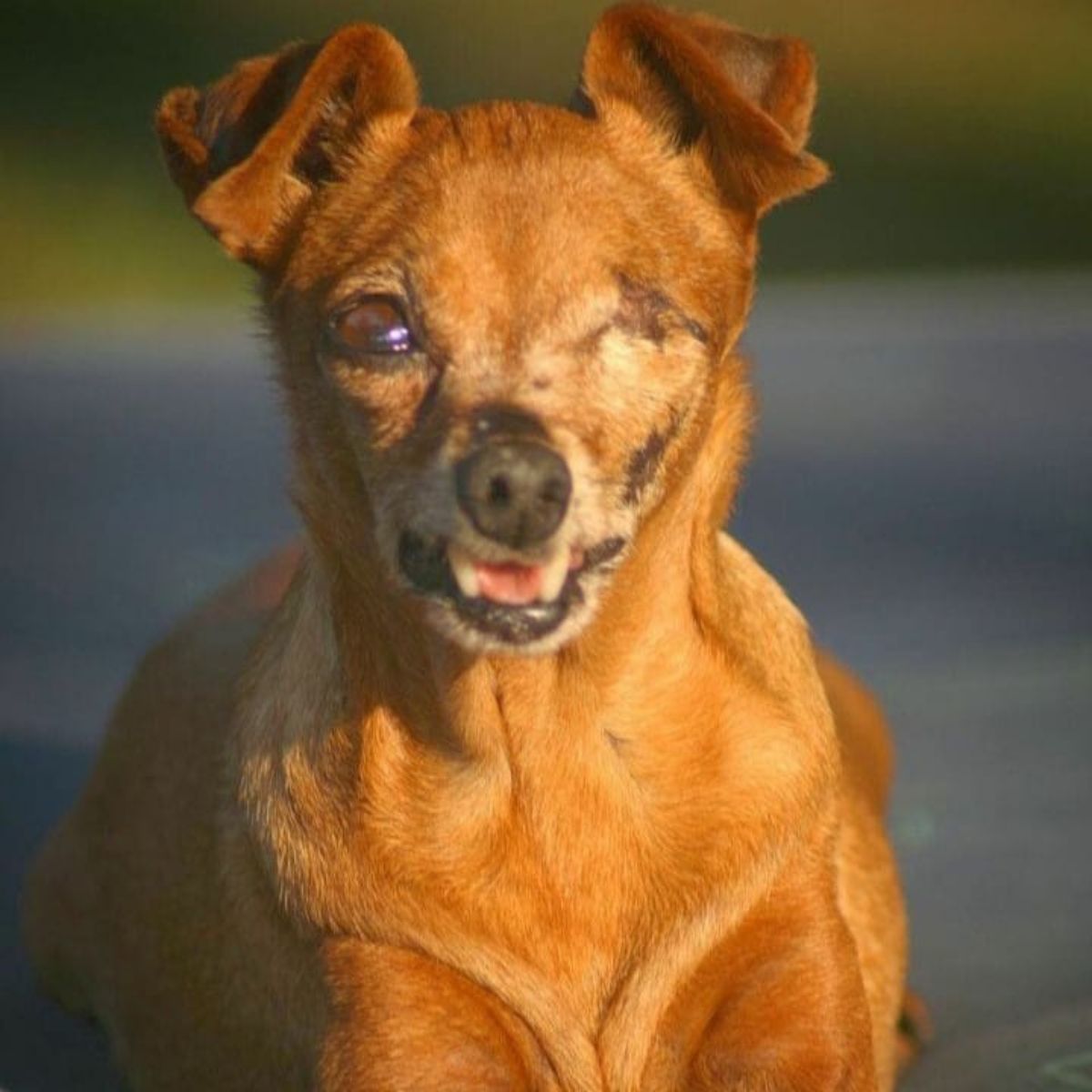
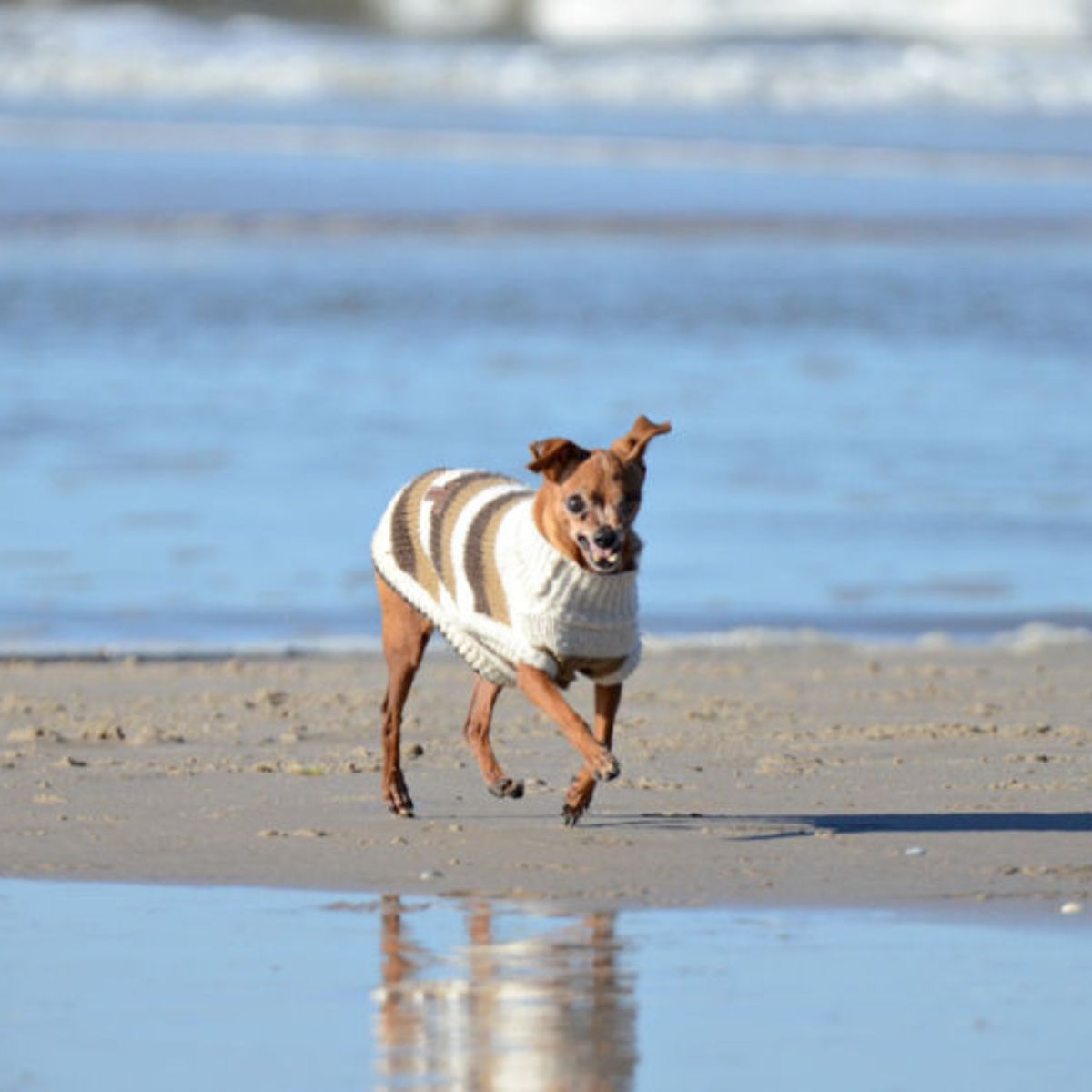
Time brought small victories: beach runs, hikes, and playtime with other dogs. Belle learned to relish movement and scent-based exploration, delighting in the breeze and the freedom to wander safely off-leash under supervision.
“She discovered joy in sensations other than sight — sound, smell, and touch became her map.”
Four years into her new life, glaucoma reappeared in the remaining eye. The pressure became intolerable, and the decision was made to remove that eye as well. Belle suddenly navigated the world without vision, yet she adapted with remarkable poise, relying on memory, scent cues, and the reassurance of Irene’s voice.
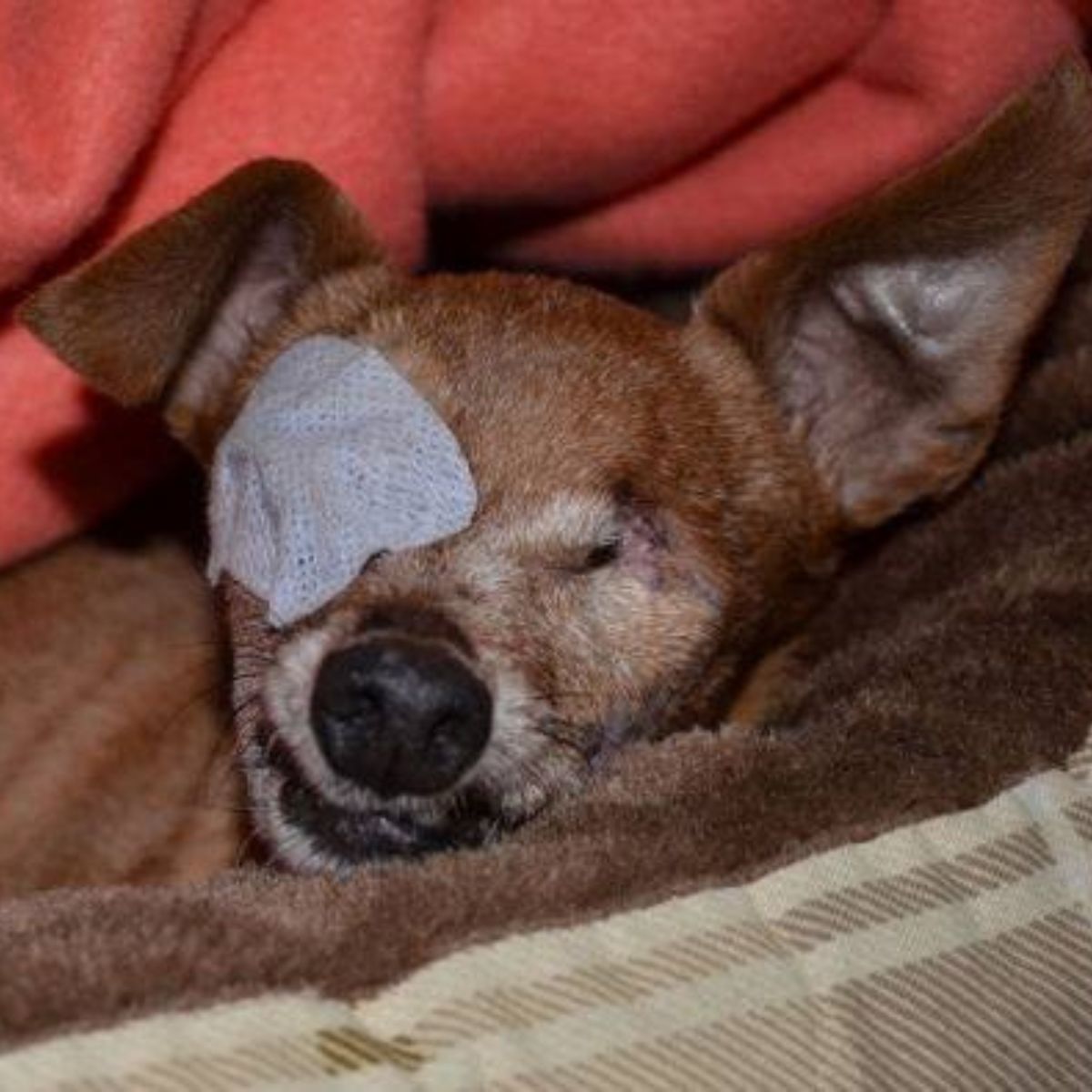
Inspired by Belle’s determination, Irene began sharing her story online to highlight how dogs with complex medical needs deserve loving homes. The posts emphasized that disability does not preclude a rich, active life.
Lessons from Belle’s journey:
- Chronic illness can be managed with prompt veterinary care and dedicated guardianship.
- Adapting environments and routines empowers visually impaired animals.
- Compassionate adoption changes outcomes for animals bred in harsh conditions.
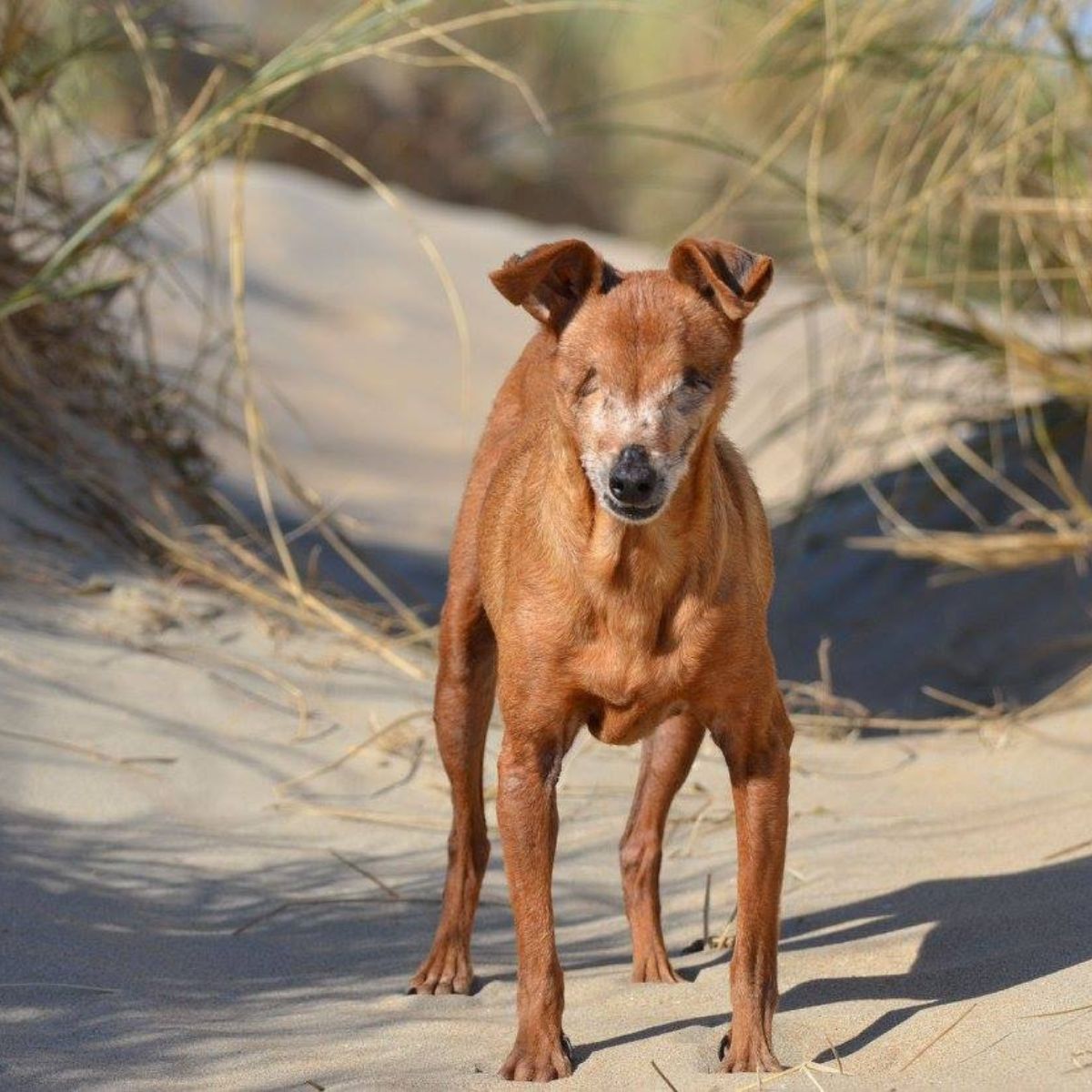
Later health scares — stomach and cardiac issues — required medication but were treatable, and Belle rebounded to resume many favorite activities. For 18 years she lived through extremes: years of neglect followed by a period marked by affection, travel, and companionship.

At age 18 Belle passed away peacefully. In her final chapter she experienced more love and enrichment than the long years of confinement ever allowed. To preserve and share her story, Irene authored a memoir about Belle’s life and the transformative power of rescue.

Conclusion — why Belle’s story matters
Belle’s life is a testament to recovery through compassion. Her experience underscores the need for responsible breeding practices, timely veterinary intervention, and the enormous impact a single committed adopter can have. From a neglected breeder’s inmate to a globe-trotting, sensation-led explorer, Belle’s path illustrates that animals with medical and sensory challenges can thrive when given patience, tailored care, and loving companionship.
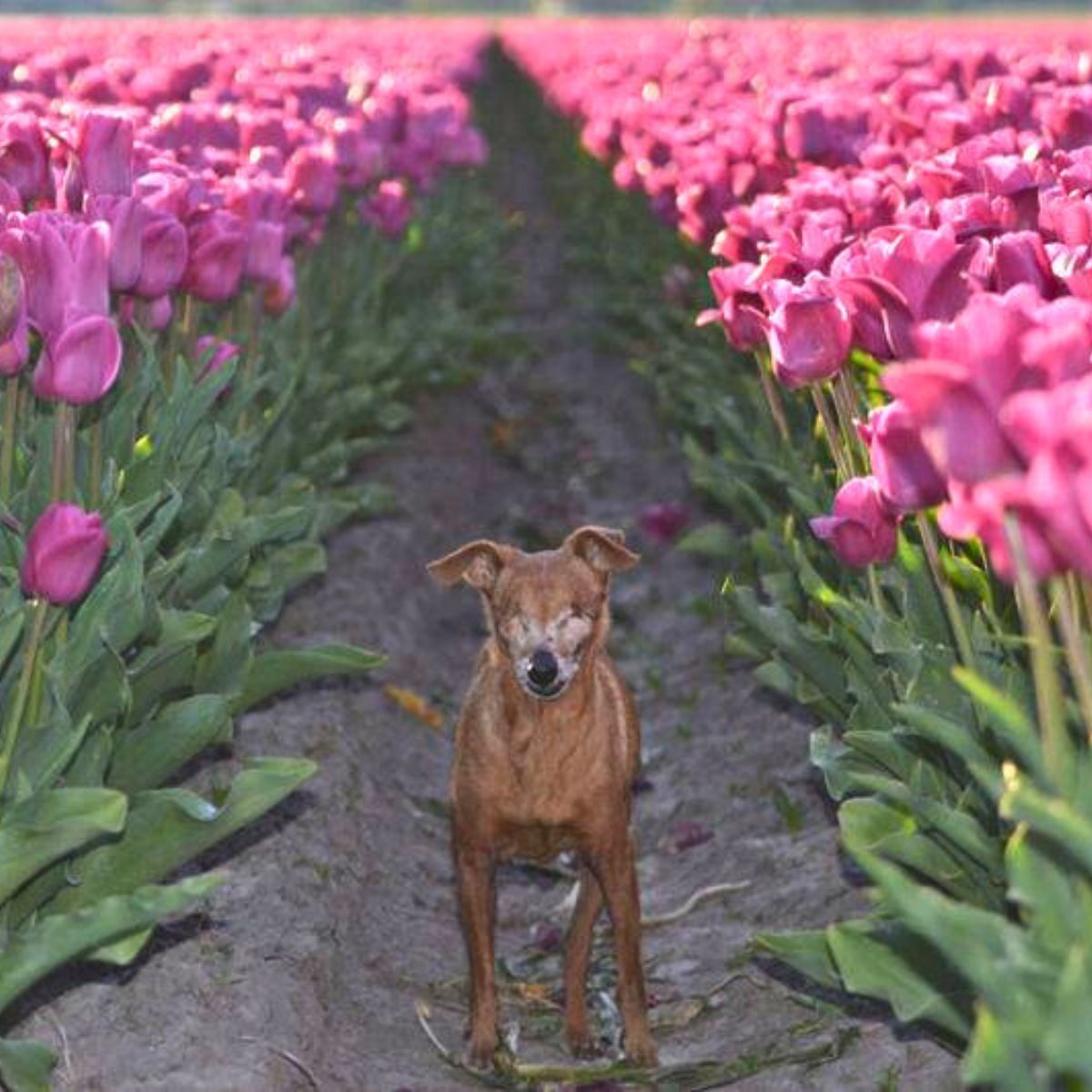
Note: This retelling preserves the factual arc of Belle’s life while removing external links and promotional sidebar material. Her story remains a powerful example that healing and joy are possible after prolonged mistreatment.