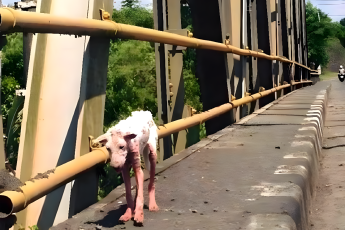
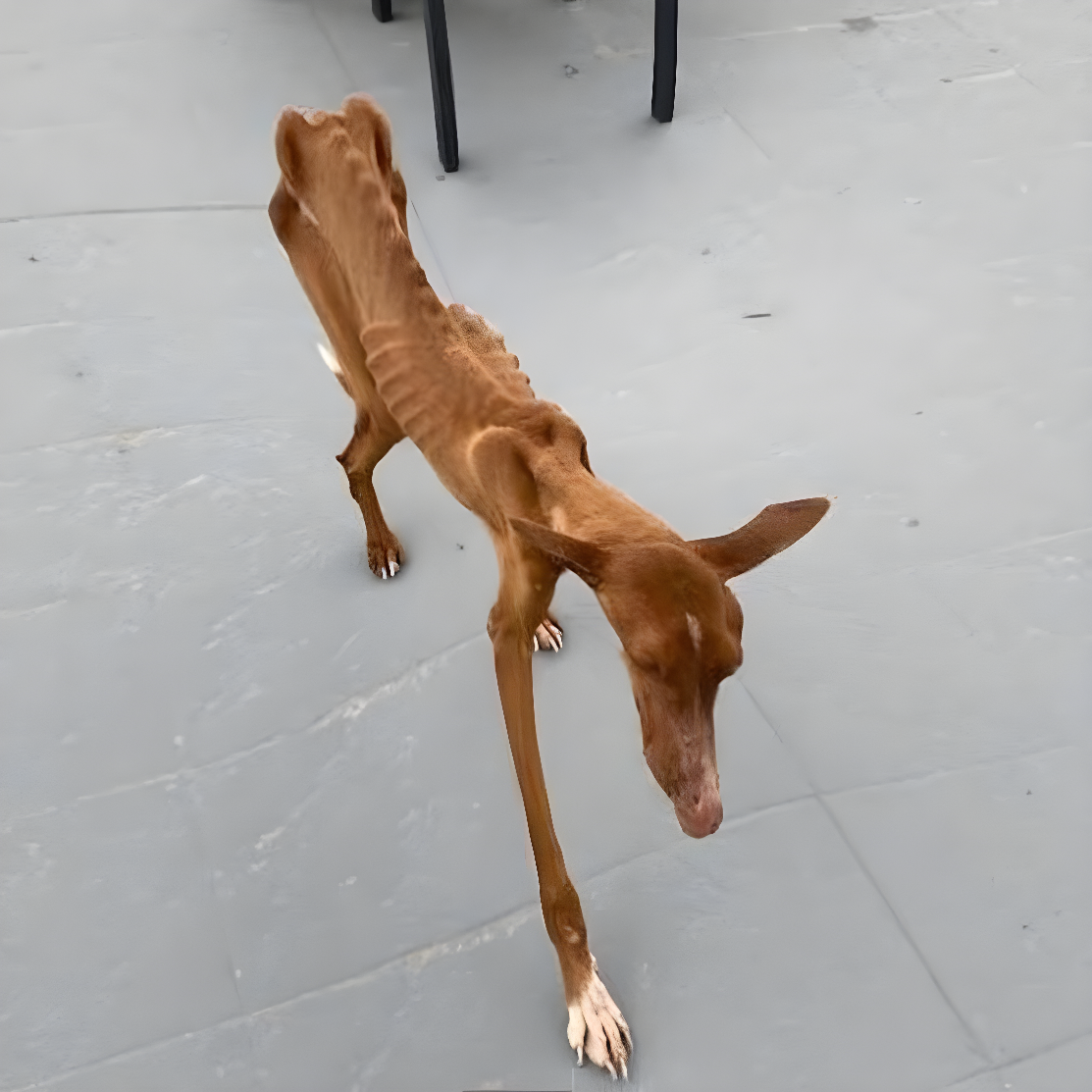
 When rescuers first encountered Felix, he resembled a living skeleton: skin pulled tight over ribs, hollowed eyes and a fragile frame that told of prolonged neglect. This young podenco’s appearance revealed the depth of hardship he had endured despite his youth.
He did something remarkable in that desperate moment—he rose to his feet and, with hesitant steps, approached people in the park as if pleading for mercy. Bystanders who saw him could not ignore the silent appeal of his condition; compassion moved many to act.
After being taken from the streets, Felix was transported to a veterinary clinic for a complete workup. The rescue team expected to find serious issues, yet they committed fully to restoring him. Immediate measures targeted the parasites that had tormented him; ticks and fleas were removed and antiparasitic care began at once. Comprehensive diagnostics — including blood panels and X-rays — were performed to map out the full scope of therapies he would need. Although only about three years old, his future depended on steady medical and nutritional rehabilitation.

Key interventions that launched Felix’s recovery:
- Removal of external parasites and wound care
- Bloodwork and radiographs to detect internal issues
- Personalized feeding and hydration plan
- Progressive physical support to rebuild strength
Once he arrived at the rescue center and was given his first proper meal, staff watched a subtle but powerful change: Felix ate eagerly, a sign that his body and spirit were responding. Small comforts—like a special piece of chicken after breakfast—became emotional milestones, showing him he was safe and cherished.
With consistent care, muscle tone returned to his legs and his movements grew steadier. Every small victory—standing more confidently, taking longer walks, finishing meals—was celebrated by the team as a step toward normalcy.

“Every ounce of attention and kindness rewrites an animal’s future,” a caregiver reflected as Felix’s resilience became apparent.
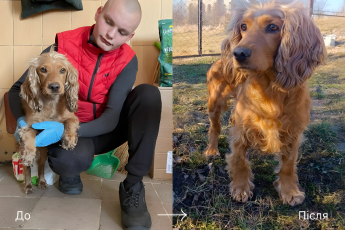
Over weeks of rehabilitation Felix added roughly five kilograms, a measurable indicator of his return to health. His coat regained luster, and the emptiness in his gaze was replaced by softness and trust—visual proof of the affection and care he received. Photographs taken as he improved showed a dog revitalized, both physically and emotionally.
As his strength and weight continued to climb, people began expressing interest in offering him a permanent home. The rescue team encourages others to share similar rescue experiences, believing that spreading these accounts builds community awareness and motivates action.
Conclusion
Felix’s transformation—from an emaciated, frightened podenco to a thriving, affectionate dog—is a testament to what targeted medical care, consistent nutrition and human compassion can achieve. His recovery underscores that timely intervention, patience and community involvement save lives. By sharing stories like Felix’s and supporting local rescues, we help ensure more animals get the second chances they deserve.