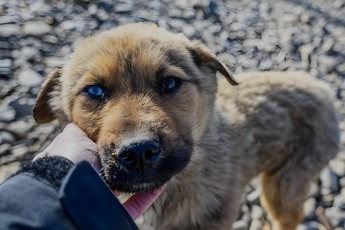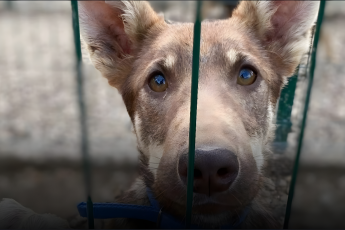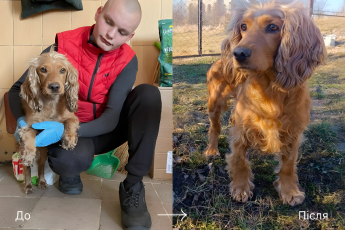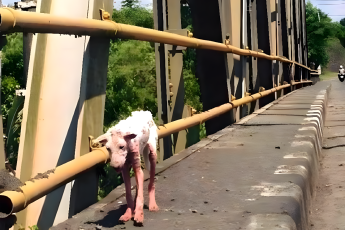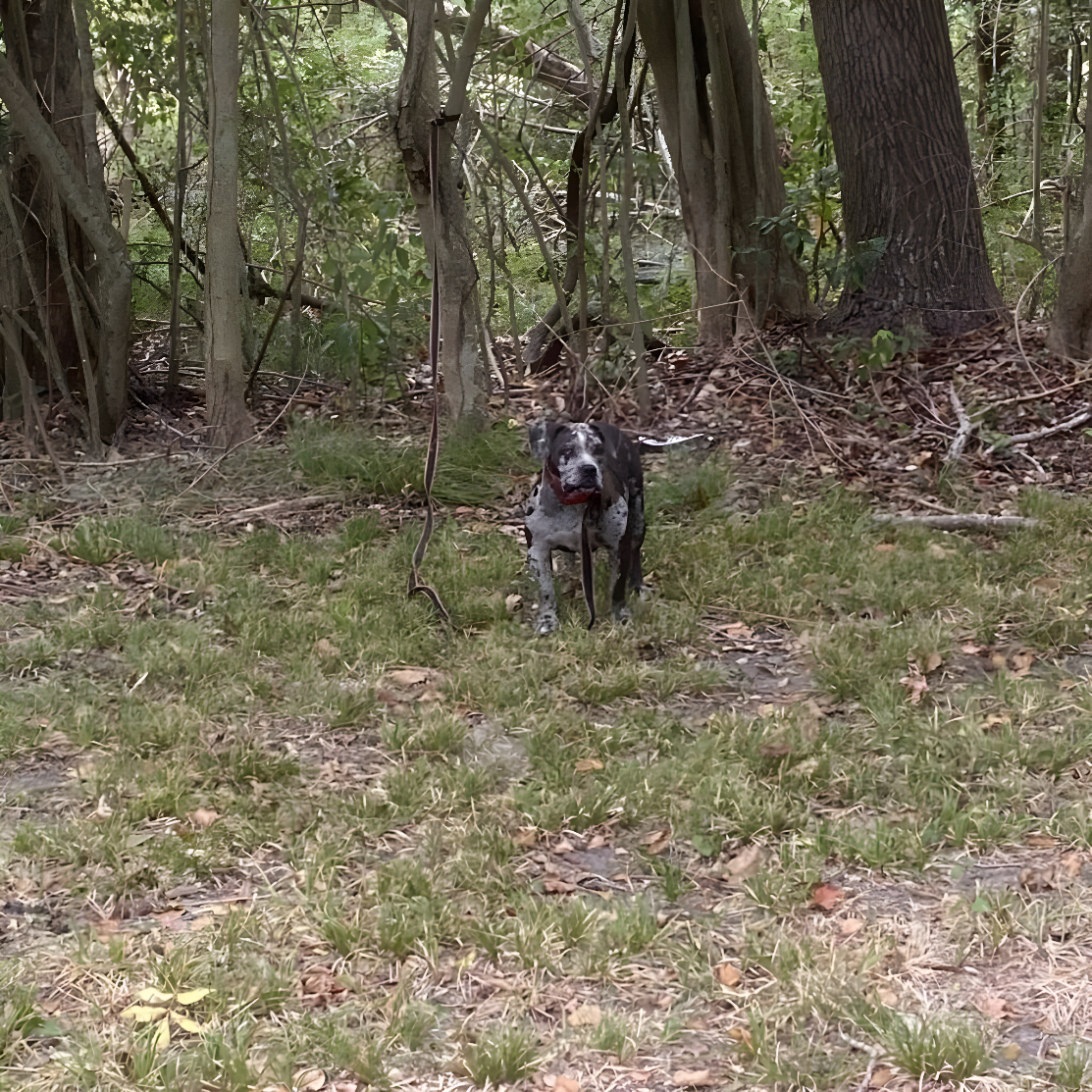
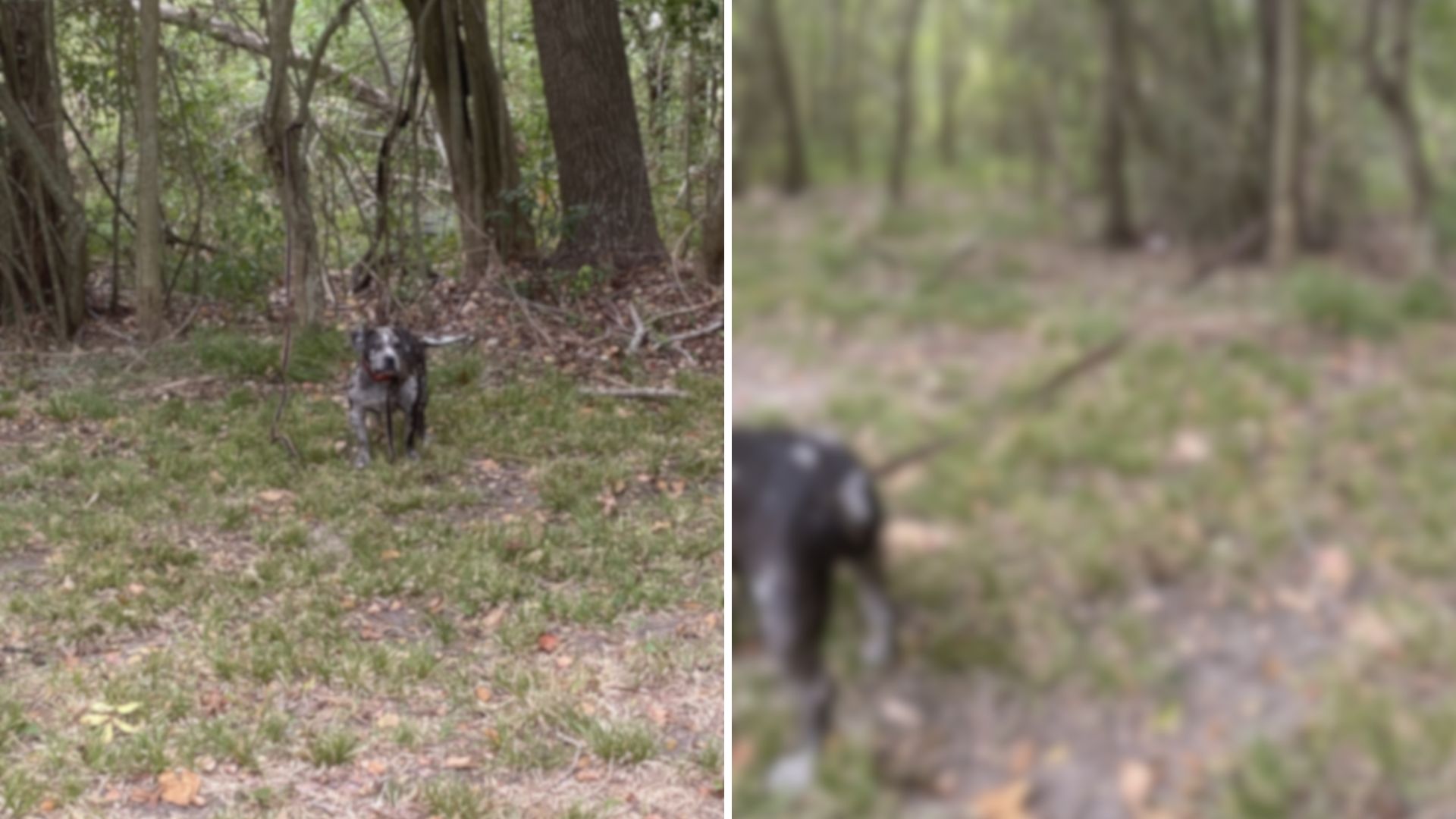
When volunteers followed the sound of frantic barking at the edge of a Texas cemetery, they discovered a frightened dog left alone and tethered in the dark. The animal — named Magnolia by rescuers — had been abandoned without shelter or nourishment, crying through the night until someone finally answered. The scene shocked everyone who arrived: an animal clearly neglected and in desperate need of attention.
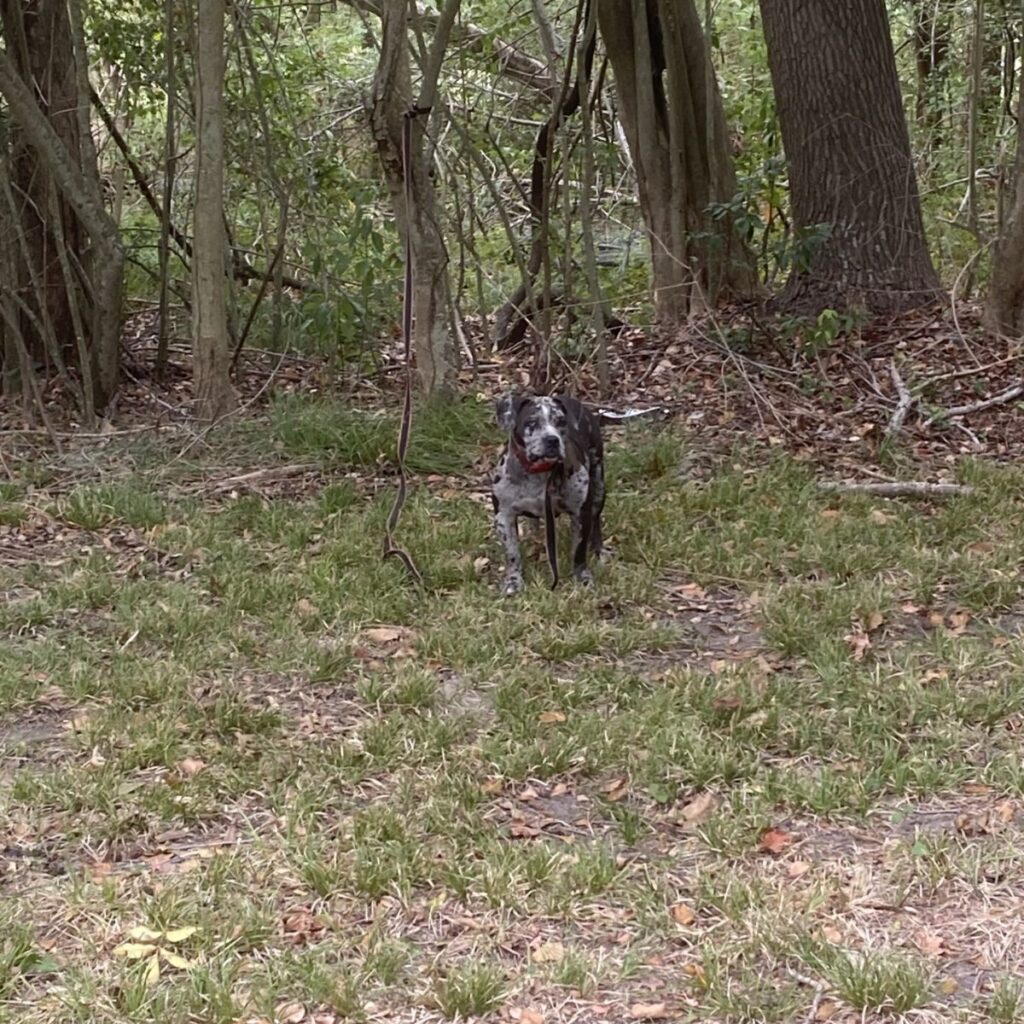
Staff from a nearby animal care organization followed Magnolia’s hoarse cries into the underbrush and located her secured to a tree. She appeared thin and exhausted, her barking raw from hours of calling for help. Approaching took careful planning — the team recognized that any hurried movements might frighten her further.
“Finding her that way was heartbreaking. She had no water and no shelter; her cries were worn from the night,” a shelter technician later said.
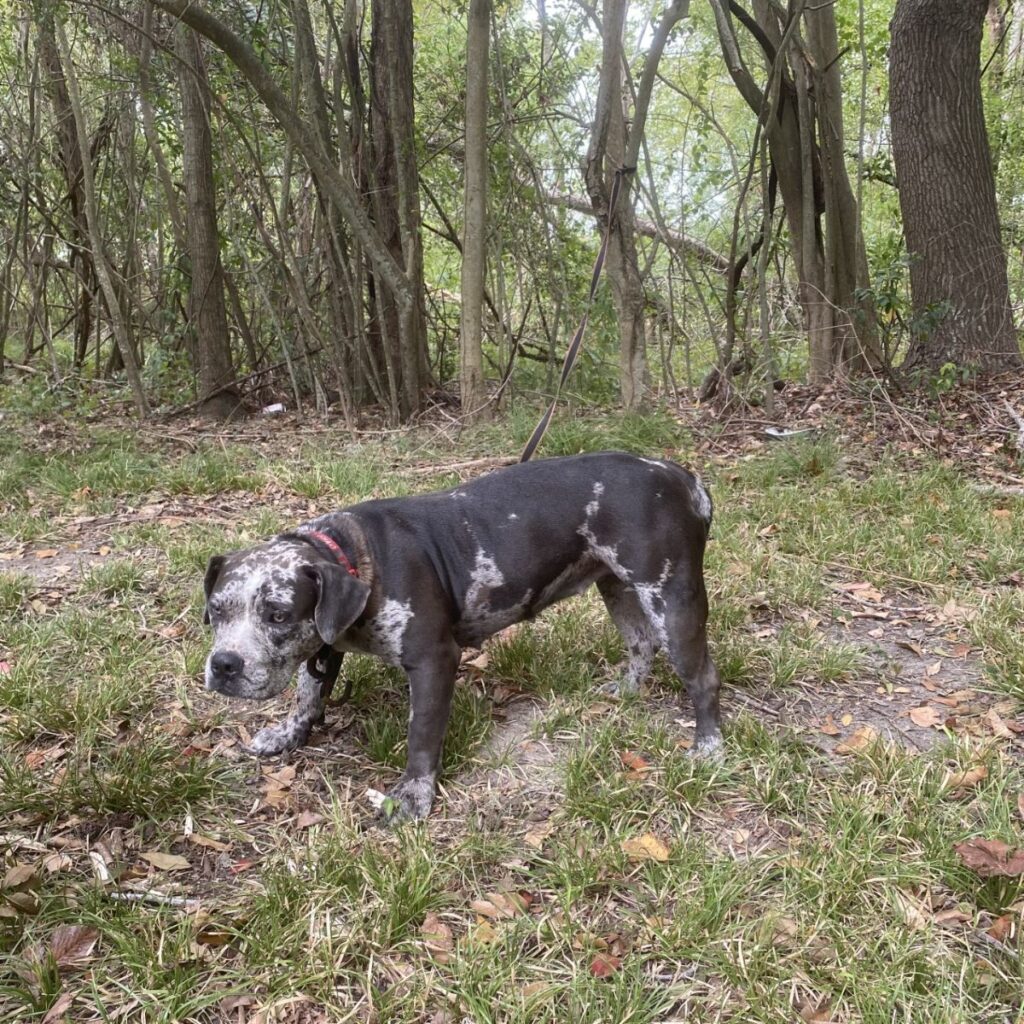
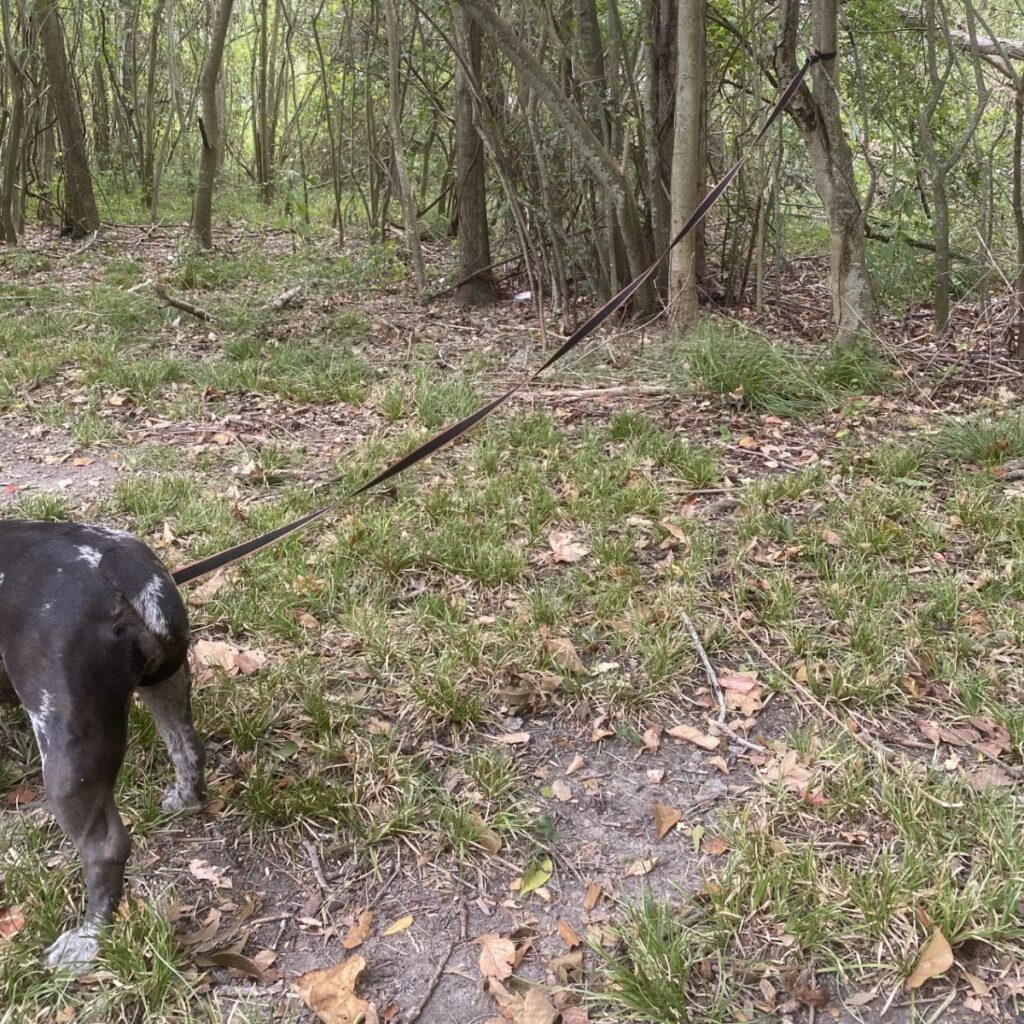
Initial attempts to free Magnolia were difficult. Fear and mistrust made her bark and growl at the rescuers, a natural response from an animal that had been left alone and frightened. The team slowed their approach, speaking softly and using calm body language to reduce her alarm. Gradually, she relaxed enough for them to untie the makeshift restraint and guide her to safety.
Back at the shelter, staff created a gentle, step-by-step rehabilitation plan. They focused on basic needs first — food, water, and a warm place to rest — then layered in socialization and trust-building exercises. Over time, Magnolia’s true temperament emerged: a friendly, affectionate companion who gradually sought out attention and play.
Key steps in Magnolia’s recovery included:
- Medical assessment and treatment for dehydration and malnutrition
- Patient handling to restore confidence around people
- Supervised playtime and companionship with other animals
- Ongoing monitoring to ensure steady emotional and physical progress
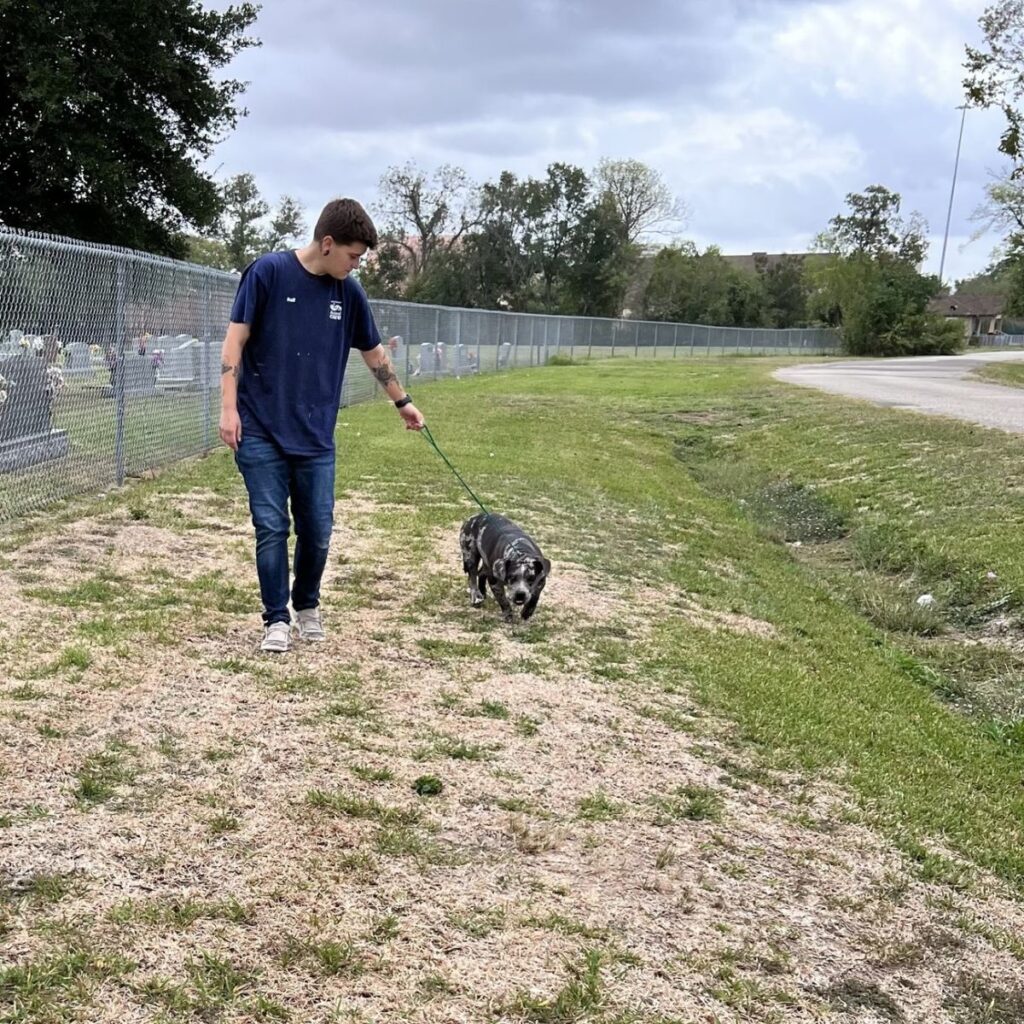
As Magnolia healed, her enthusiasm for visitors and interactions with kennel mates grew. She began greeting anyone who passed her enclosure, wagging and engaging with both people and other dogs. Staff noticed positive changes daily: brighter eyes, a healthier coat, and an eagerness to play that had been buried for some time.
Comforting progress: Magnolia formed a close bond with one particular shelter companion, demonstrating how vital social connections are to an animal’s emotional recovery. While she waits for adoption, she is thriving in a secure environment that emphasizes patience and love.
“She’s come a long way — from terrified and alone to a dog who wants to be near people and play,” a caregiver observed.
Magnolia’s journey is a reminder of how quickly neglect can harm an animal and how compassion and steady care can help restore trust. Her future looks promising: staff are optimistic she will soon join a permanent family that understands her past and will provide the life she deserves.
Conclusion
Magnolia’s rescue underscores two important truths: cruelty can leave deep scars, but thoughtful rescue work and persistent kindness can rebuild an animal’s world. Through careful rehabilitation, attentive medical care, and warm social interaction, Magnolia transformed from a frightened, abandoned dog into a playful, hopeful companion. Her story encourages us to look out for vulnerable animals and to act when we hear a cry for help.