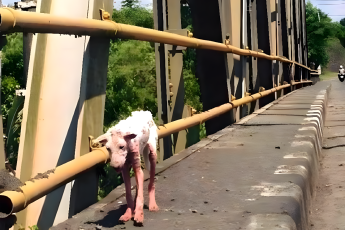
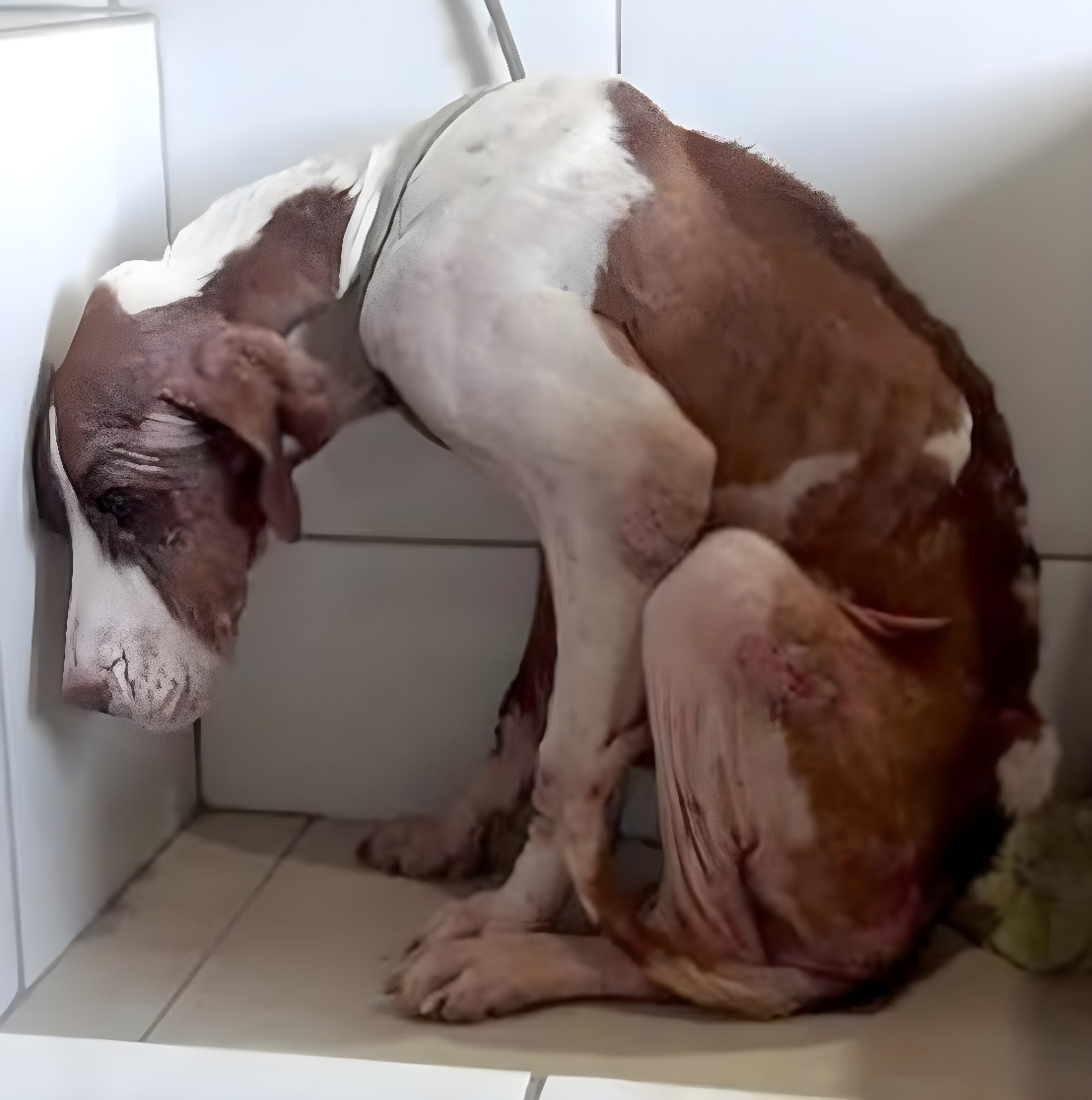
 We didn’t call a cab — instead we rang a driver we knew, the kind who always agreed to transport animals. He said he’d arrive in twenty minutes and that we should just position the dog so he wouldn’t be in pain. While we waited I sat on the tiled floor, my back against the wall, whispering the simplest comforts the way you calm a frightened child: telling him there was a window beyond the door, that chives grew on my windowsill, that bread smelled warm, that no one would ever push him into a corner. I spoke more to steady myself than to him, because every promise made to an animal carries the question: do I have the strength to keep it?
The dog lay utterly still, occasionally expelling a shaky breath that left a small ring of steam on the tiles and vanished. When the driver came in, the dog didn’t lift his head. We slid a sheet under him and, together, carried him to the car. The weight I felt wasn’t just his body — it was a long-held silence, the kind that forms when no one has said, “This must stop.”
At the clinic the air smelled of disinfectant and warm groats — a nurse was reheating dinner on a small stove. The ordinary domestic scent made the place feel almost homely. The veterinarian, a woman in her forties, crouched beside the dog, ran her hand along his spine that jutted like a metal zipper, and softly said: “We will put him back together.” She listed the clinical problems: extreme weight loss, dehydration, anemia, pressure sores, inflamed skin. Then she gave the first hopeful facts: his heart beat steadily, his eyes were clear, and preliminary tests suggested there could be a chance. The word chance rang inside me like a quiet prayer.
First 24 hours: he barely moved. IV drips governed the tempo of care; we changed pads, followed strict instructions to withhold solid food and only provide electrolyte water. He drank slowly, as if relearning how. I stayed overnight in the clinic, dozing on a stool and waking to the same fragile scene — his forehead against the wall, as if that angle was the only horizon he could imagine.
“We will put him back together.” — The vet’s calm assessment that turned into a plan.
At dawn he turned his head for the first time — only the span of a hand, but that tiny motion sent shivers through me. It was clear then: healing couldn’t be rushed. We had to rebuild not only his body but the world that had crumbled around him. We named him Silence — not because he never barked, but because silence had been the only shelter he knew. Now that silence would become a bridge to life.
On the second day he attempted to stand; his legs splayed and his forehead struck the wall again. He panted heavily. From the corridor came a blunt voice: “These dogs should be put to sleep, why prolong the suffering?” Something inside me snapped. I stepped out and asked, composed but firm, that no one speak of him that way in his presence. The woman shrugged and walked away. I returned and sat beside him, because sometimes the only thing we can offer is presence and quiet.
After four days the clinic released him with a regimen of spoon feeding, topical ointments, pills, wound-care instructions, and how to keep him warm. The vet gave me a line I haven’t forgotten: “Do not fear his fear. It will leave little by little, but it will leave.” That advice became our guideline.
- Daily routines: careful feeding by spoon, wound dressing, protecting from cold
- Signs to watch: steady heart rate, clear eyes, gradual interest in surroundings
- Patience required: small wins, repeated reassurance, no rushing
Home felt too loud and too big. The kettle hissed, the clock ticked, and Silence tucked himself into the narrow space between the fridge and the cabinet, face to the wall, as before. I lay beside him and watched the wall with him. I admitted to myself that every person — and every animal — has a corner they retreat to when the world becomes too hard. I began telling him about the neighborhood: people grilling sausages in the yard, a little girl who dropped dog treats, a caretaker who knew every stray cat by name. The more I described ordinary life, the clearer those small sounds became: laughter at the TV, water in the pipes, bread being sliced. I wanted to pull that ordinary warmth closer to us.
The turning point came on the fourth evening. Rain scent drifted through the open window; the click of stroller wheels echoed below and someone called, “Rudy, come!” Silence twitched, lifted his forehead from the wall, and inhaled deeply as if he were drinking the air. Then, deliberately and very slowly, he turned his head. In his eyes a spark of curiosity appeared. I extended my hand into the space between us — not toward him — and he shifted forward by one centimeter. One tiny centimeter was, in that moment, everything.
A small movement, a large meaning: that single centimeter marked the shift from survival to the possibility of living again.
He continued to improve in increments — longer licks of water, steadier breaths, brief explorations of the apartment. Not every day brought progress, but the pattern leaned hopeful. People who see only the surface may ask if it was worth the effort. When someone suggested euthanasia earlier, the choice to stay and nurse him was an answer: care can create openings where there once seemed to be no way forward.
“Do not fear his fear. It will leave little by little, but it will leave.”
Conclusion: This story is a reminder that recovery often arrives through slow, patient gestures rather than dramatic interventions. Key lessons are simple — stay present, follow medical guidance, protect against cold and infection, and honor the pace of healing. Small, consistent acts of kindness can coax a frightened life back toward curiosity. In Silence’s case, a hand held in the space between two beings and one centimeter of movement were the first real steps home.