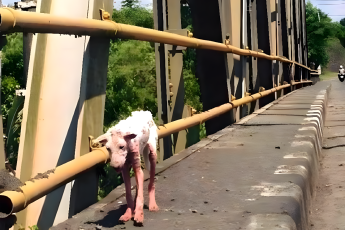
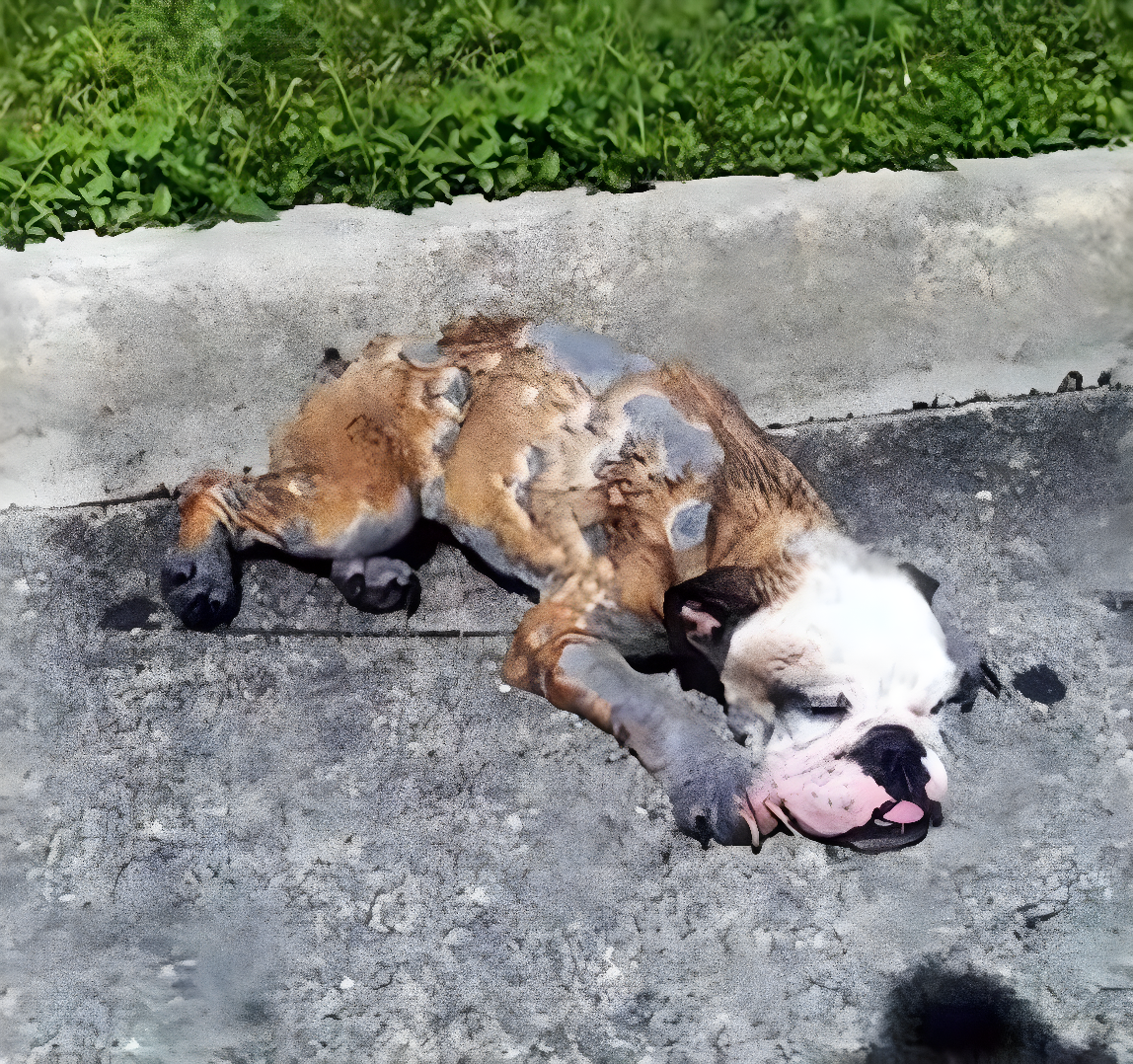
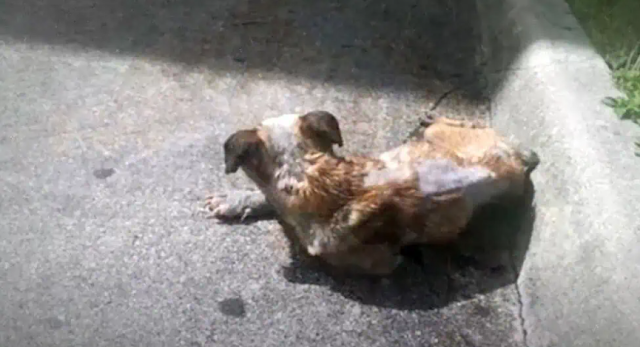
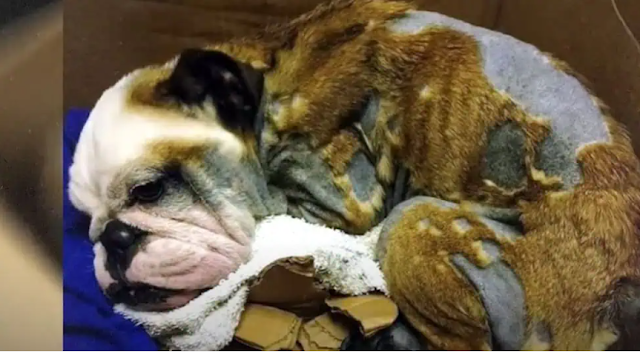
 In Falmus, Massachusetts, a roadside discovery changed the destiny of a young dog later named Princess. What looked like a lump of soiled fabric to many walkers was actually a living animal barely clinging to life.
A passerby who paused could not dismiss the sight. The object he approached was not debris but a trembling canine hidden in grime and exhaustion. Alarmed, he contacted a local animal protection group, and rescuers hurried to the scene to assess the situation.
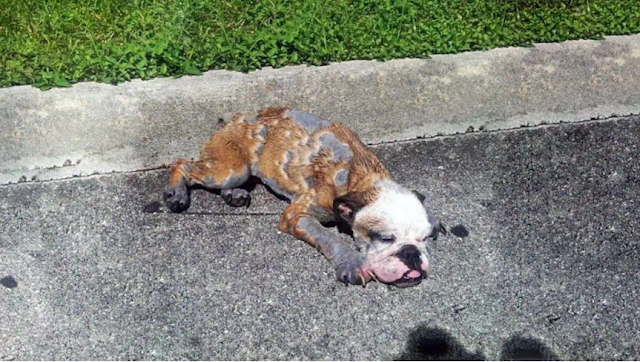
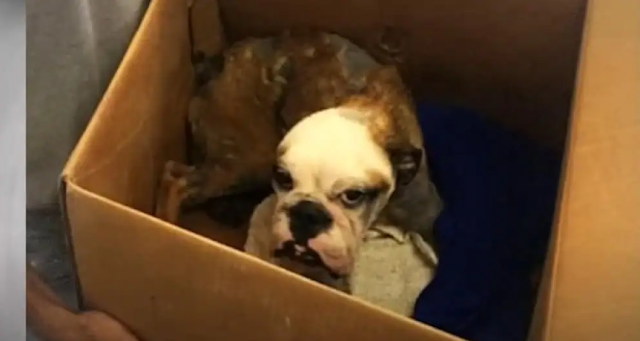
At the veterinary clinic, staff were confronted with a dire medical picture. Veterinarians estimated Princess to be about one year old and discovered she weighed under 9 kilograms — a dangerously low figure for her frame. Her body bore clear signs of prolonged neglect and possible mistreatment, but the clinical team immediately began stabilizing her and planning treatment.
Urgent care required — community support became essential.
With constrained resources, the rescue organization turned to social platforms to request help. They published Princess’s medical needs and asked for financial contributions to cover veterinary procedures, medications, and follow-up care.
The response was swift and substantial. Donations accumulated, enabling immediate interventions and continued rehabilitation. Community members, moved by the account of the abandoned dog, supplied the means for treatments that otherwise would not have been possible.
“An act of attention saved a life that others had dismissed as waste.”
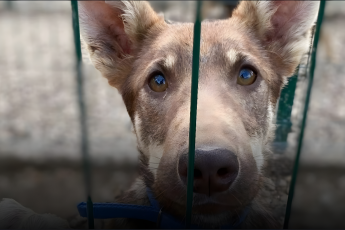
As caregivers delved deeper into Princess’s background, a painful narrative emerged: she had been purchased from a breeder, then rejected by her owner when a skin condition — mites — became apparent. When the breeder declined to take the dog back, the owner chose abandonment instead of medical care.
Animal welfare advocates were appalled by both the breeder’s refusal and the owner’s decision to discard the dog. Activists amplified Princess’s story online to expose the neglect and encourage better standards of care and accountability for sellers and owners alike.
Key actions prompted by the case:
- Public fundraising for medical needs
- Awareness campaigns about responsible pet ownership
- Calls for stronger oversight of breeders and sellers
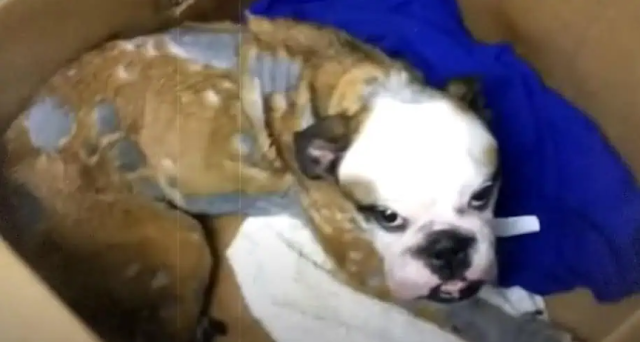
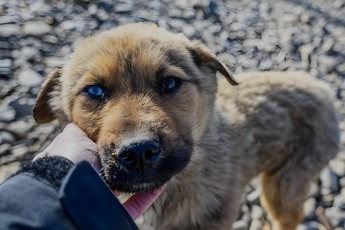
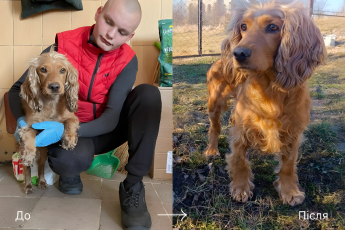
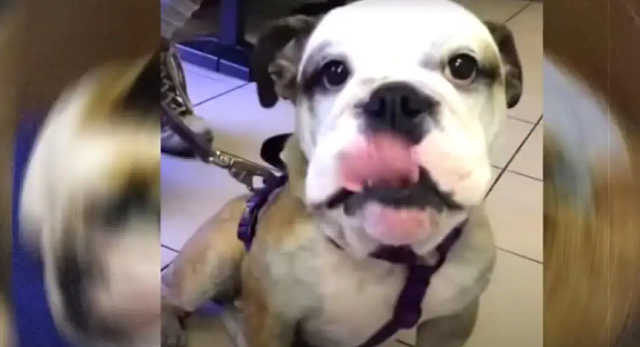
With consistent veterinary attention and the steady involvement of volunteers, Princess’s condition began to reverse. Wounds healed, her coat improved, and she gained strength. Equally important was the emotional recovery: patient handling and affection helped rebuild trust and reveal a gentle temperament beneath the trauma.
Today, Princess is flourishing. The combination of a compassionate stranger who intervened, dedicated rescuers who stabilized her, and generous supporters who financed her care produced a recovery that might have seemed impossible on that roadside morning.
Final takeaway: This episode underscores how a single act of attention can transform an animal’s fate. Communities that mobilize resources and compassion can rescue vulnerable animals, provide necessary medical and emotional rehabilitation, and advocate for better practices to prevent future abandonment.
Conclusion — Princess’s recovery is both a testament to human kindness and a reminder of systemic problems in pet trade and ownership. Prompt intervention, sustained veterinary care, and public support restored her health and spirit. Let this story motivate increased responsibility from breeders, owners, and communities so that no animal is left to suffer alone.