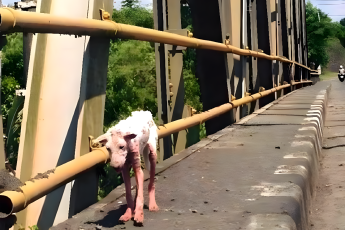
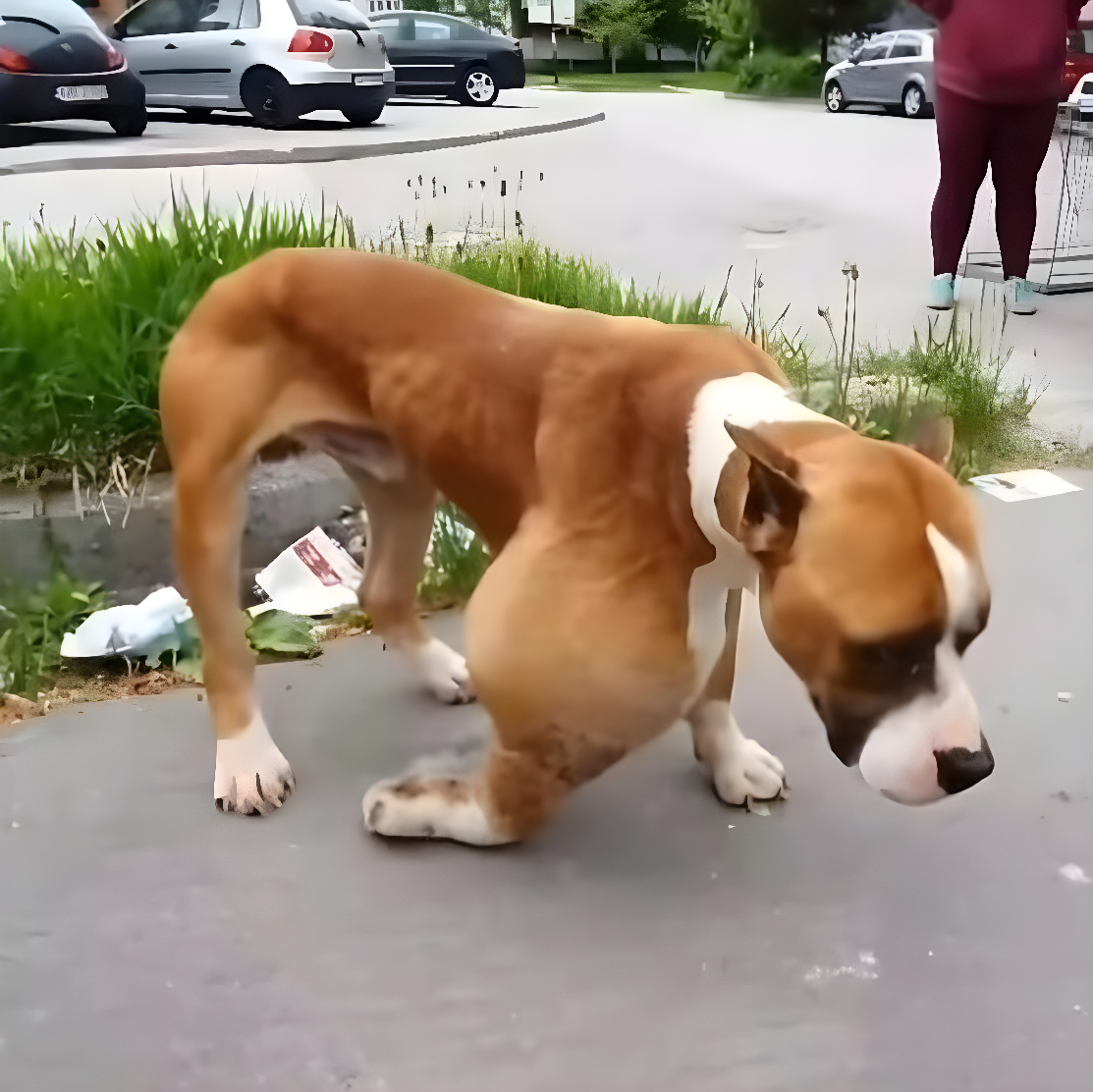
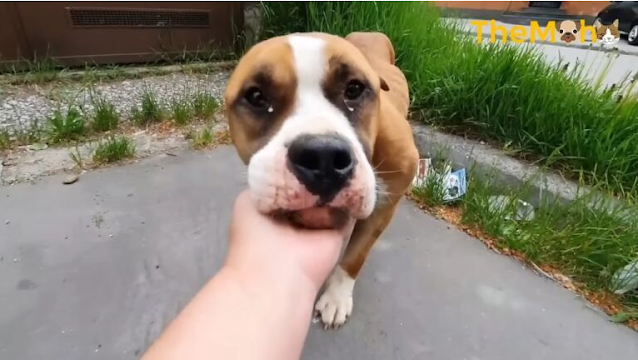
 Found alone in a secluded patch of woodland, Alphonzo—a young American Staffordshire Terrier—was first noticed when a passerby photographed him and shared the image online, setting into motion a rapid rescue response. Rescuers who saw the photo organized help, locating an obviously friendly dog who could barely stand and appeared to have been left behind.

When volunteers examined Alphonzo, his cropped ears suggested prior ownership, yet his condition indicated he had been neglected. He greeted people with a wagging tail and a gentle temperament despite being unable to move freely. Initial observations raised alarm: his front limb appeared severely damaged and he emitted a strong odor consistent with an infected wound.
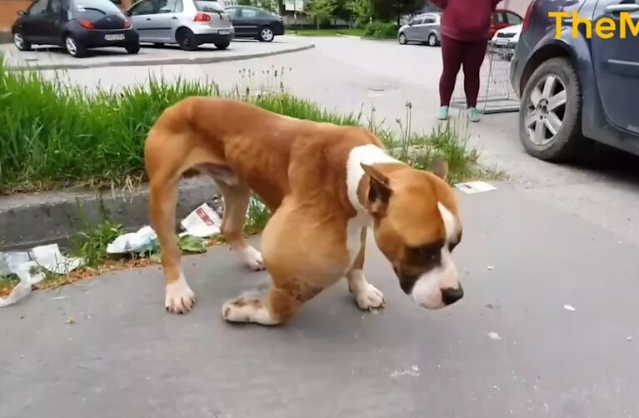
“Despite his pain, Alphonzo showed an unmistakable eagerness for affection and food—proof that his spirit was still strong.”
Veterinary teams performed a battery of diagnostics to determine the extent of the injury and whether the mass in his leg had spread. X-rays and a CT scan ruled out metastases, offering a crucial piece of good news; bloodwork, however, detected anemia that required supportive care. The assessment made clear that definitive action would be necessary to relieve Alphonzo’s suffering.
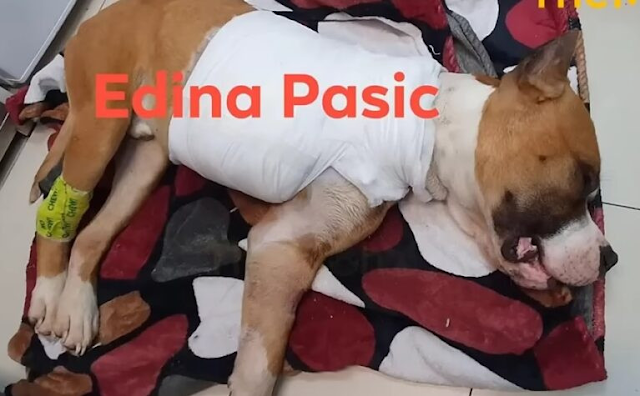
Given the severity, the veterinary team recommended surgical removal of the diseased tissue. The complex operation lasted several hours and culminated in the excision of a remarkably large six-kilogram tumor along with amputation of the affected front leg. The procedure aimed not only to eradicate the mass but to restore Alphonzo’s chance for a pain-free life.
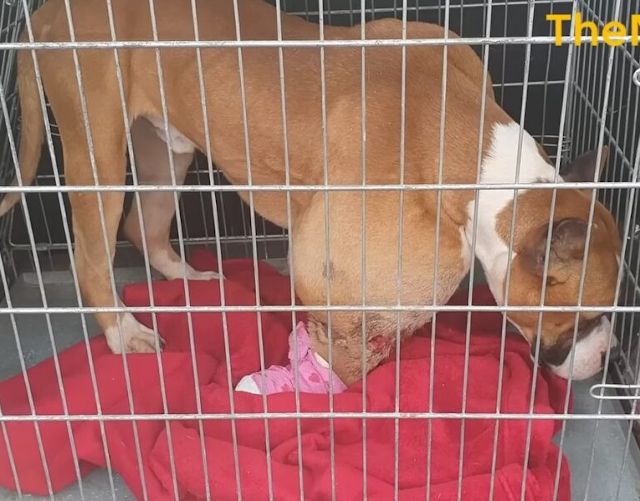
- Key surgical outcomes: tumor removed, front leg amputated
- Diagnostic results: no detected metastases, presence of anemia
- Immediate needs: pain management, nutritional support, ongoing monitoring
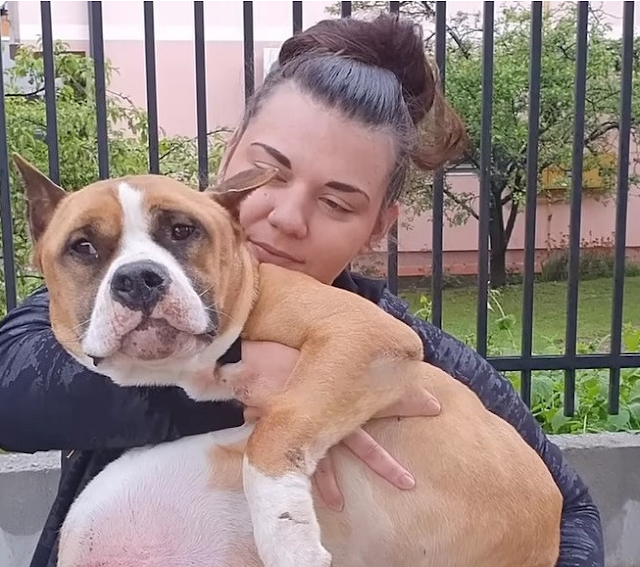
Alphonzo’s postoperative recovery began sooner than many expected. Within days he showed appetite, responsiveness to affection, and steady healing at the surgical site. A veterinary nurse named Merima stepped in to foster him, offering round-the-clock care and social contact to encourage both physical and emotional rehabilitation.
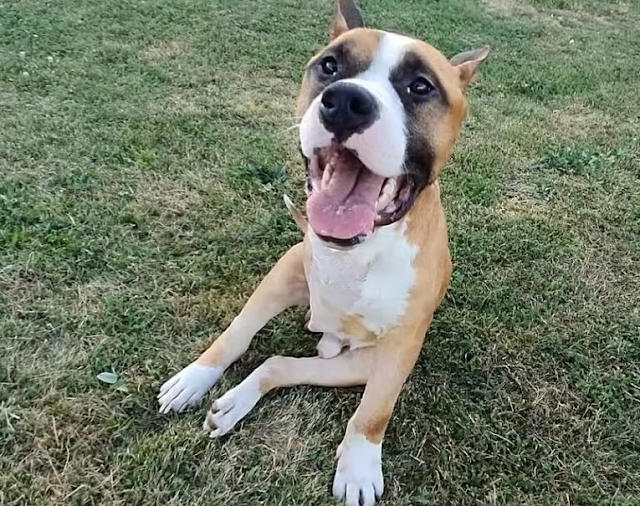
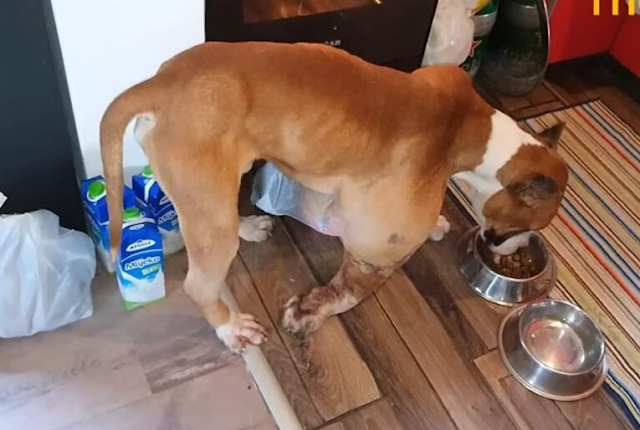
“Four days after surgery he was already showing notable improvement—eating well and responding to touch with a trusting demeanour.”
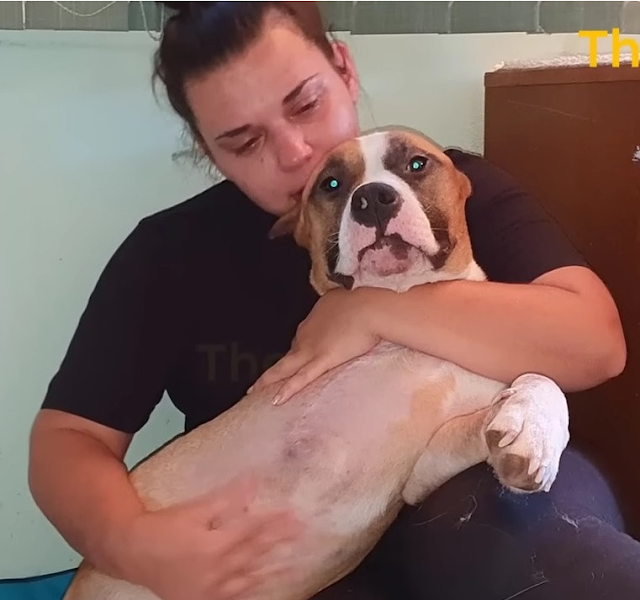
Now residing in a calm foster environment, Alphonzo’s social nature has flourished: he enjoys human company, interacts well with children and other dogs, and tolerates cats. Estimated to be about one year old, he is on the path to full rehabilitation, including treatment to correct anemia and scheduled spay/neuter services prior to adoption.
What helped Alphonzo recover:
- Timely diagnostic imaging and bloodwork
- Prompt surgical intervention to remove the tumor and amputate the damaged limb
- Consistent postoperative nursing care and nutrition
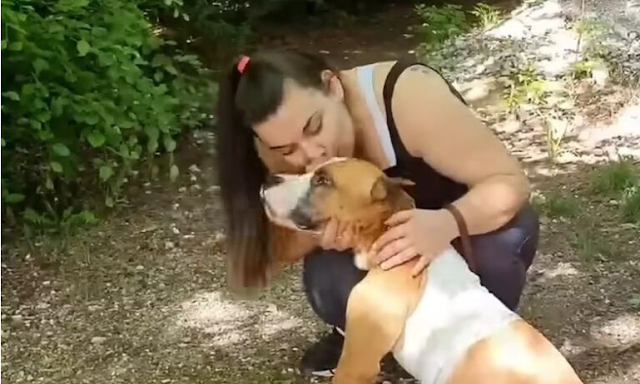
Those who rallied around Alphonzo—first responders in the field, the clinic staff, and his foster caregiver—played essential roles in converting a dire situation into a recovery story. Their combined efforts demonstrate how community action and veterinary expertise can change an animal’s trajectory.
Summary and next steps:
Alphonzo has overcome a life-threatening tumor and the trauma of abandonment to begin rebuilding his life. Continued nutritional support and medical follow-up should resolve his anemia and strengthen his recovery. Once cleared medically and neutered, he will be eligible for adoption into a permanent, loving household where his affectionate nature can continue to flourish.
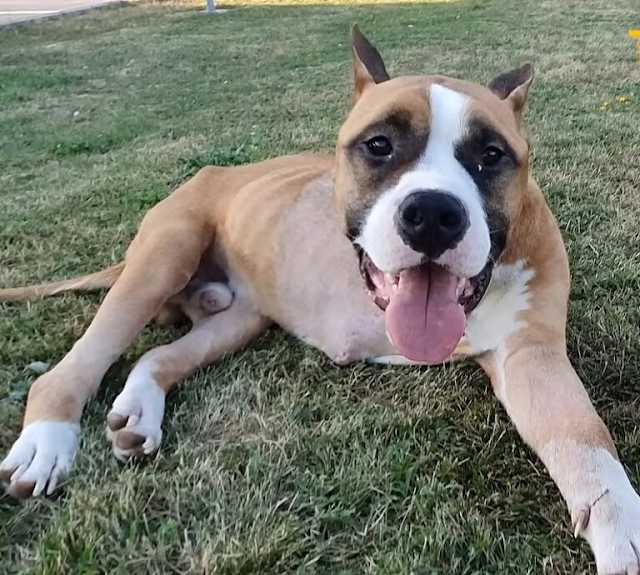
Alphonzo’s transformation — from a wounded dog found in isolation to a rehabilitated, sociable companion in foster care — highlights the power of coordinated rescue, skilled veterinary treatment, and compassionate caretaking. With ongoing support and the prospect of adoption ahead, his story is a hopeful example of recovery and second chances.
Final note: All individuals who assisted in Alphonzo’s rescue and treatment deserve recognition for their dedication to giving this dog a new lease on life.