 Within the city limits of Miami-Dade County a brown-and-white Bulldog mix named Gabriel surfaced from an unimaginable nightmare. Rescuers discovered a dog so gravely injured that his condition shocked veterinary experts; his wound pattern and behavior told a tale of severe, prolonged cruelty and a desperate need for intervention.
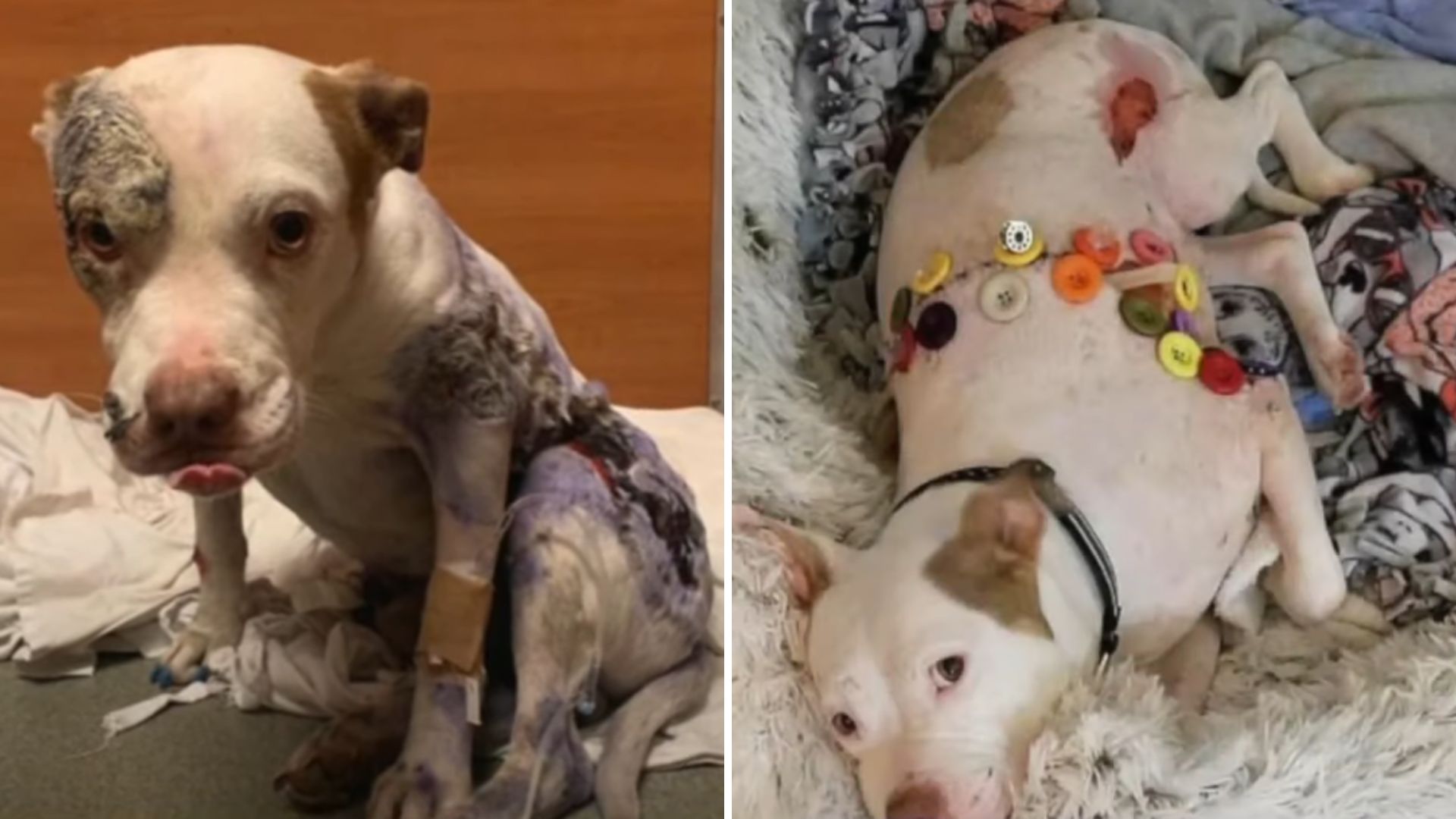
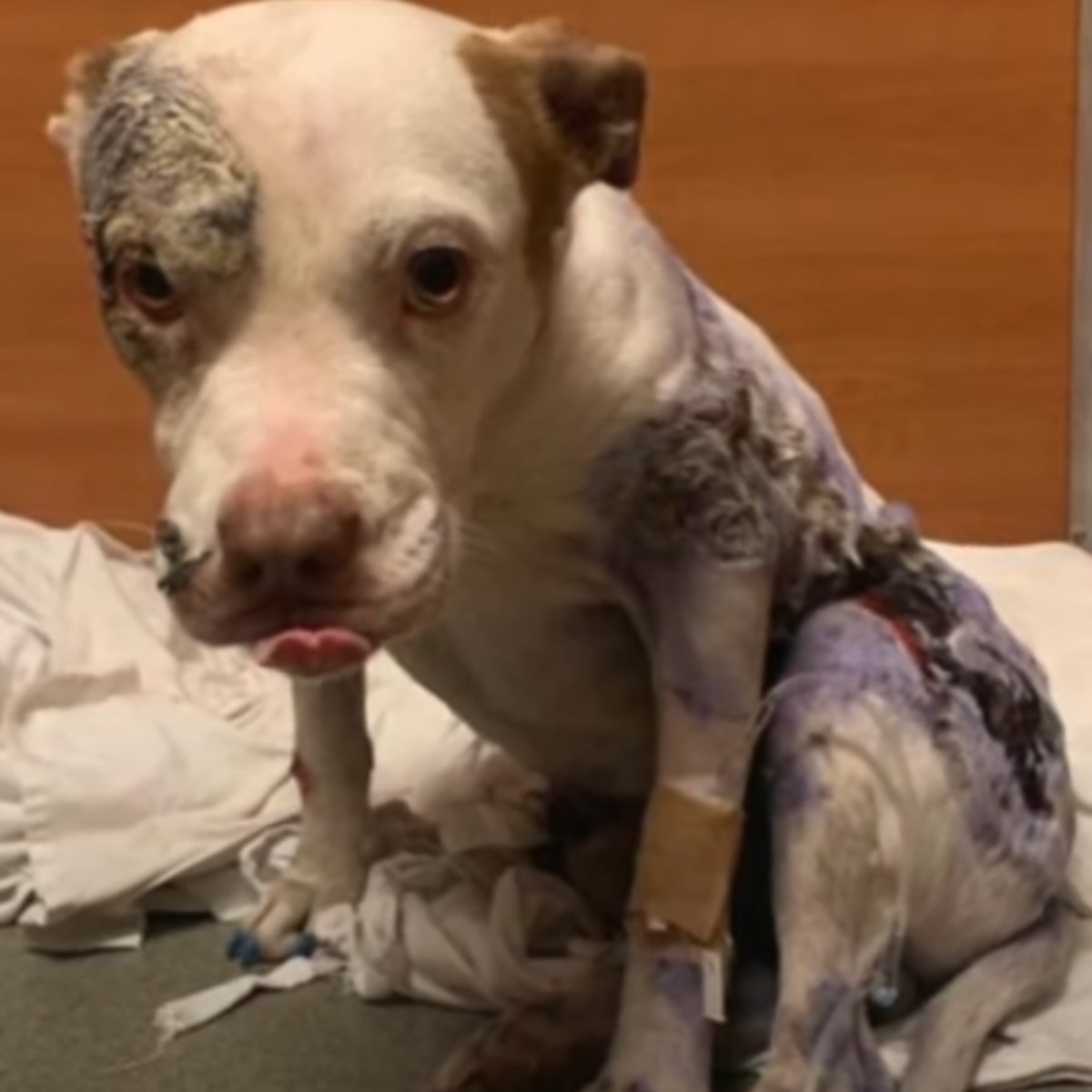
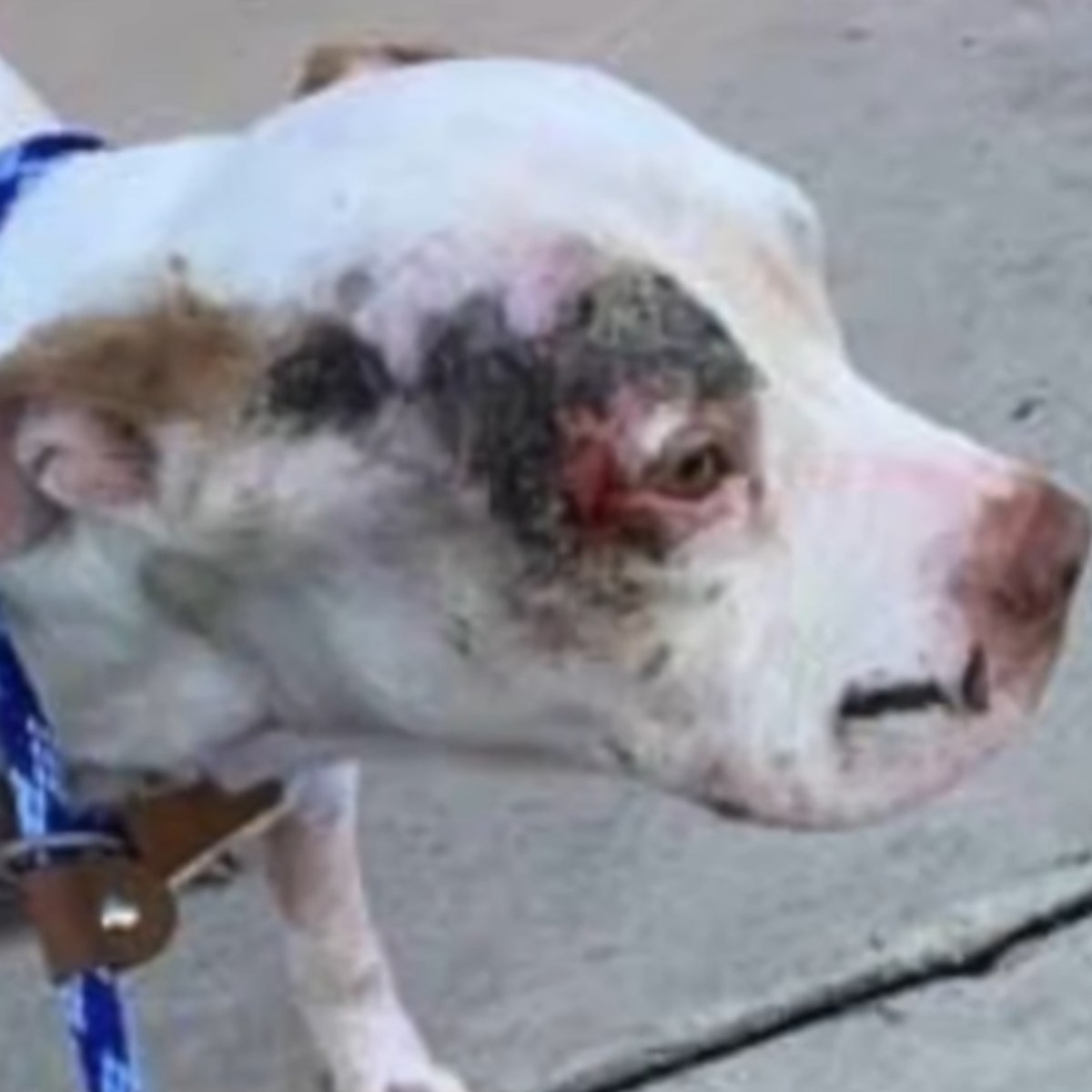
Initial examination revealed catastrophic trauma. The local veterinarian who first assessed Gabriel described his case as among the worst he had encountered. The animal’s body was marred with scars and open injuries that hinted at repeated, deliberate harm rather than accidental injury.
“The pattern suggested extended suffering and restraint; this was not a single incident,” the attending clinician later summarized.
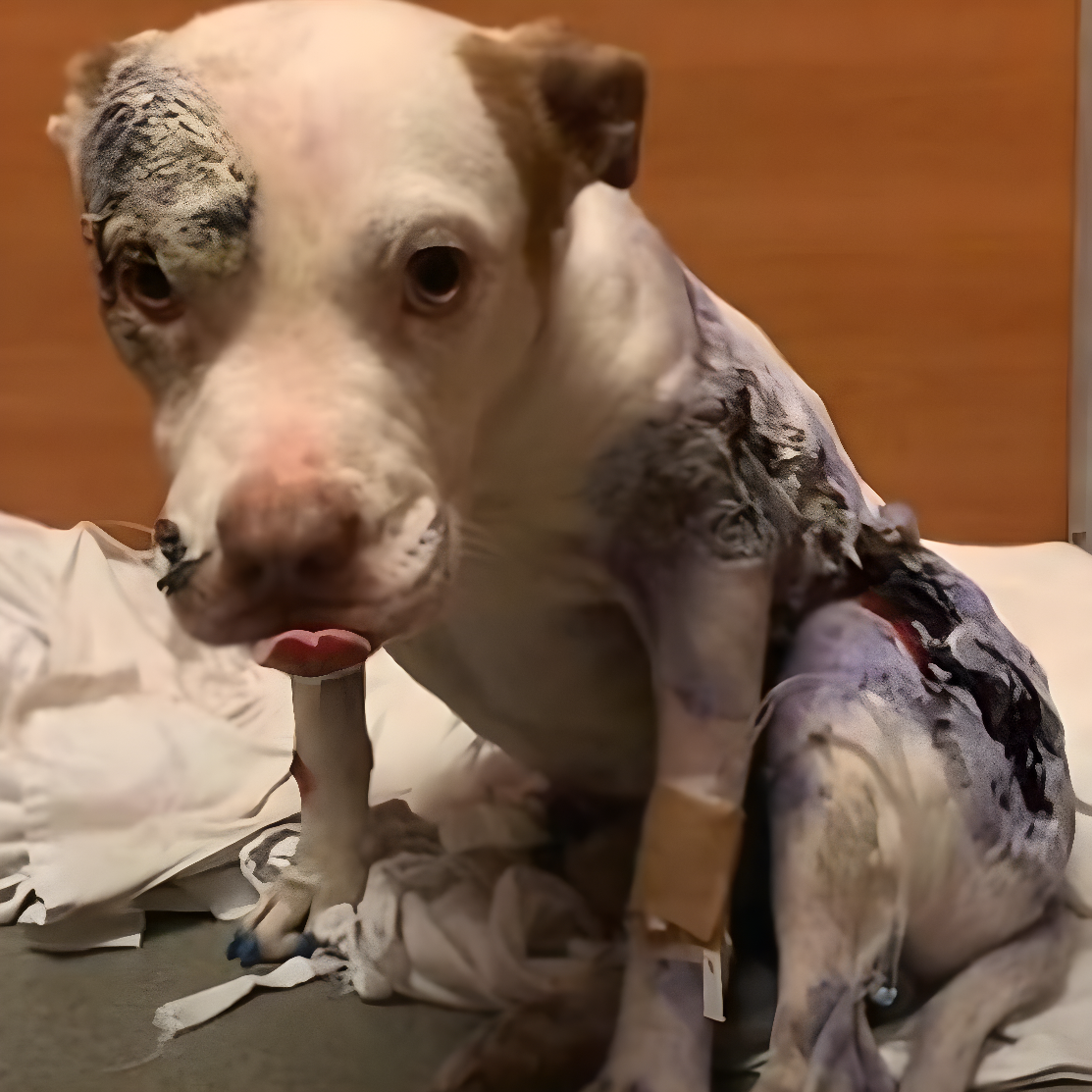
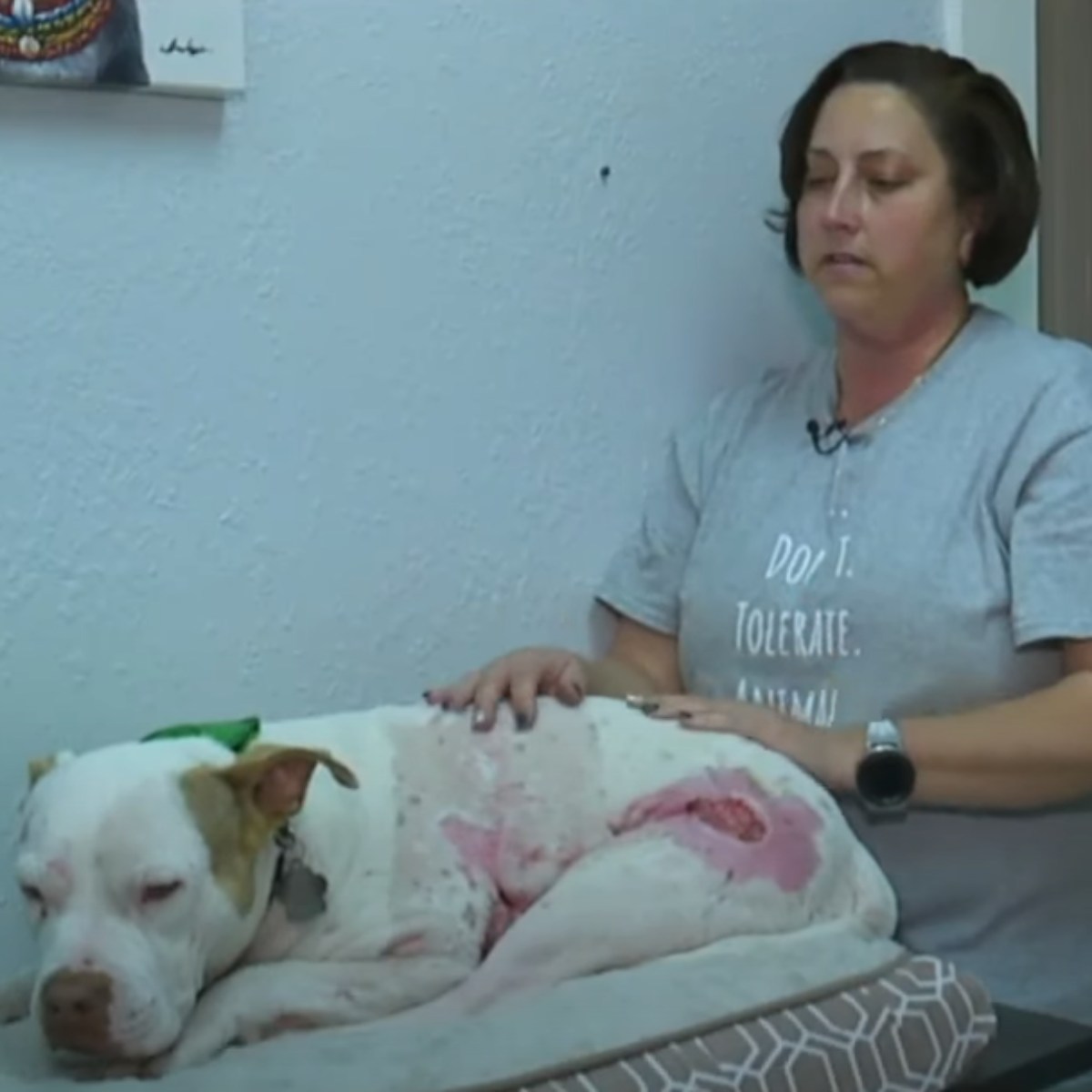
When a rescuer connected with a regional animal welfare group learned of Gabriel’s plight, she immediately mobilized transport to a clinic where specialized care could begin. Tests and close inspection exposed a harrowing diagnosis: corrosive burns covered roughly 60% of his skin, accompanied by pervasive infection and systemic stress.
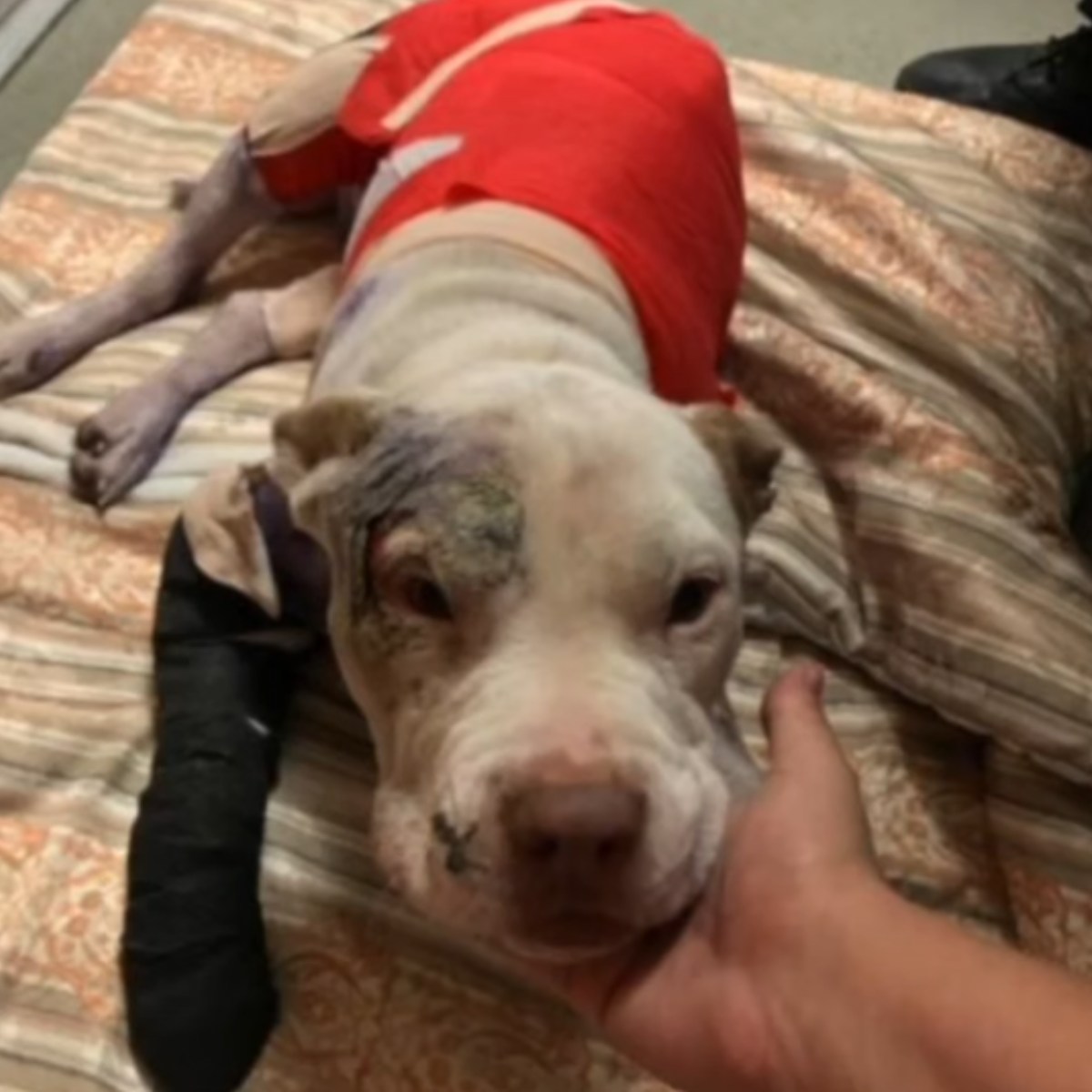
Complicating matters further were skeletal injuries. Both hips were found dislocated and the injury patterns suggested repeated blunt-force trauma, likely from a hard instrument. The medical team classified the damage as deliberate and extreme, and the animal’s recovery would require months of intensive care.
Medical interventions were extensive and costly. Over a six-month period Gabriel underwent numerous procedures—skin grafts, wound debridement, staged closures and a specialized technique that used external tensioning devices to draw damaged tissue together after severe infection prevented conventional suturing.
- Skin grafts to replace destroyed tissue
- Infection control with prolonged antibiotics
- External button-and-tension systems to aid closure
- Orthopedic plans for later hip reconstruction
“We faced wounds that would not heal with conventional sutures; we had to relieve tension and allow tissue to regenerate before final reconstruction,” the surgical team explained.
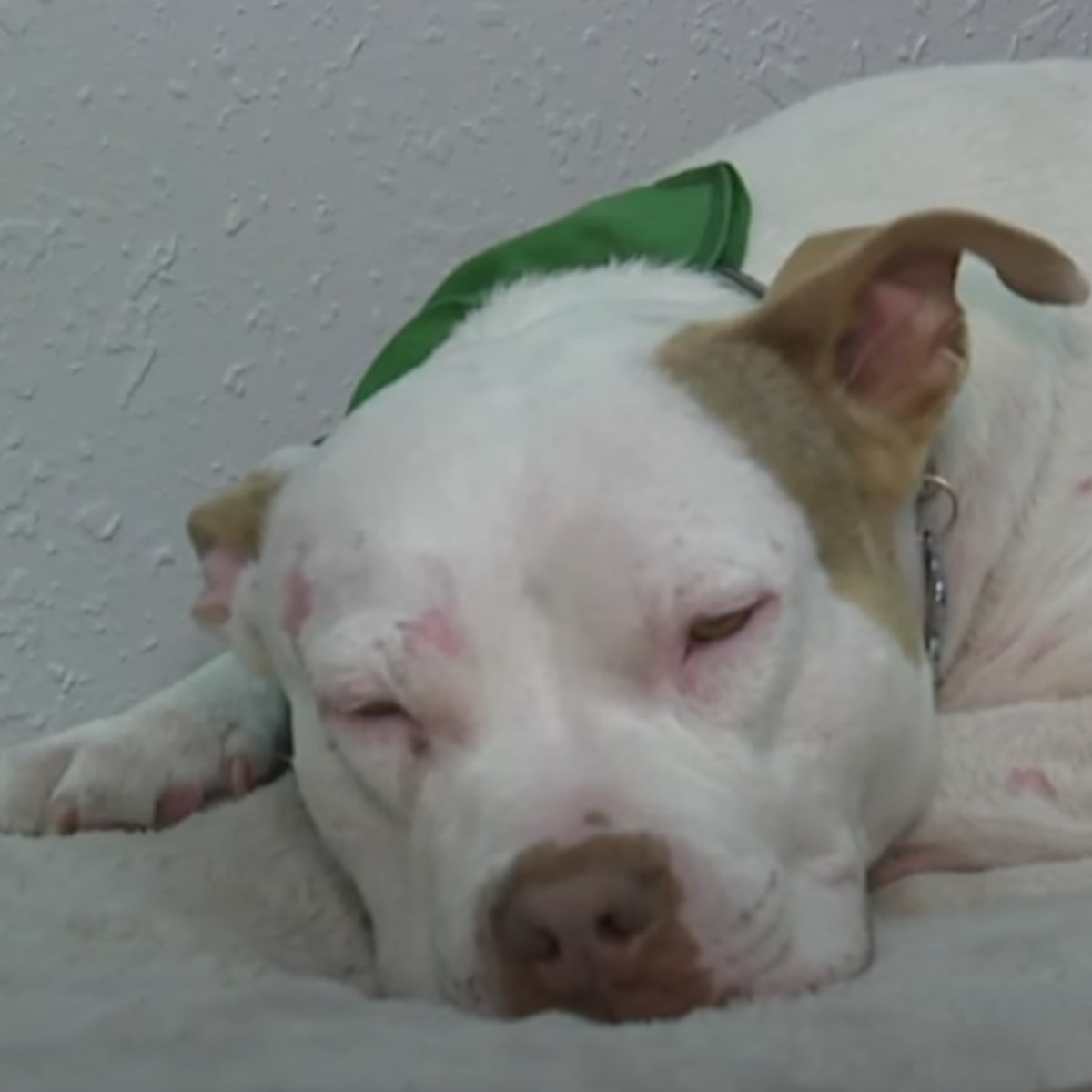
Despite the physical devastation, Gabriel displayed signs of an indomitable spirit. Each dressing change and stitch was met with patience and a gradual easing of fear. As weeks passed, areas of his skin began to close and his demeanor softened—his eyes, once haunted, started to show trust.
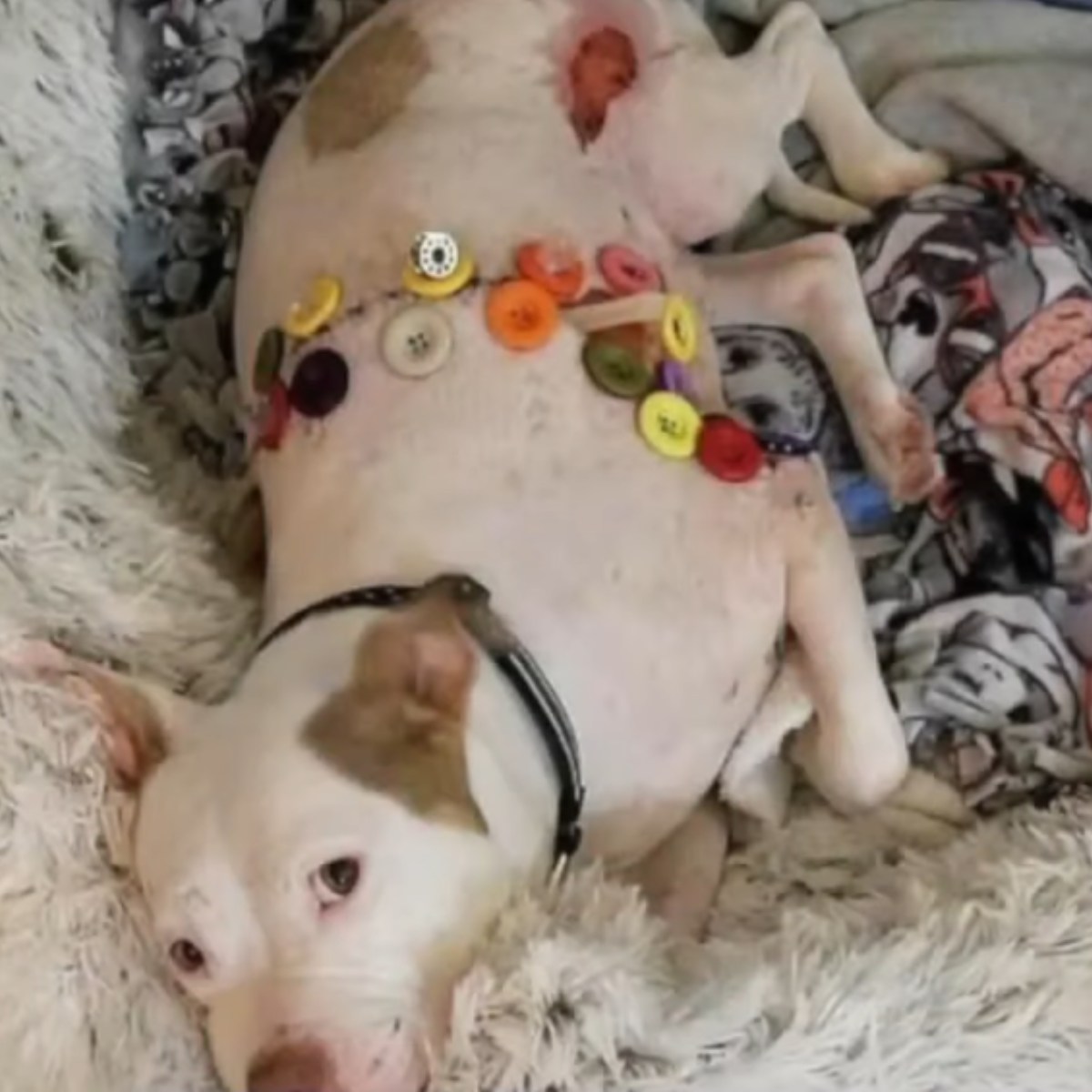
Following acute stabilization, Gabriel entered a foster home where his daily needs and emotional rehabilitation became the focus. His foster caregiver committed to his long-term wellbeing and to ensuring his story did not disappear into the system.
Legal and community response
When authorities initially closed the criminal file related to Gabriel’s injuries, his foster refused to accept that outcome. She launched a public petition calling for renewed accountability and for prosecutors to review the matter; the petition rapidly attracted thousands of signatures. Local rescue advocates have also requested the State Attorney’s office to reopen and pursue the investigation.
- Community petition amassed over 6,500 supporters
- Rescue organization pressed the prosecutor’s office for action
- Ongoing medical fundraising to support future surgeries
Though Gabriel has made remarkable progress, additional surgeries remain necessary: scar revision, further soft-tissue reconstruction and orthopedic procedures to address his damaged hips. The road ahead will be long, but his caregivers report steady improvement in mobility and comfort.
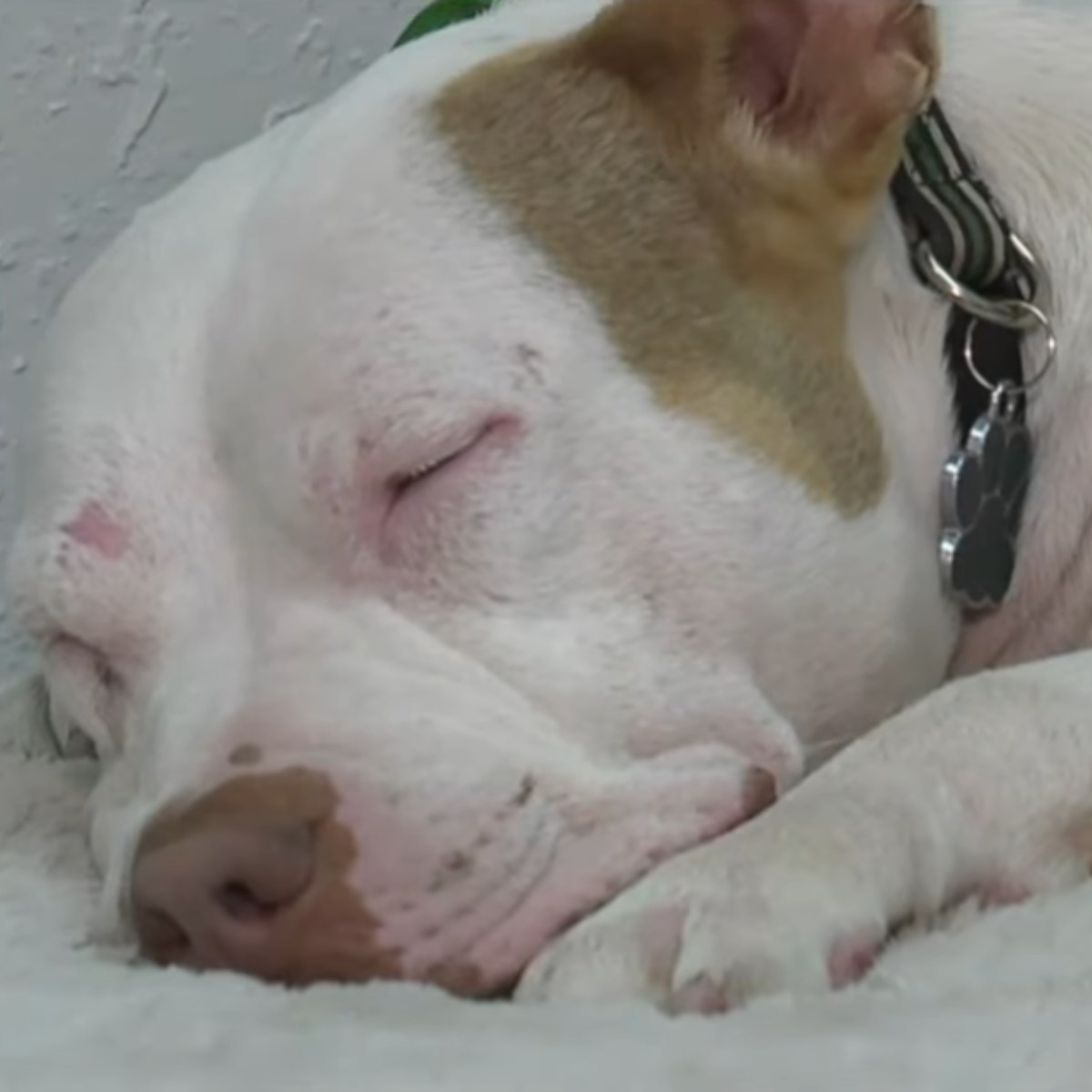
“He will carry physical reminders of what happened, but he’s proving that resilience, good medicine and committed people can rewrite a future,” his foster concluded.
Summary and takeaway
Gabriel’s experience underscores the devastating impact of intentional animal abuse and the critical role that rapid rescue, specialized veterinary care and community advocacy play in recovery. From corrosive burns and dislocated hips to months of surgeries costing tens of thousands of dollars, his case demonstrates both the costs of cruelty and the power of intervention. While legal closure remains unresolved, Gabriel’s medical team and foster family continue to care for him and press for accountability. His journey from severe injury to a rehabilitated, hopeful dog is a testament to perseverance and compassion.
Key points:
- Severe, deliberate injuries required extensive medical and surgical care.
- Medical treatment spanned months and cost over fifty thousand dollars.
- Community advocacy produced thousands of petition signatures and ongoing legal pressure.
- Further surgeries are planned, but Gabriel’s recovery continues under dedicated foster care.
Gabriel’s story is still unfolding, but his progress offers a hopeful example: with expert treatment and steadfast human allies, even the most damaged survivors can reclaim a life of safety and affection.