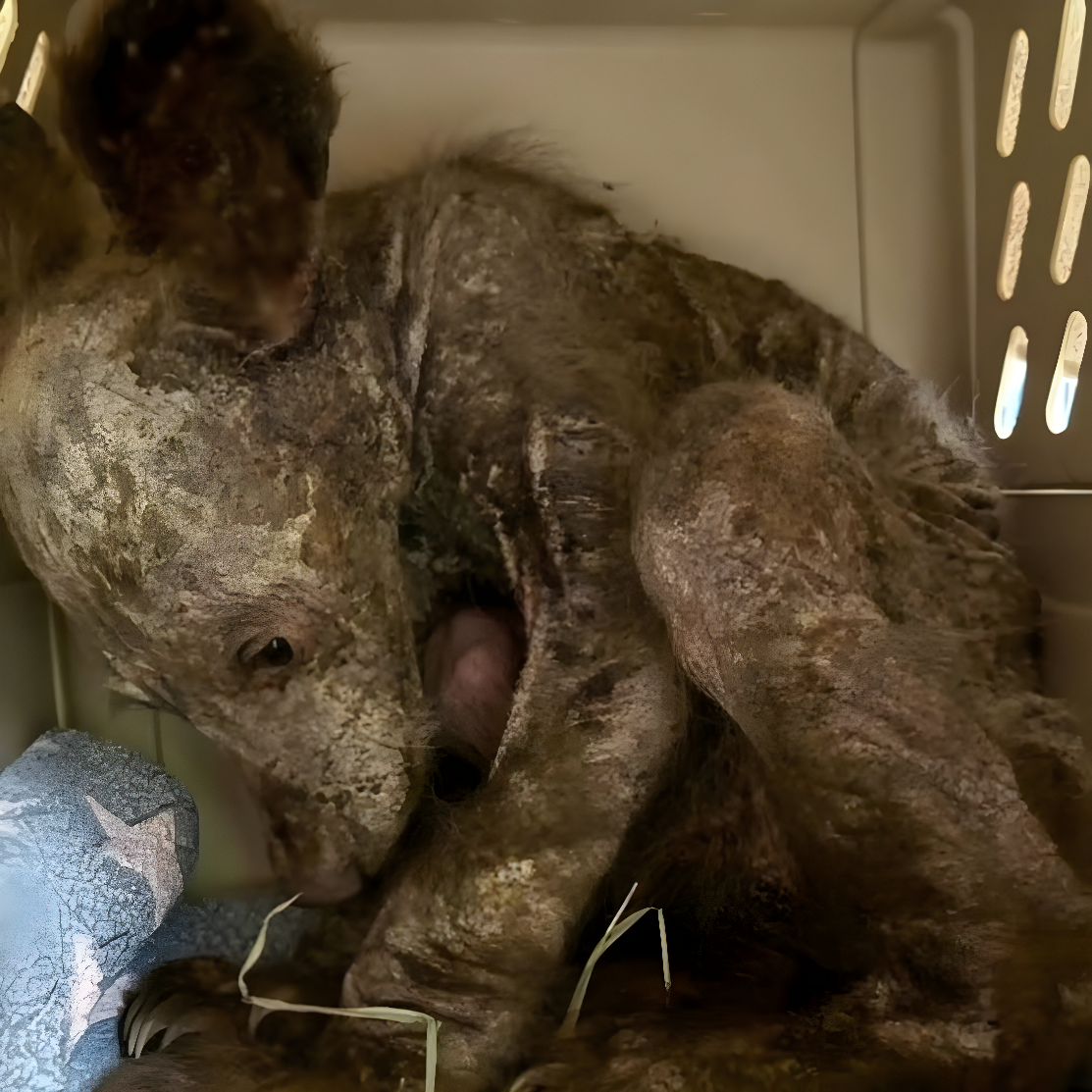
 In early December, wildlife rehabilitators in Northern California encountered an exceptionally fragile orphaned black bear cub. Found alone in El Dorado County and transported to a specialized center in North Auburn, the youngster arrived emaciated, dehydrated, anemic and battling a severe dermatological infection. He sat withdrawn in his transport crate, eyes focused on his disproportionately large paws — a tiny animal overwhelmed by illness and isolation.
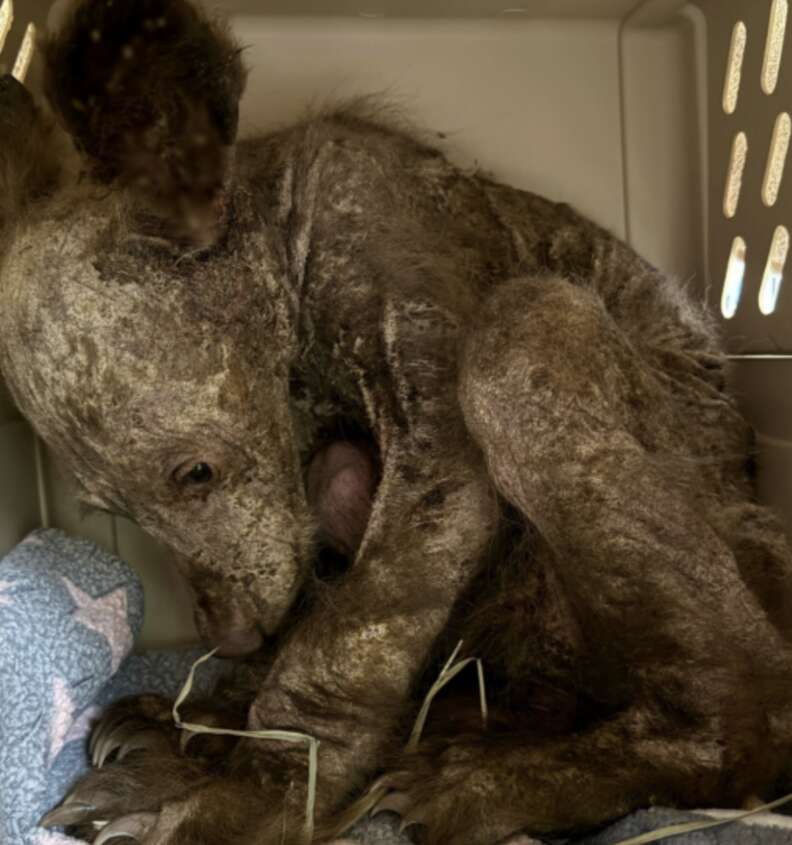 Staff at the rescue performed a full veterinary assessment and designed an intensive care regimen tailored to his needs. The prognosis was uncertain, but the team committed to every available treatment to restore his health and preserve his wild instincts.
“It was devastating to find such a young animal in critical condition,” a representative from the rescue said, noting their determination to nurse him back to strength.
Care plan highlights:
- Fluid therapy and nutritional support to correct dehydration and anemia
- Topical and systemic treatment for the skin infection
- Minimal human interaction to maintain natural behaviors
After several weeks of consistent treatment, the cub began to show visible improvement. Fine hair started returning to his muzzle — a subtle but telling sign that his body was recovering and re-establishing its natural defenses.
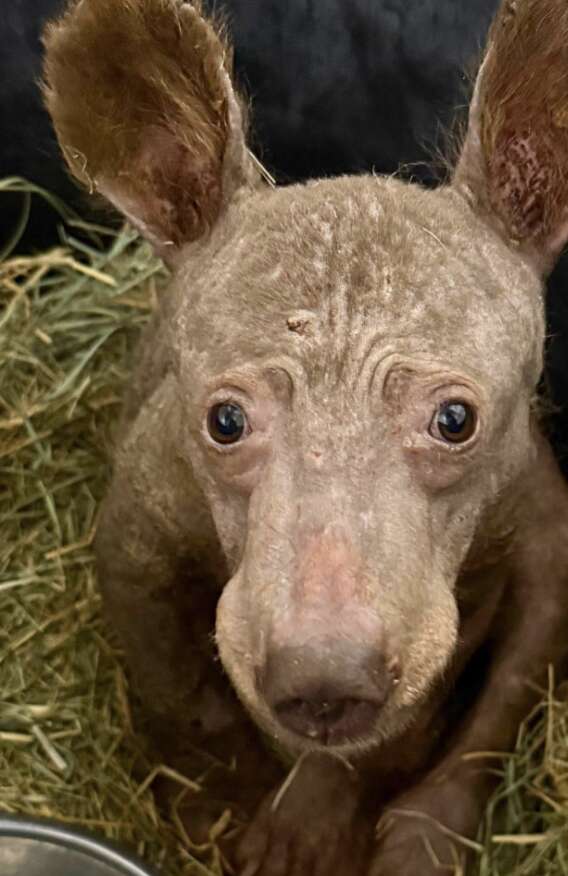 As time progressed, caregivers observed more energetic and inquisitive behavior. Enrichment items were introduced into his enclosure — a shallow pool for splashing, suspended hammocks fashioned from hose, and other stimuli designed to encourage play and physical conditioning while reducing direct contact with people.
Why reduced contact matters:
- Preserves the animal’s natural wariness of humans
- Improves prospects for successful release into wild habitat
- Reduces risk of human-dependent behaviors developing during recovery
By February the transformation was dramatic: the cub’s appearance had shifted from fragile and hairless to fluffy and robust — so much so that staff described him as almost unrecognizable from the one they had admitted months earlier.
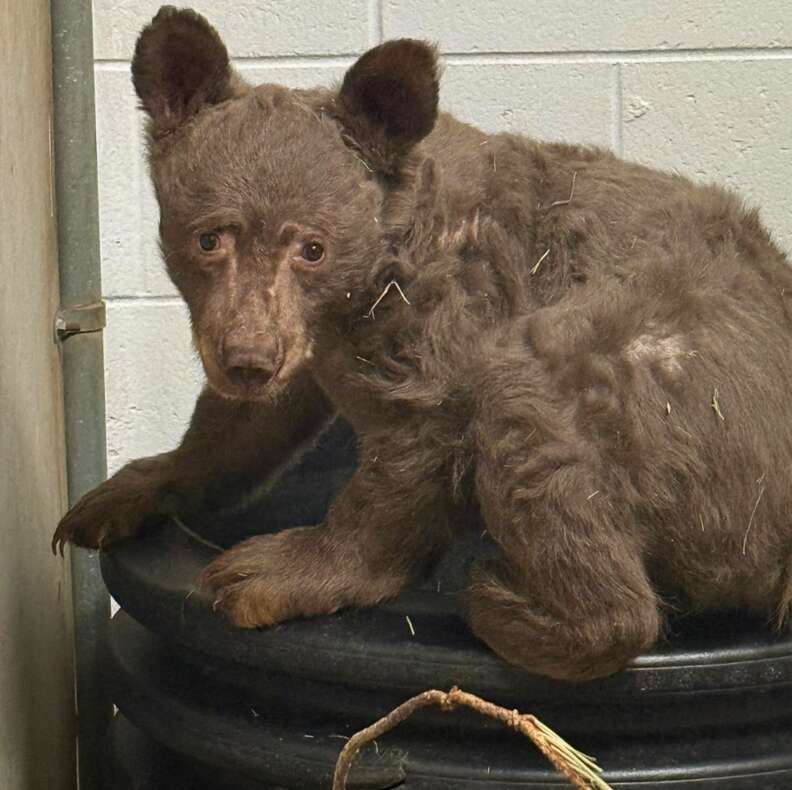 “We are continually astonished by the resilience of the animals we care for; this cub’s recovery ranks among the most remarkable we’ve witnessed,” the rescue team reported, reflecting both professional pride and relief.
“He initially barely resembled a bear — now he’s regained his fur and his wild instincts, which gives us real hope for his future,” staff added.
Final decisions about the cub’s fate will be made in coordination with state wildlife authorities, who will determine whether he can be released back into suitable habitat or should be placed in a managed sanctuary. Regardless of the outcome, the rehabilitators emphasized their focus on the animal’s best interests and long-term welfare.
Meanwhile, in a separate rescue hundreds of miles away, another animal’s life turned when compassionate strangers stopped along a busy Missouri roadway.
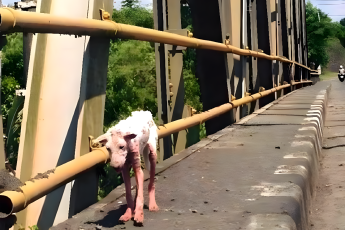
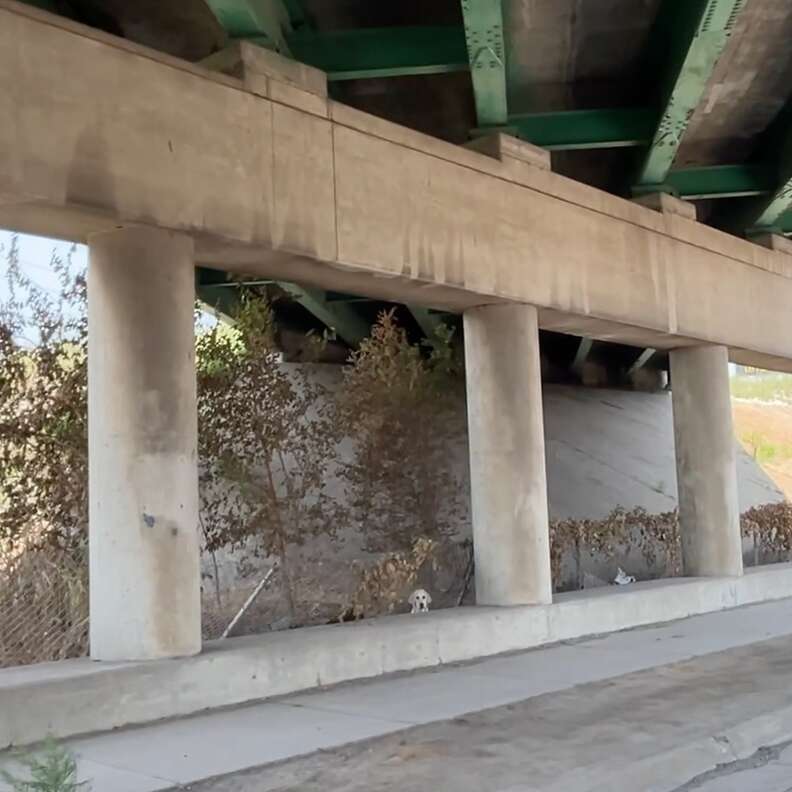 During a routine response to a report of an animal in distress, a rescue crew discovered a small, pale-coated dog crouched beneath a highway overpass. The pup remained motionless despite the thunder of vehicles above him, clearly alone and without access to food or water.
The team approached carefully and were able to coax the frightened animal into a leash and to safety. Once transported to the rescue’s facility, he received a full veterinary evaluation and a generous outpouring of attention from staff and volunteers. Health checks suggested he was roughly three years old and likely a Pyrenees-type mix; fortunately, there were no major medical issues that prevented him from entering foster care.
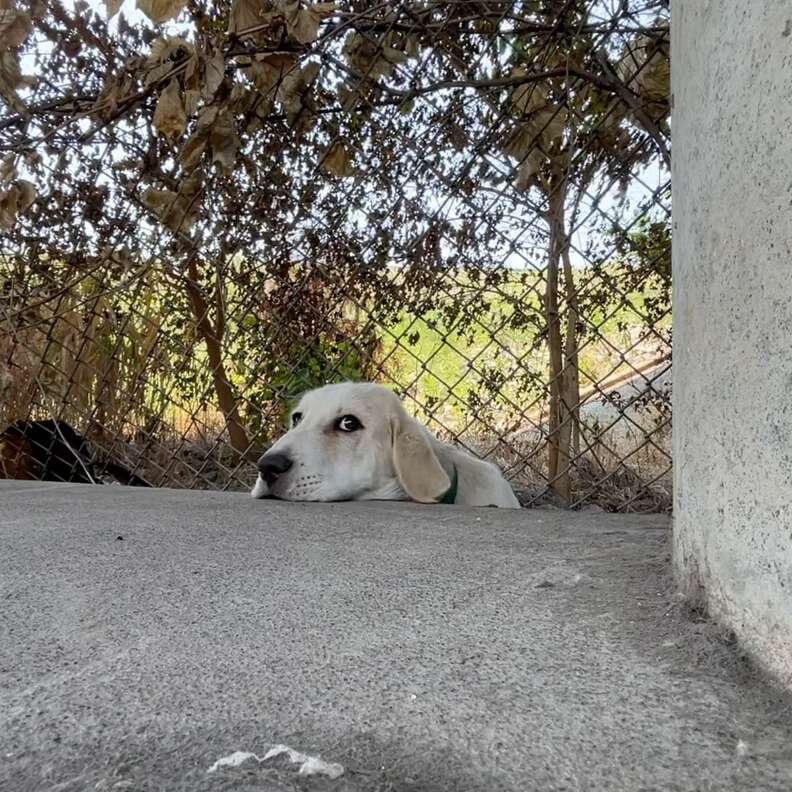 Placed with foster caregivers George and Vicki Dunn, the dog — now affectionately called Remi — began to open up. Under patient handling, he revealed a playful, affectionate temperament and quickly bonded with the household.
Remi’s progress checklist:
- Stabilized medically and cleared for routine care
- Socialized in a foster home environment
- Scheduled for sterilization before permanent placement
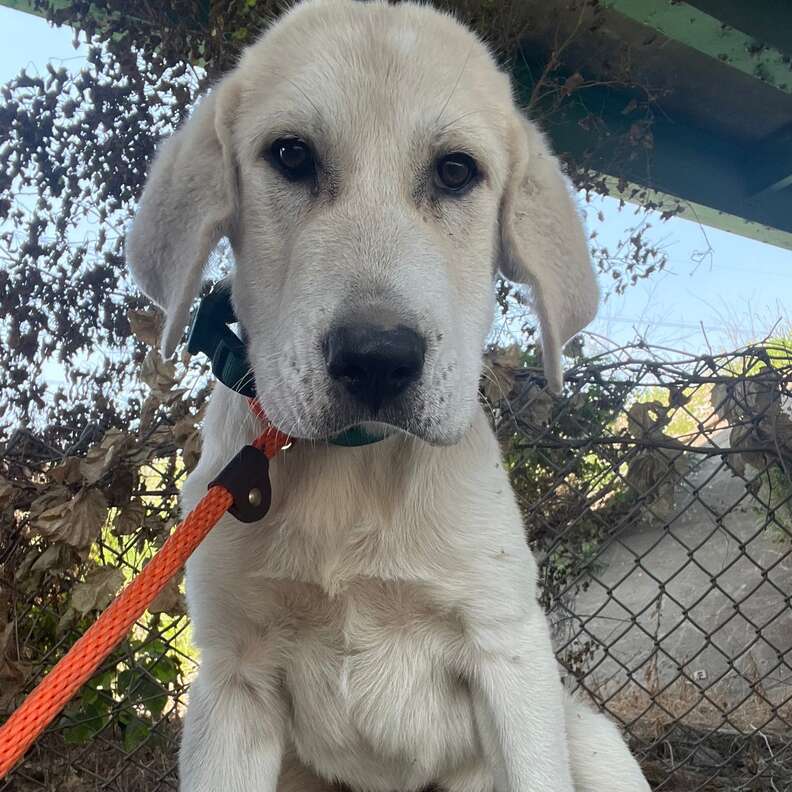 The foster family reported that Remi has become more playful and confident with each day. Prospective adopters have already expressed enthusiasm, and those involved in his care say he’s receiving an abundance of affection and support.
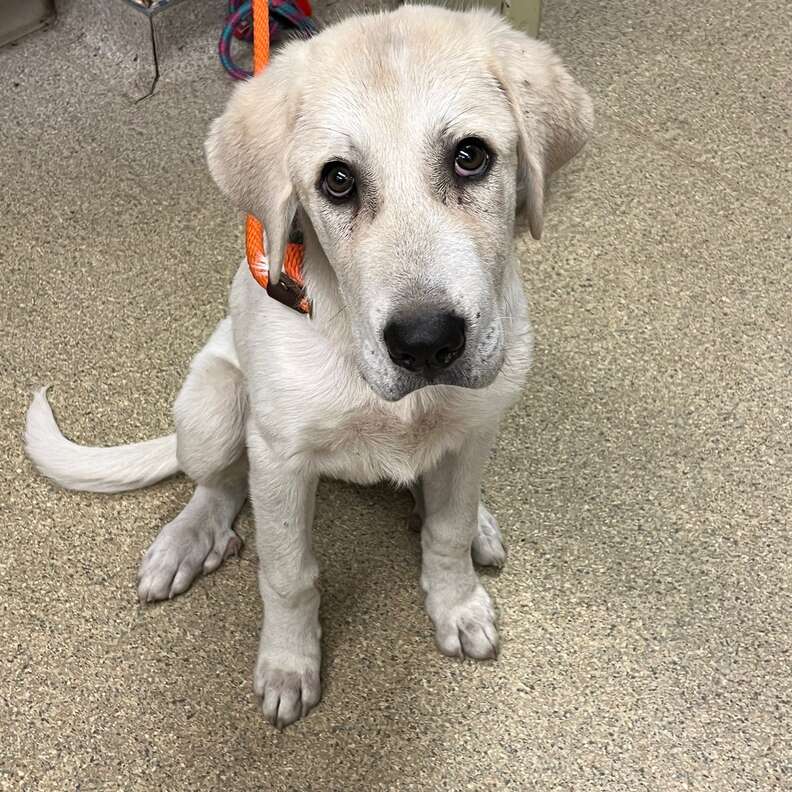 “He’s been welcomed into a loving household and is thriving,” the foster team shared, celebrating the dog’s rapid turnaround from lonely roadside survivor to a cherished companion in waiting.
Conclusion
Two very different rescues — an orphaned, hairless black bear and a frightened dog found beneath an overpass — illustrate how targeted veterinary care, thoughtful enrichment and minimal human imprinting can restore health and preserve natural behaviors. Both cases highlight the vital role of specialized rehabilitation teams and compassionate foster families in turning crisis into recovery. While state officials will determine next steps for the bear and the dog awaits final adoption procedures, each animal’s journey underscores a shared outcome: with timely intervention and steady care, vulnerable wildlife and domestic animals can regain health, confidence and hope for the future.
Support your local wildlife and animal rescue organizations to help more animals receive the care they need.