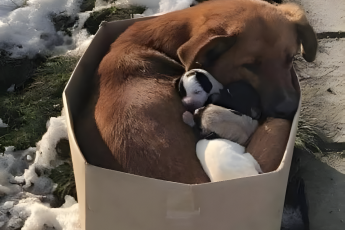
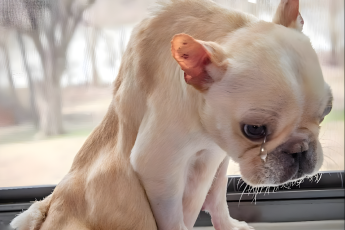
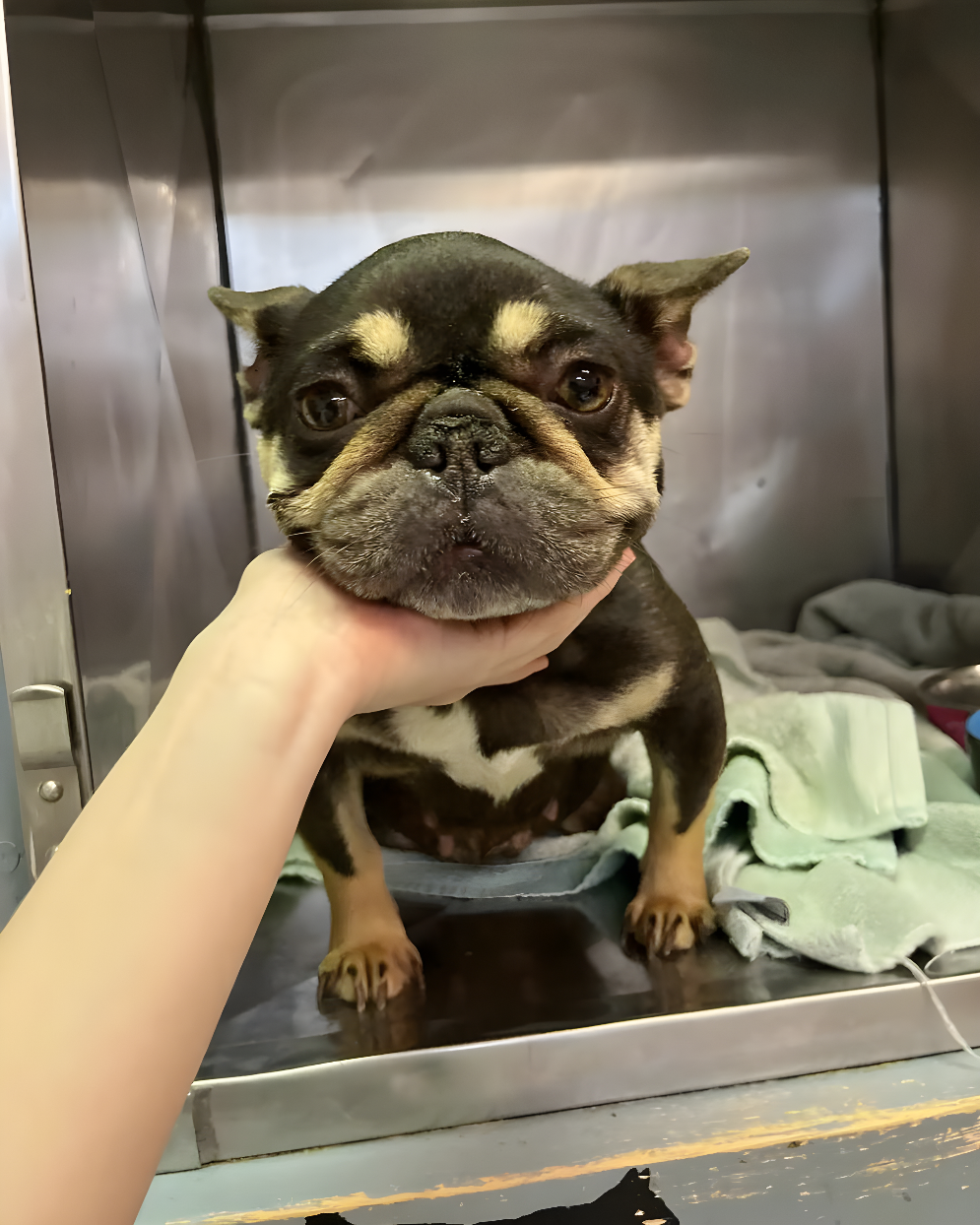
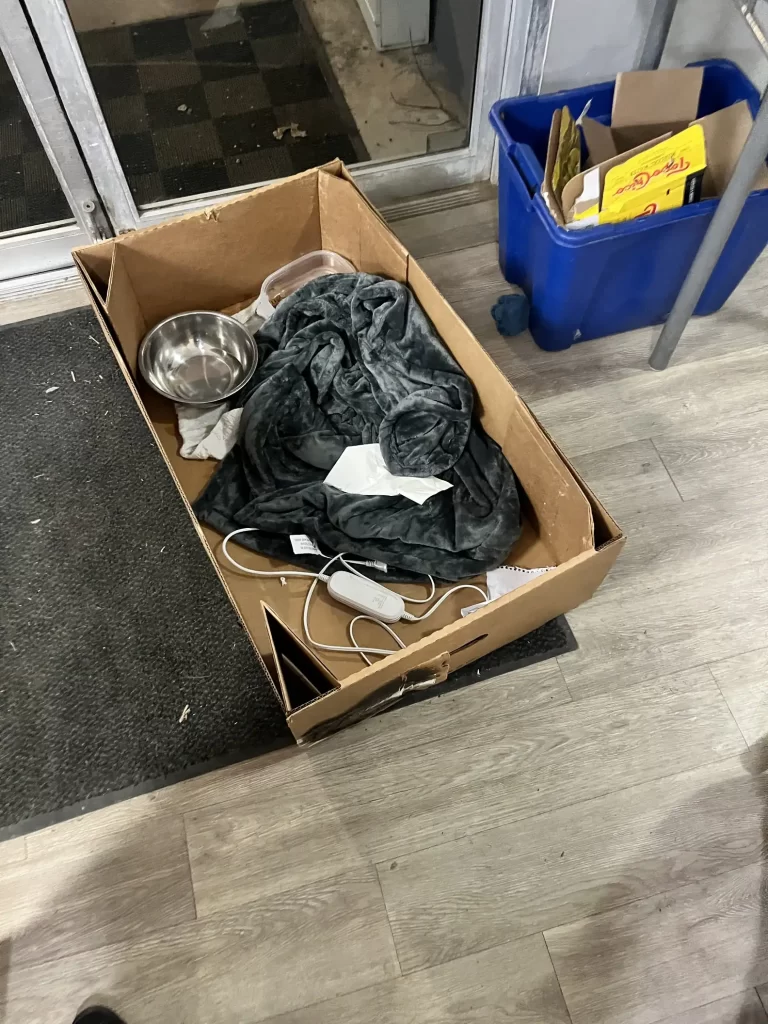
 On an otherwise calm morning in Austin, a shelter worker arrived for her shift and discovered an unexpected sight at the clinic entrance: a small cardboard container that had been left for staff to find. When she lifted the lid, a tiny French bulldog looked back with bewildered eyes—alone, frightened, and accompanied only by a short handwritten note.
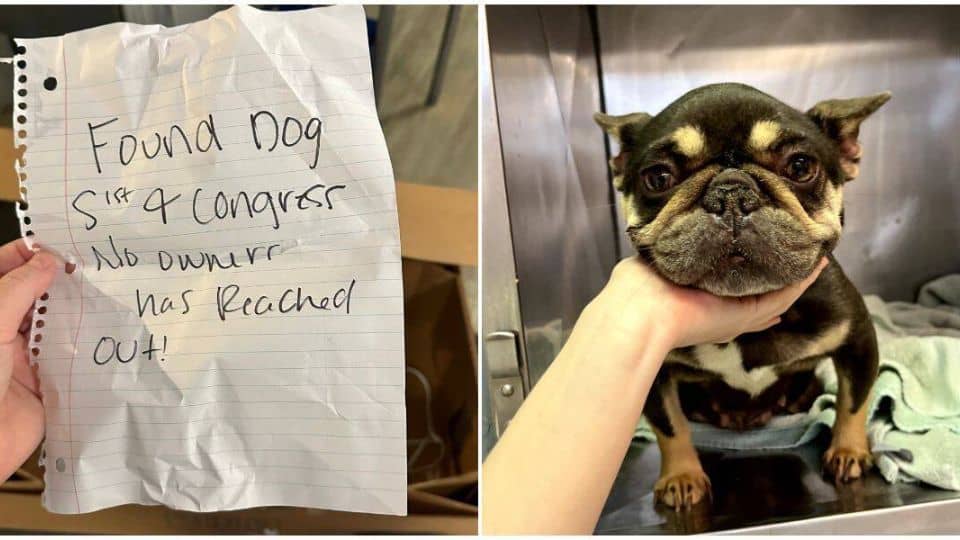
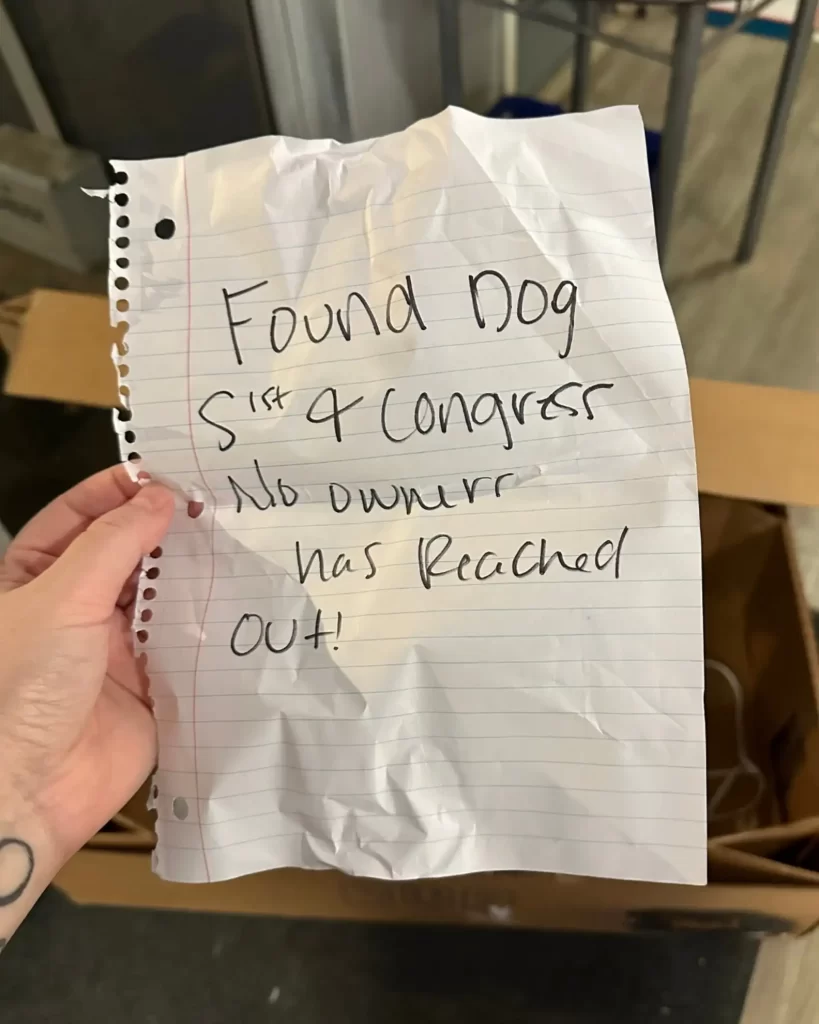
What the note said: “Found Dog S. 1st & Congress. No owner has reached out.” The person who placed the dog made no attempt to identify themself, but the message implied a desperate hope that someone at the rescue would intervene.
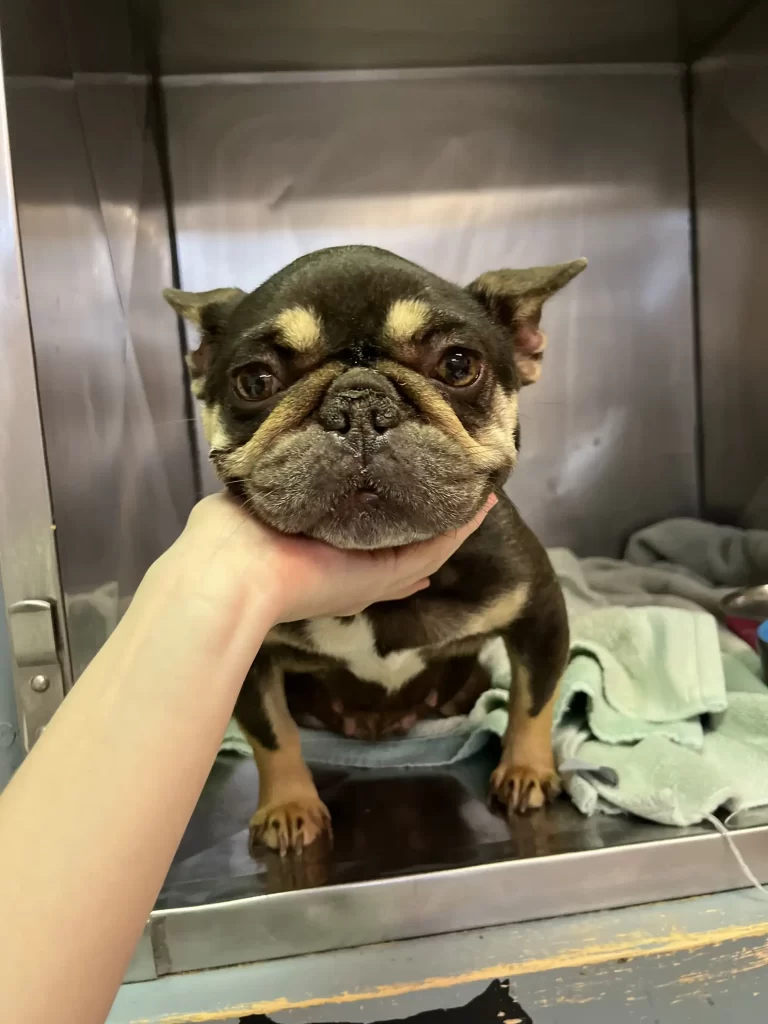
The tiny dog—initially called McNugget by staff—was taken straight inside and examined. Veterinary tests quickly exposed a severe neurological problem: a herniated disc and a degenerative spinal condition known as spondylosis had left her unable to move her hind limbs. The realization that she had been abandoned, too weak to climb out of her box, moved the team to immediate action.
Immediate steps taken by the rescue:
- Emergency medical evaluation and pain management
- Placement in a quiet foster setting for rehabilitation
- Ongoing physical therapy and monitoring
The rescue’s staff refused to treat her as merely tragic. Instead, they focused on comfort, mobility support, and building trust. In foster care she showed remarkable spirit: she greeted people with tail wags, sought affection, and responded warmly to gentle handling. Her resilience reframed the situation from abandonment to one of potential recovery.
Because the shelter is not open intake, whoever left McNugget likely calculated that staff there would prioritize her safety and care. That anonymous decision ultimately spared her life, proving that even quiet acts can carry enormous consequence.
Weeks after arrival, a family visited the rescue and everything changed. Bailey Guptill knelt to meet the little dog, and an instant connection formed. McNugget scooted toward Bailey with eager energy; in moments she was cradled in loving arms. Adoption paperwork followed soon after, and McNugget joined a permanent home where she would be cherished every day.
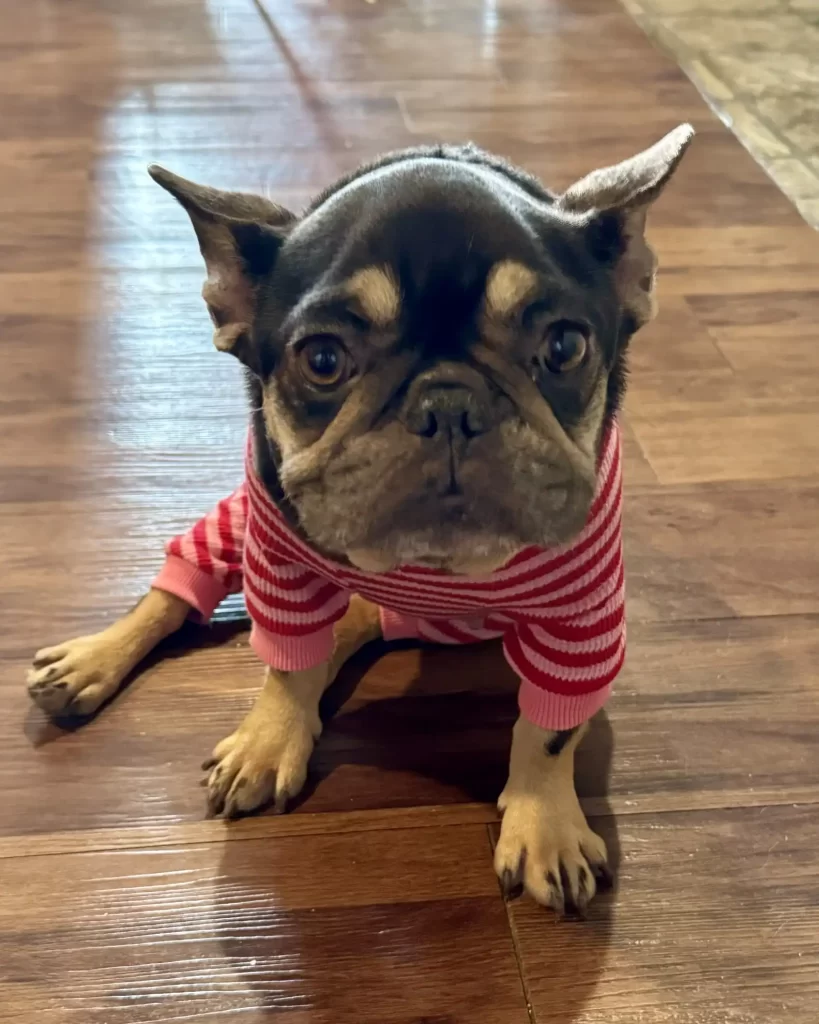
Her new family gave her a playful, fitting name: Shrimpina — a nod to her petite frame and bold personality. With the change of name came consistent care, patience, and a safe environment for recovery. Small victories piled up: naps in a sunny spot, enthusiastic responses to toys, and tender lap time during remote work hours.
Keeping track of progress
“She’s the best lap dog ever,” Bailey says, smiling at how Shrimpina brightens each morning with kisses and wiggles.
Under dedicated attention, Shrimpina began attempting to use her hind legs again. The motions are tentative and uneven, but each shaky step demonstrates growing strength and determination. Her daily routine now includes play, affection, and gradual rehabilitation exercises aimed at improving mobility.
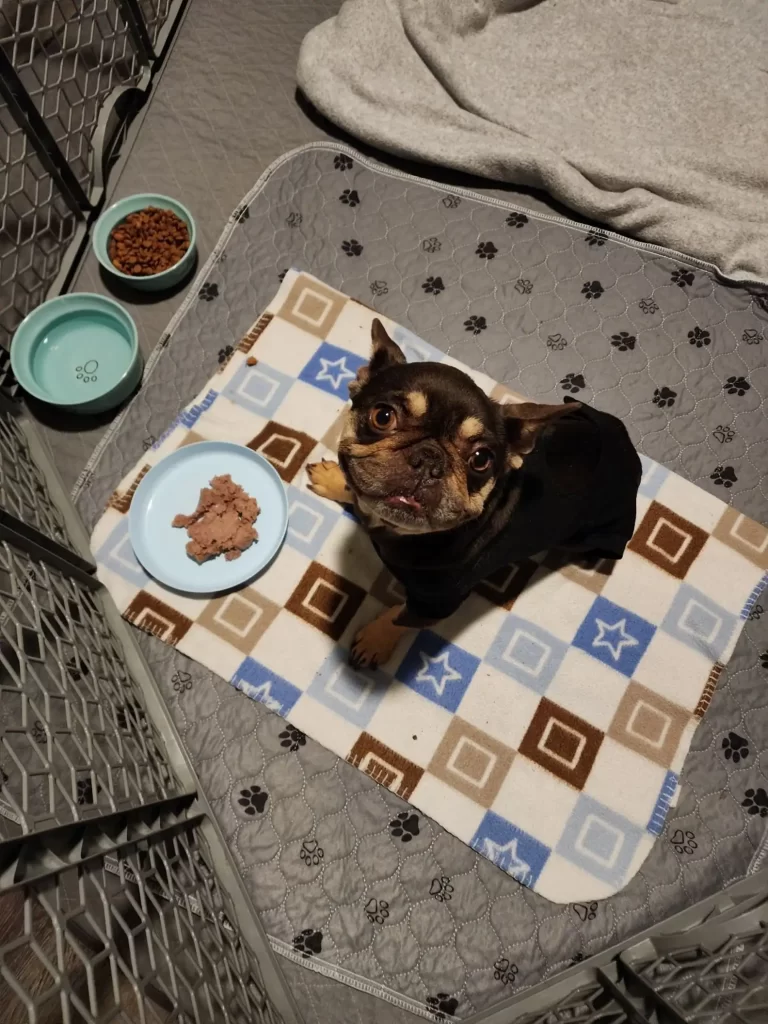
Her transformation underscores a larger truth about rescue work: lifesaving organizations can convert moments of despair into futures filled with love, provided someone intervenes. Without that initial decision to bring her into care, Shrimpina’s story might have ended very differently.
Key takeaways from Shrimpina’s journey:
- Timely intervention by rescue personnel can save animals who appear beyond help.
- Foster homes provide not just shelter but crucial emotional and medical rehabilitation.
- Adoption can spark ongoing recovery, as stable families enable consistent therapy and devotion.
Conclusion
Shrimpina’s path from an anonymous cardboard drop-off to a warm home highlights the combined power of compassion, veterinary care, and committed adopters. Though she began life with a severe spinal injury that left her paralyzed, attentive rehabilitation and a loving household have allowed her to rediscover mobility and joy. Her story is a reminder that even the smallest survivors can inspire hope and that rescue networks, foster families, and adoptive guardians play essential roles in turning fragile beginnings into thriving lives.