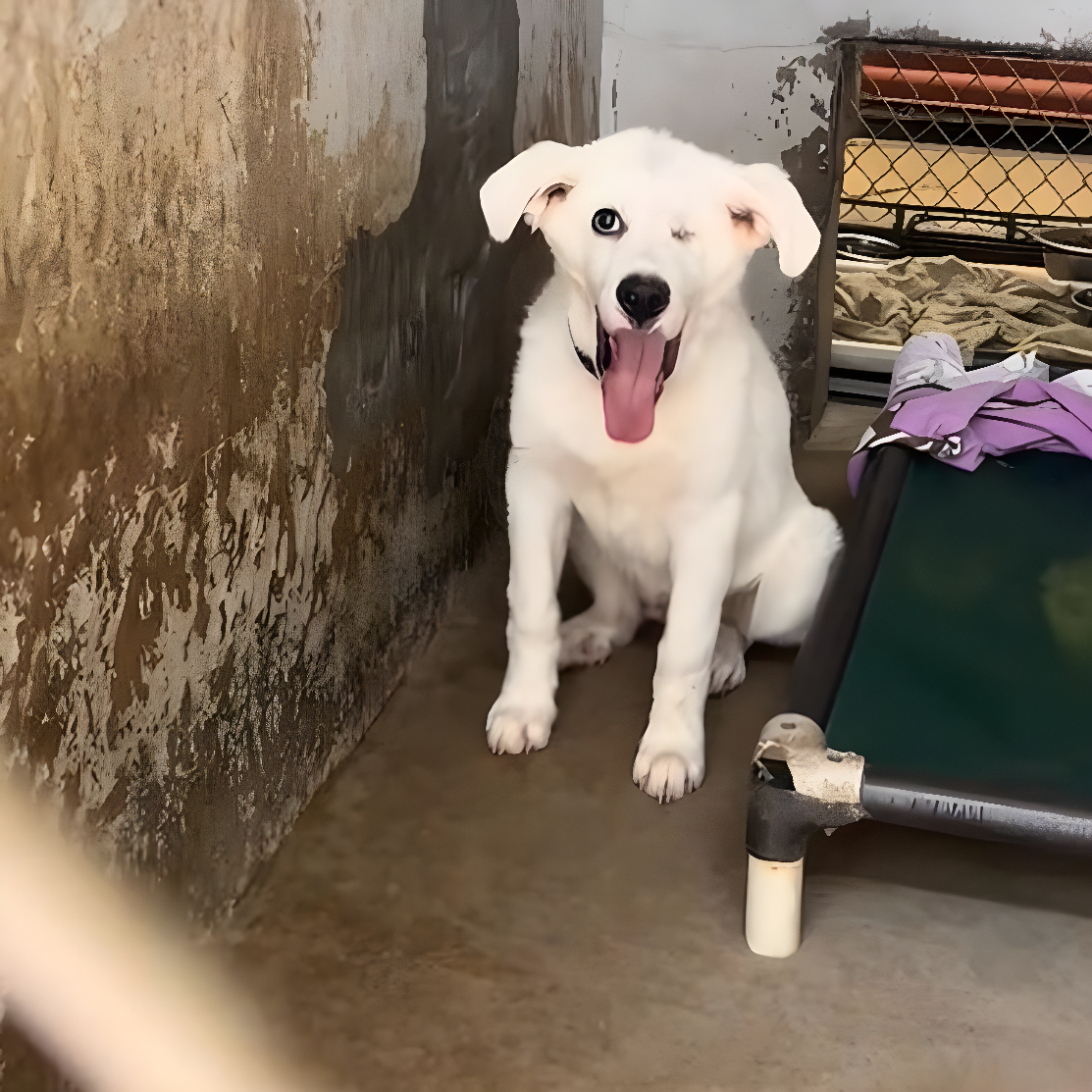
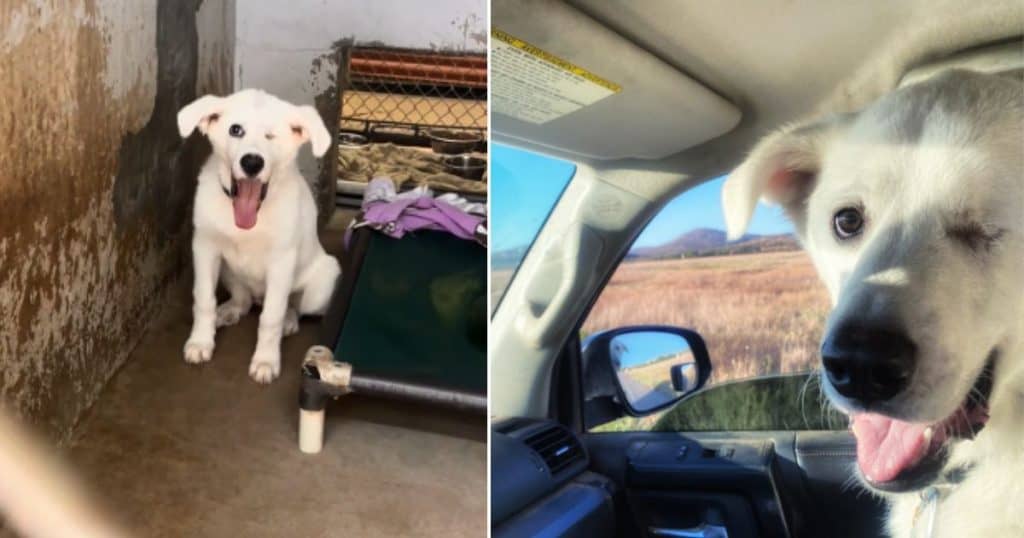
Spinach arrived at Austin Pets Alive! as a tiny, injured pup with a severely damaged eye. Shelter veterinarians removed the nonviable eye to relieve his pain, and his physical recovery began quickly. Yet despite the surgery and the staff’s devotion, Spinach lingered in the shelter for more than 432 days before a permanent family stepped forward.
Volunteer compassion kept his spirits afloat during a very long stay.
“He lit up during play sessions but the loneliness of his kennel took a toll,” recalled a volunteer who watched his mood shift. Staff noticed he ate less and lost weight, so they adjusted routines and feeding strategies to coax him back to health.
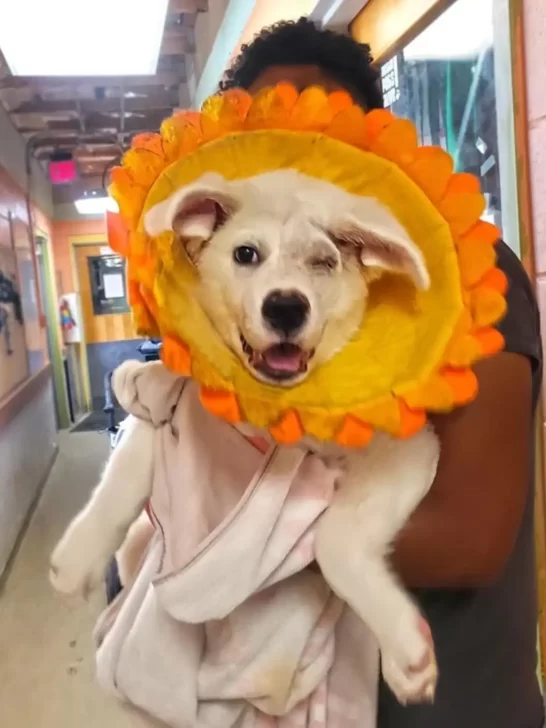
A young dog who never stopped hoping
When Spinach first arrived, he was energetic and eager to interact. In group play he showed a joyful, puppy-like enthusiasm, yet those gleeful moments contrasted sharply with the quiet, withdrawn behavior he displayed in his kennel. The long confinement chipped away at his once-bright demeanor, and staff began to worry his chances of adoption were slipping.
To help him, caretakers tried creative approaches. Over a two-month period, one volunteer routinely offered multiple small meals—sometimes two to four bowls a day—to encourage appetite and stabilize his weight. Little changes like extra socialization and attentive feeding made a measurable difference, but the key factor remained finding a loving household willing to take him in.
Small interventions — big impact:
- Extra playtime with other dogs to stimulate energy
- Additional, frequent feeding sessions to rebuild weight
- Consistent human interaction to restore trust
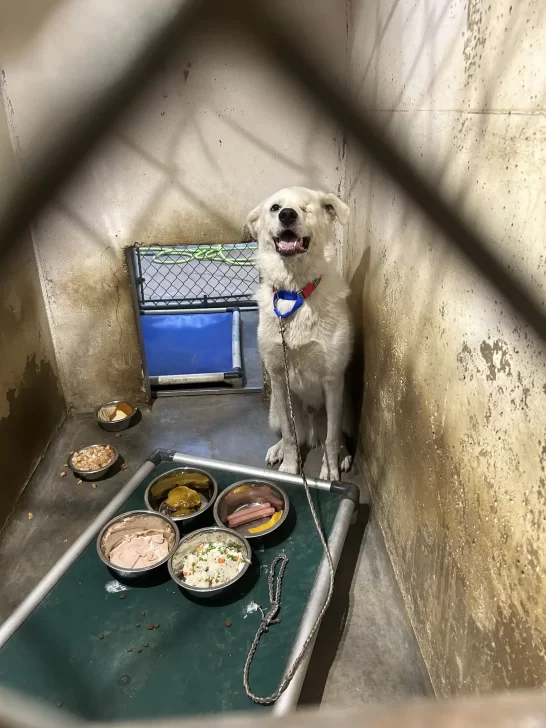
Finding a family across state lines
The shelter amplified Spinach’s story through social channels and outreach, emphasizing both his resilience and how well he interacted with other dogs. That visibility eventually reached a family in Oklahoma who were moved by his journey and decided to adopt him. After more than a year in care, Spinach boarded a trip to his new home where he would at last receive consistent affection and stability.
Adoption milestones:
- Medical stabilization and eye removal
- Behavioral rehabilitation through playgroups
- Long-distance adoption arranged and completed
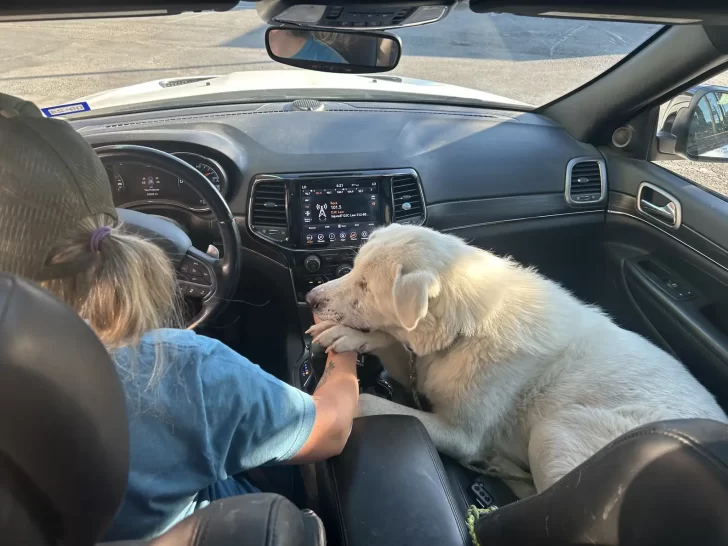
“There were joyous tears and nervous moments as he travelled to Oklahoma,” a shelter volunteer reflected. “We were hopeful but careful — sometimes all a dog needs is one person who believes in them.”
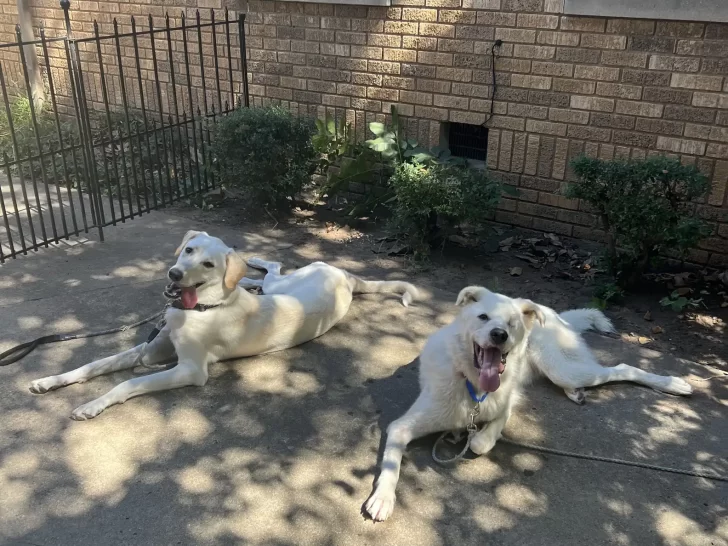
Long wait, better outcome
Now settled into his forever home, Spinach enjoys the attention and security he had been missing. The long wait proved worthwhile: the combination of medical care, persistent volunteer support, and a compassionate adopter transformed his prospects completely.
Key takeaways:
- Timely veterinary care can save and vastly improve an animal’s life.
- Consistent human engagement and creative feeding can reverse the effects of shelter stress.
- Persistent outreach ultimately connected Spinach with a family willing to give him a permanent home.
Spinach’s story is a reminder that patience, inventive care, and advocacy for shelter animals can yield life-changing outcomes. Volunteers form bonds with the animals they nurture, and while letting go is emotional, watching a dog thrive in a loving household is the reward that sustains their work.
Conclusion: After surgery, dedicated rehabilitation, and more than 432 days in care, Spinach finally found a stable, loving home. His journey highlights how medical intervention, steadfast volunteer support, and targeted outreach can turn a long shelter stay into a second chance at life.