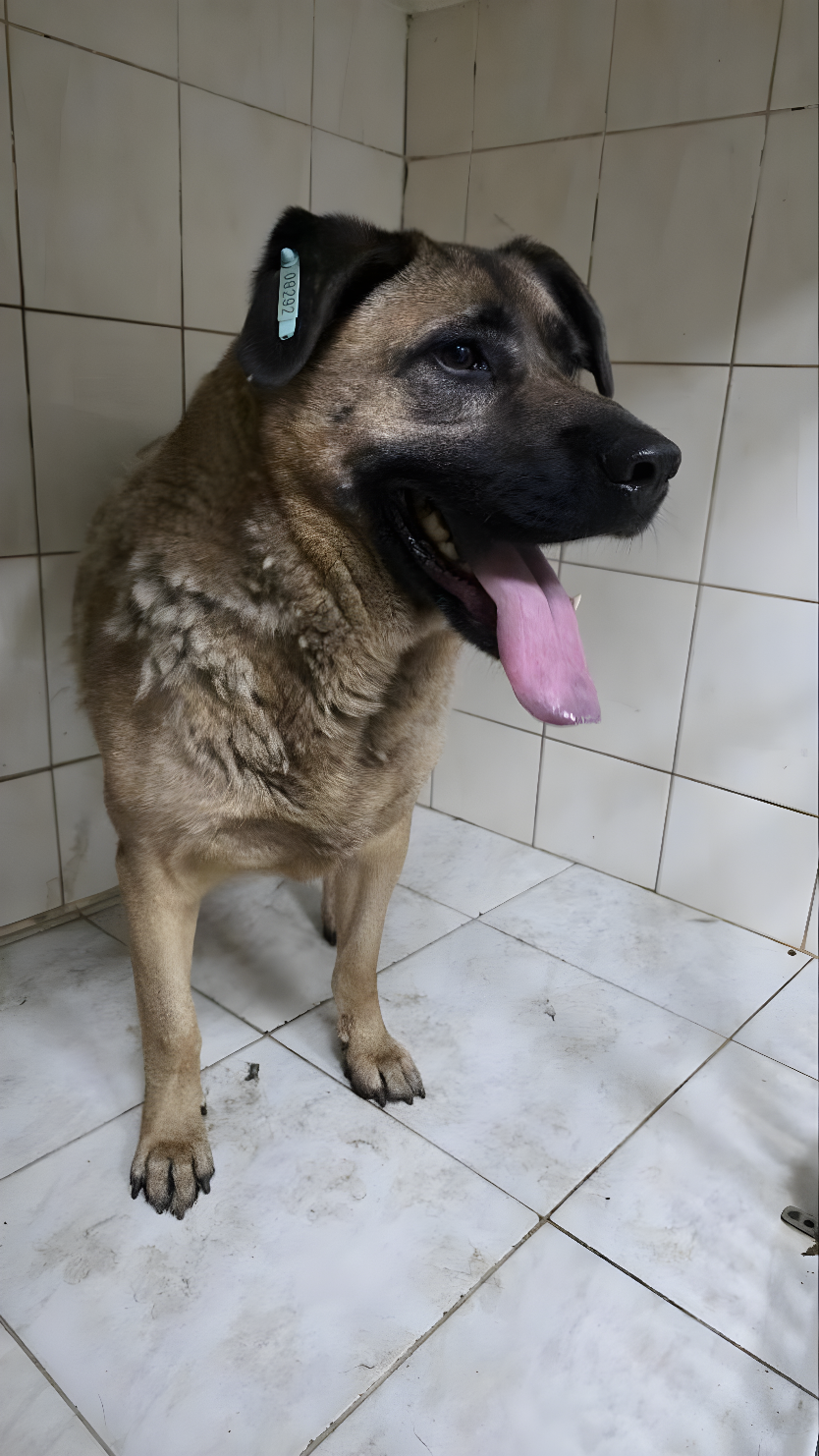
 A familiar street dog known as Misha — long seen near the Teremky metro in Kyiv and often sheltering underground during air raids — has been taken into an animal refuge after city rescuers concluded his life on the street had become dangerously precarious. Volunteers who intervened said the animal faced immediate risks, including possible poisoning, and therefore moved him off the pavement and into care.
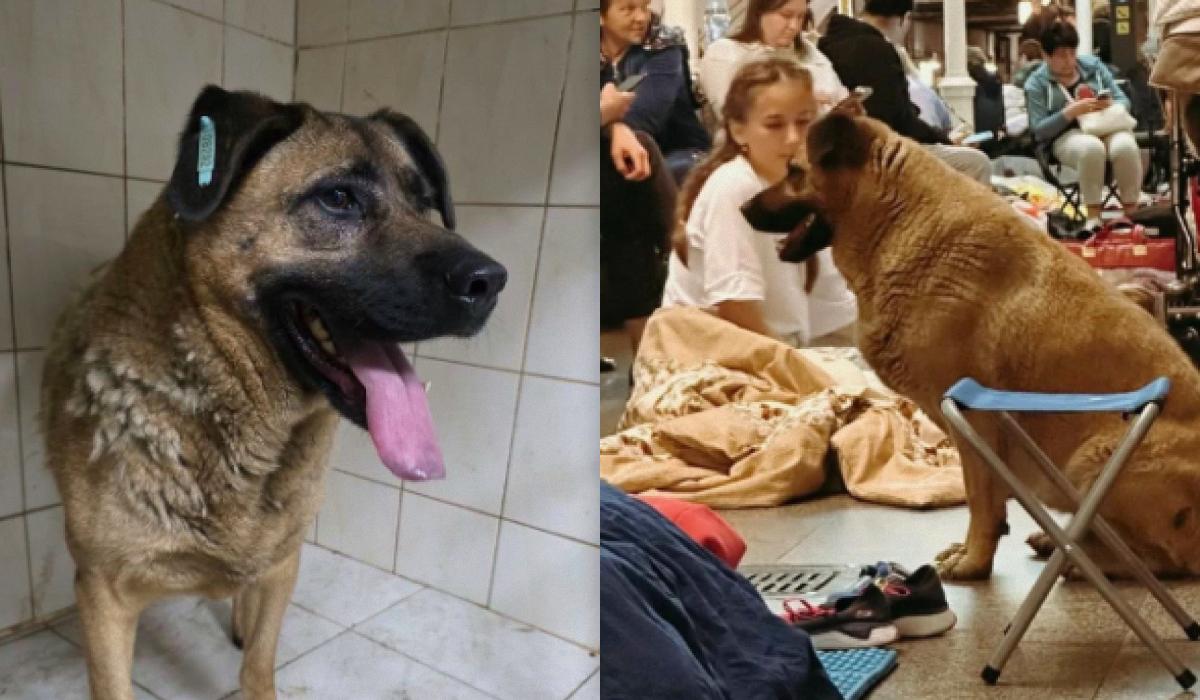
Why rescuers acted: the team reported that although commuters and station staff usually treated Misha kindly, a recent complaint led to him being denied access to the shelter. Concerned that his freedom made him vulnerable to malicious harm, animal welfare workers decided to relocate him for his safety.
“We didn’t plan to take him away from the place where he had lived for years, but when his life was at stake, we had to act,” a rescuer explained, noting that being alive and stressed in a shelter is preferable to remaining at risk outdoors.
Sequence of events
- Misha, a dog recognized by locals near Teremky station, regularly used the metro as a refuge during bombardments.
- A complaint from a passerby prompted station employees to bar the dog from entering the underground shelter during an alarm.
- Volunteers and animal-protection groups intervened, and police assisted in capturing the frightened animal.
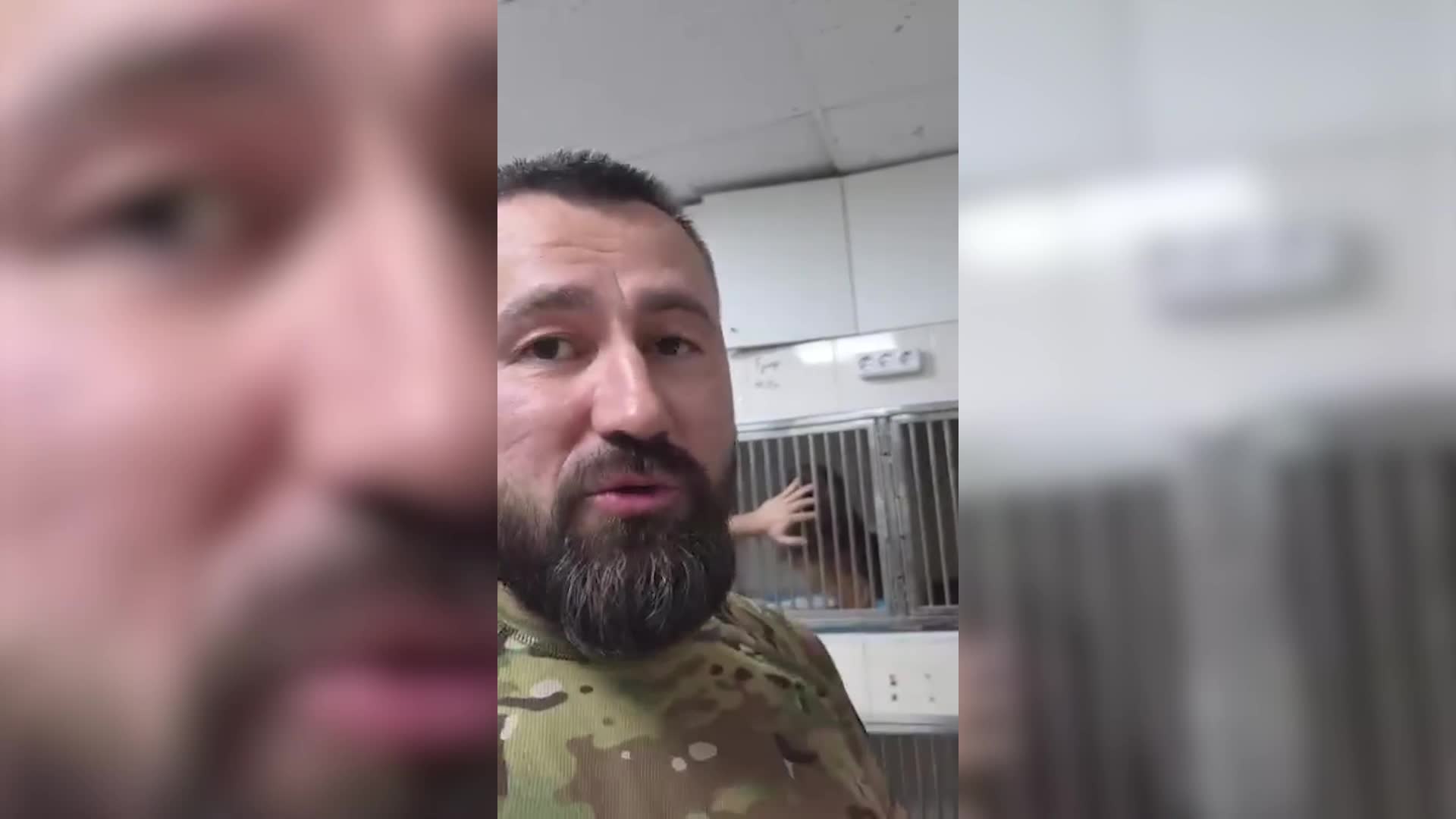
- Misha was transported to a veterinary facility and placed under supervision at a shelter, where he will receive medical checks and care.
Rescuers say he is currently under veterinary observation, receiving treatments and gradual socialization work — including leash training — with the aim of eventually finding him a permanent home once he recovers and learns to live with humans in a domestic setting.
Public reaction: the decision sparked debate online. Some critics argued Misha already had an owner — an elderly woman who sells flowers near the station — and accused volunteers of removing a free-spirited animal from his familiar environment. Others applauded the move, believing the shelter provides a safer situation amid the threats posed by wartime conditions.
One local wrote that forcing a dog used to roaming into a kennel feels like a punishment, while many commenters responded that safety must come first and that Misha will adapt.
Background: how Misha became a local figure
For years the dog was a visible presence around the Teremky station, known to commuters and neighborhood residents who watched him seek cover underground during shelling. Reports indicate that following the episode when he was refused entry, the metro later lifted the restriction, but by then rescuers had already removed him from the streets to ensure his immediate safety.
What happens next:
- Misha will undergo full veterinary screening and any necessary treatments.
- Behavioral work and acclimation to leash walking are planned.
- When stable, the shelter will look for a long-term adoptive family.
Summary and closing thoughts
In short, Misha’s transfer to a shelter was driven by fears for his safety after an incident that left him exposed to danger on the street. Although the move divided public opinion — with some insisting he already had an owner and others calling the rescue the right choice — animal welfare teams emphasize that their priority was to prevent immediate harm. He is now in professional care, being medically evaluated and rehabilitated with the goal of finding a stable, safe home.
Key takeaways:
- Misha is safe under veterinary and shelter supervision.
- Volunteers acted because they assessed a real threat to the dog’s life.
- After treatment and training, Misha will be prepared for adoption.
Conclusion: The controversy surrounding Misha highlights the tensions that can arise when community animals straddle public and private care in wartime settings. For now, rescuers are focused on rehabilitation and protection, hoping the dog will recover and eventually join a new, loving household.